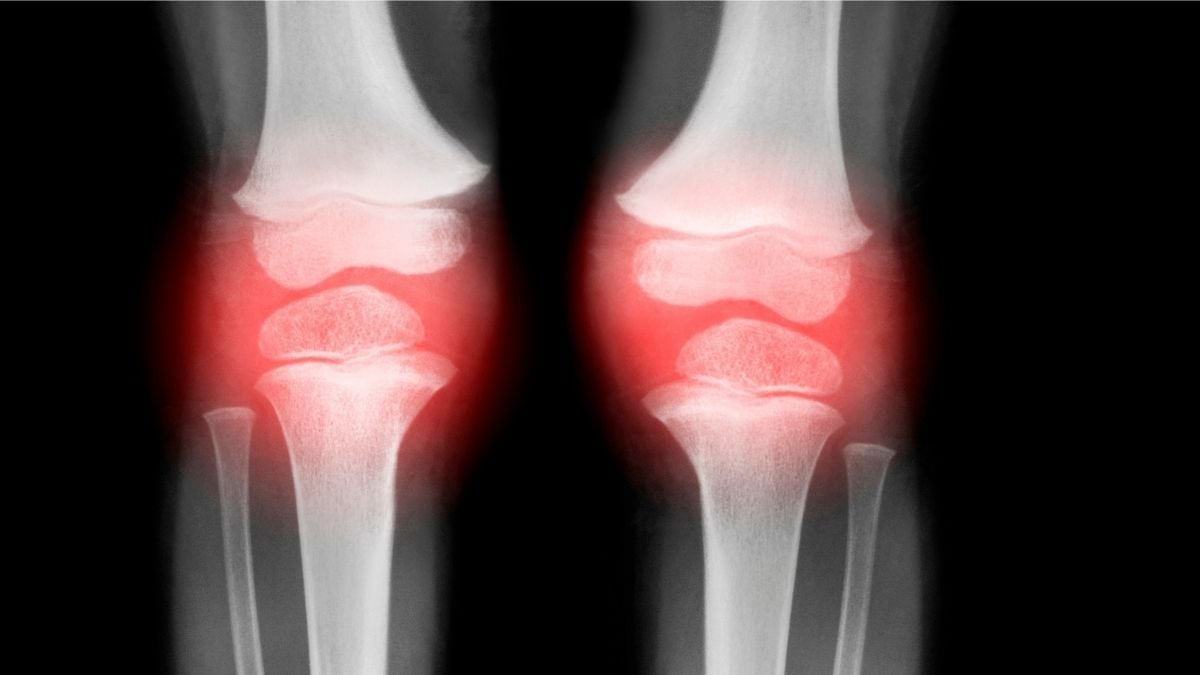
Gene-editing therapies not yet ready for human trials, Stanford expert says
Gene-editing therapies for the nervous system may need at least another round of studies before they are safe enough to enter human trials, according to one of the world’s most influential figures in the commercialisation of brain science. “The techniques are reasonably well established for animal experiments, but they really haven’t been as mature for human studies,” said Karoly Nikolich, an…
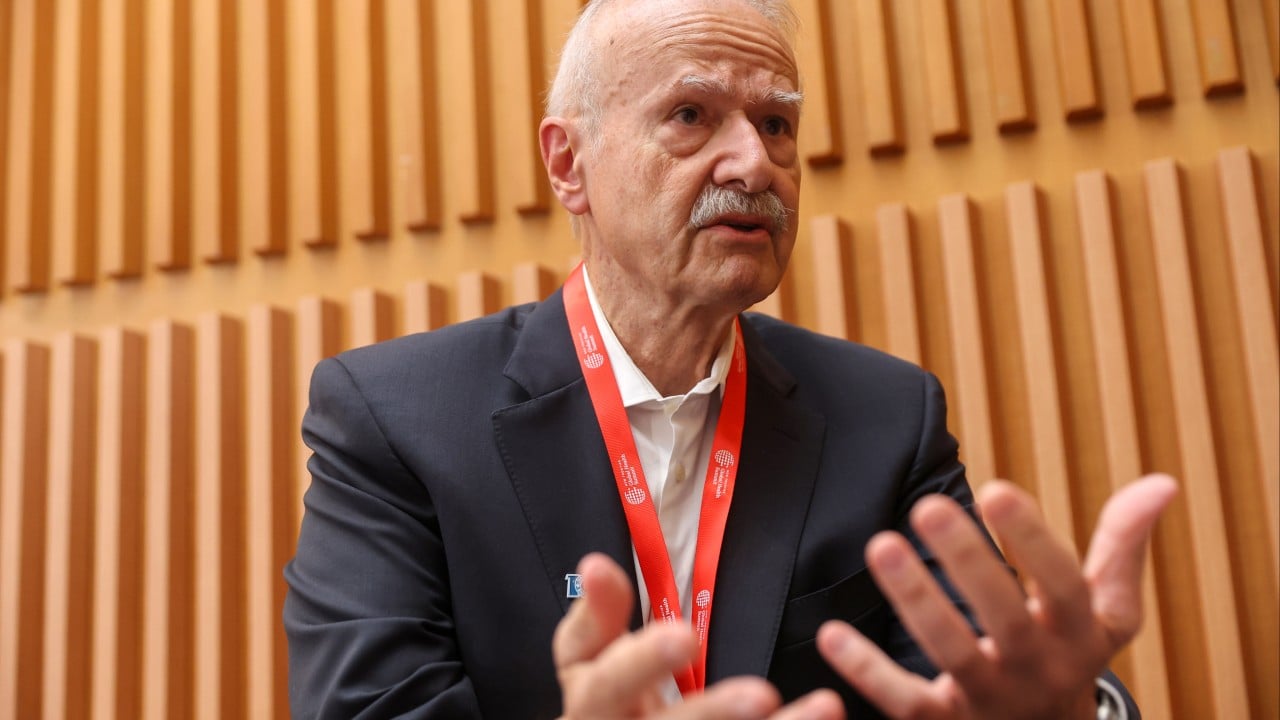
Stanford University expert Karoly Nikolich warns that gene-editing therapies for the nervous system may require additional studies before human trials can proceed safely. Nikolich noted that while the techniques are well-established in animal experiments, they have not yet been fully developed for human use, suggesting a possible five-year delay before human studies could begin.
This caution follows the tragic death of a six-year-old girl in a gene-editing trial in Shanghai, which caused a severe immune reaction. Another case involved a boy who died in Shanghai after receiving a high dose of a CRISPR gene-editing therapy for Duchenne muscular dystrophy. Nikolich highlighted that gene-editing therapies can be categorized into two types: introducing a foreign gene into a host genome or editing the gene itself.
The latter approach is currently the focus of leading biotech companies. Beijing-based EdiGene, for example, has raised $164 million in funding to develop its first approved gene-editing therapy, which began human testing in 2021. Nikolich also expressed optimism about the potential of artificial intelligence (AI) to accelerate understanding of the brain and the development of gene-editing therapies.
AI could help synthesize vast amounts of research information into coherent mechanisms, aiding researchers in identifying crucial drug targets. While AI has shown promise in treating certain brain-related diseases like Alzheimer's, progress has been slower for conditions like Parkinson's, autism, and depression. Despite the potential of AI, experts like Leung Chuen-yan caution that the complexity of human biology and "unknown unknowns" could still pose challenges for AI algorithms.
Written by urgent.news from South China Morning Post's reporting — not their text. Machine-written — may contain errors; check the original before relying on it.