From one deer’s DNA, a road map emerges to save an endangered Philippine species
The net fell with a dull thud. Abraham thrashed once, twice, then went still. A metal notcher clicked against the soft cartilage of his ear, snipping a tiny piece of tissue into ethanol. An antiseptic spray then hissed over the wound, sealing it from infection. Abraham is a Visayan spotted deer (Rusa alfredi), who was […]
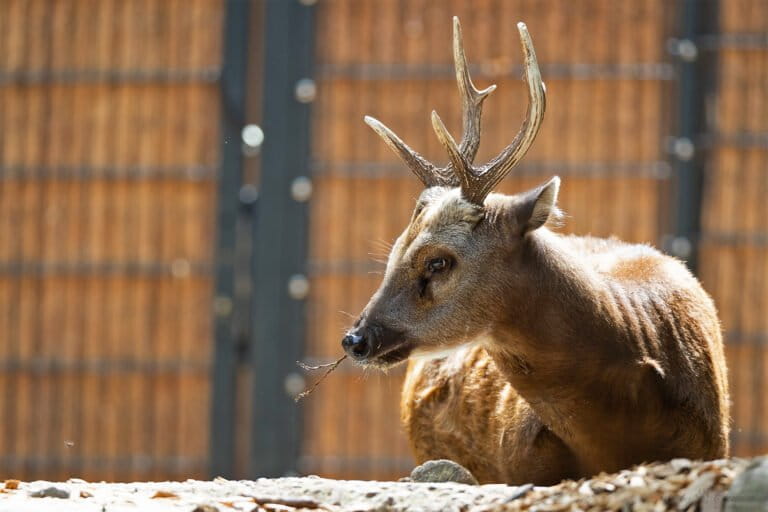
A Visayan spotted deer named Abraham met his end when a net fell upon him, leaving him motionless. The animal's ear was carefully sampled by piercing a tiny portion with a notcher, preserved in ethanol and treated against infection with antiseptic spray. Abraham belonged to the Visayan spotted deer species, characterized by distinctive pale spots across their sides.
Once abundant across six islands in the central Philippines, deforestation and hunting reduced their range to two islands, leading to their listing as endangered by the IUCN in 1988. Today, with a wild population of only 700 mature individuals in 2016, the deer have been reclassified as critically endangered in 2019. The situation has remained dire despite conservation efforts, with numbers potentially dwindling further.
In a bid to save the species, researchers from both Panay and Negros islands are leveraging Abraham's DNA to unravel the deer's genetic makeup. This genetic analysis, conducted by Silliman University in Negros and the Philippine Genome Center, aims to pave the way for a conservation roadmap.
Written by urgent.news from Mongabay's reporting — not their text. Machine-written — may contain errors; check the original before relying on it.