Fidelity Bank calls for harmonised customs systems to boost regional trade
Fidelity Bank Ghana has called for harmonised customs systems across West Africa to facilitate cross-border trade and reduce business costs. The post Fidelity Bank calls for harmonised customs systems to boost regional trade appeared first on Ghana Business News .
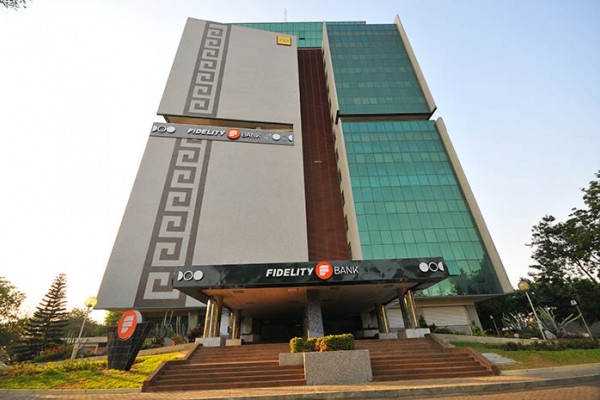
Fidelity Bank Ghana has advocated for unified customs procedures throughout West Africa to promote cross-border commerce and diminish operational expenses. Director of Banking Operations, Aaron Ameyaw, voiced this demand during the Breaking Barriers to Trade Conference in Accra, stressing that varying customs protocols and insufficient data were inhibiting trade expansion and disadvantaging certain businesses.
Specifically, he emphasized the challenges faced by women traders importing goods from neighboring countries like Togo and Nigeria, who are burdened by complex administrative tasks, which heighten their operational costs and impede commercial activities.
Ameyaw underscored the necessity for cooperation among governments, regulatory bodies, and private sector entities to establish harmonized customs frameworks to facilitate smooth regional trade. He highlighted the ongoing dilemma of harmonizing customs regimes, which demands immediate attention to enable businesses to fully capitalize on regional commerce.
Furthermore, he noted the burgeoning role of artificial intelligence (AI) in trade, which can potentially enhance business operations, provided there is access to precise and dependable data. He acknowledged the introduction of the Publican AI System in early 2026, which has already generated more than $300 million in revenue for Ghana, showcasing the potential of technology to streamline trade facilitation and enhance revenue collection.
Ameyaw also expressed support for the Publican AI System, stating that its implementation has significantly benefited Ghana's customs management system at ports. He emphasized that while AI offers numerous advantages, it is imperative to establish a solid foundation to fully leverage its potential. He added that Fidelity Bank has embraced robotic process automation in its reconciliation processes, thereby augmenting efficiency and enabling staff to concentrate on more strategic tasks.
The conference also addressed inclusive enterprise development, particularly concerning women-owned businesses. Director of SME Banking at Fidelity Bank, Alex Agyei-Amponsah, pointed out that women entrepreneurs represent between 38 and 46 percent of businesses in the region but continue to encounter structural barriers to growth.
He explained that many women entrepreneurs must balance business expansion with family responsibilities, despite their aspirations to expand their enterprises. Agyei-Amponsah explained that Fidelity Bank's Young Entrepreneurs Fund supports women and youth entrepreneurs through financing, business incubation, and capacity-building programs.
The program focuses on entrepreneurs aged 18 to 40, with women eligible up to age 45, assisting beneficiaries in developing market-ready businesses and navigating regulatory and compliance requirements to access both local and international markets.
Agyei-Amponsah highlighted group lending as another initiative that empowers entrepreneurs to seize business opportunities that might otherwise be unattainable. He cited an instance where a member of the Federation of Associations of Ghana Exporters successfully participated in a yam export contract to Canada via group financing, thereby gaining export experience and strengthening their capacity for future endeavors.
These interventions are part of Fidelity Bank's commitment to advancing inclusive economic growth and broadening access to trade opportunities.
Written by urgent.news from Ghana Business News's reporting — not their text. Machine-written — may contain errors; check the original before relying on it.
This story
This is one outlet's version. Read the fullest account.