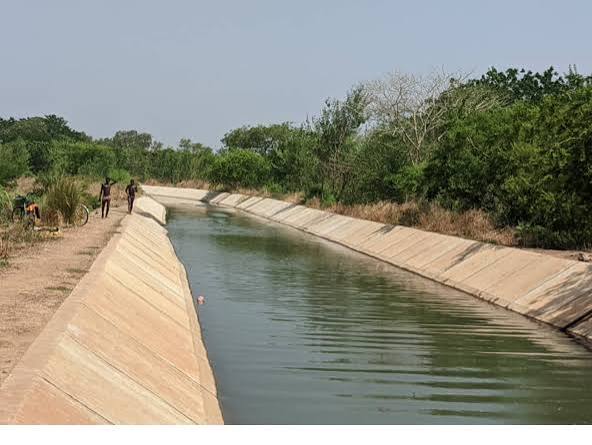
Counting the cost of Europe’s summer of fire, drought and lost harvests
Europe’s searing heatwaves are not only punishing people’s bodies, but are also having a severe impact on livelihoods, from farm yields to tourism, industrial output and mental health. In a continent unaccustomed to soaring temperatures experienced in the Gulf, temperatures exceeding 38°C are doing more than making life uncomfortable. They are exposing the economic and social vulnerability of…
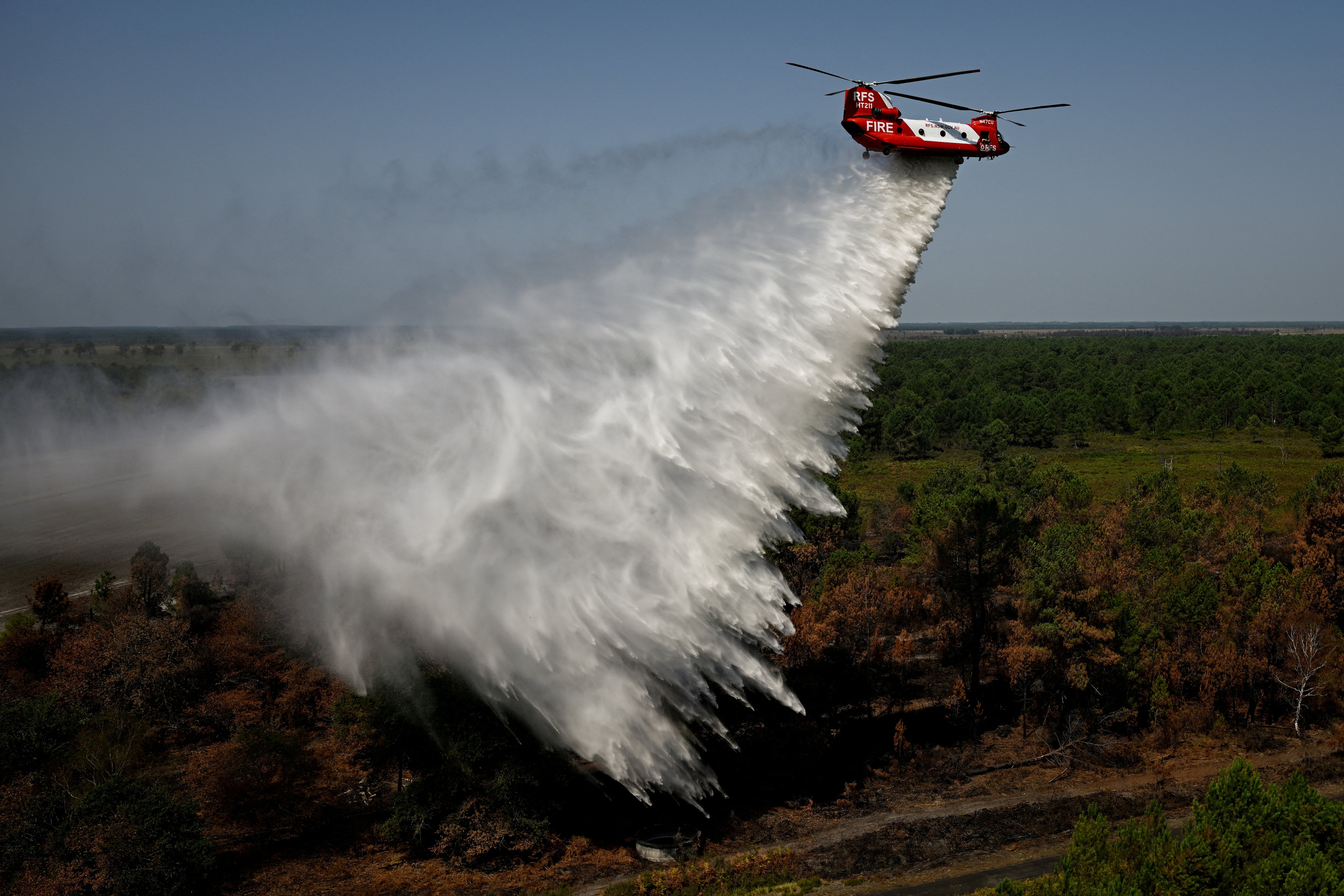
Europe is grappling with the devastating impact of scorching heatwaves, droughts, and plummeting harvests during the summer of 2026. The relentless temperatures, exceeding 38°C, are not only causing discomfort but are also wreaking havoc on the continent's infrastructure and livelihoods. Crops are failing, livestock farmers are using winter feed in July, and workers are experiencing reduced productivity.
Tourism is also feeling the heat as record-breaking temperatures alter visitor patterns. The Dutch Triodos Bank estimates that heat-related disruptions could shave off 1% of the EU's GDP, amounting to a staggering €180 billion, primarily due to diminished labor productivity. Agricultural output may plummet by up to 7%. Beyond the farm gates, heatwaves are causing roads, railways, and rivers to suffer.
In Germany, the Rhine is so depleted that large barges carrying essential goods cannot navigate. In Britain, economic activity is already being dampened by the heat. Verdant, an environmental think tank, estimates that the five heatwaves this summer have cost at least £4.4 billion in lost output, and for every degree Celsius above 30°C, European economies suffer a 3% decline in output per hour.
The UK, lacking adequate infrastructure such as home air conditioning, is particularly vulnerable, with people struggling to work effectively in extreme heat, especially in cities where heat is trapped. Farmers on the frontlines are witnessing the crisis up close. Stephen Eales, a Sussex farmer, reports a 23% drop in wheat yield and an astonishing 61% decline in oats after receiving only 11% of normal rainfall since March.
Rising fertilizer costs, a 15% increase, and diesel prices surging by 86% are adding to his financial strain, totaling £47,000 extra this year. With a looming government carbon tax in January, his expenses will climb by another £17,000. The initial heatwave struck while wheat was filling its grains, effectively halting their growth.
Written by urgent.news from The National Business's reporting — not their text. Machine-written — may contain errors; check the original before relying on it.
Also reported by 2 other outlets
- Counting the cost of Europe’s summer of fire, drought and lost harvests thenationalnews.com
- Europe swelters under fifth heatwave of summer france24.com