Congo Ebola outbreak on track to become deadliest in history
The Ebola outbreak in the Democratic Republic of Congo continues to worsen, with the number of confirmed cases climbing to over 4,600. At least 2,100 people have died, a death toll that was reached almost three times faster than the outbreak over a decade ago. William Brangham discussed the crisis with epidemiologist Dr. Anne Rimoin, director of the Center for Global Health Security at UCLA.
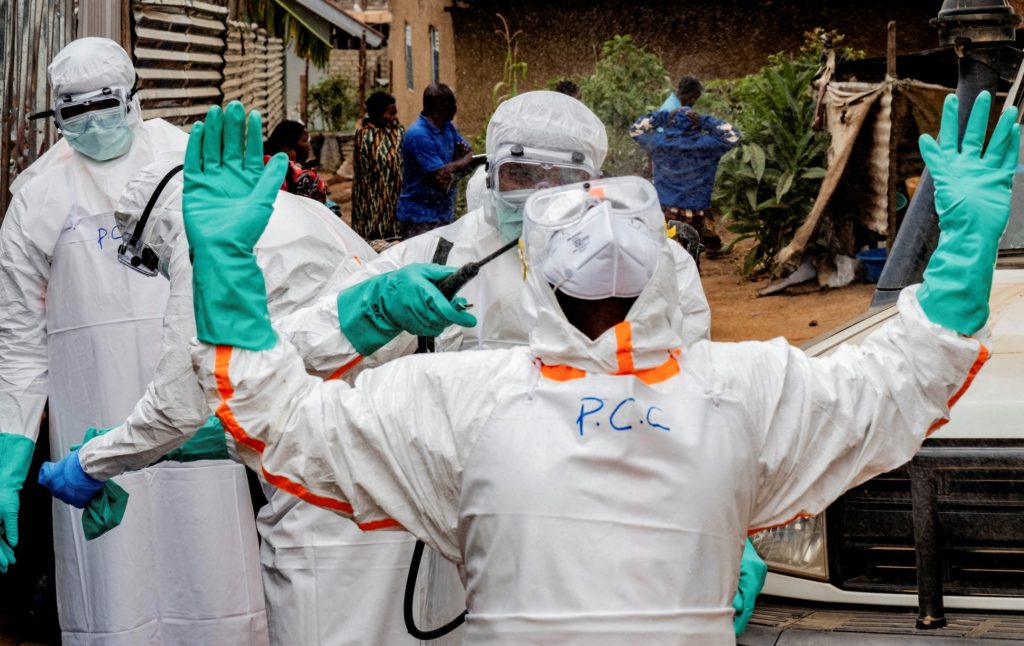
The Ebola outbreak in the Democratic Republic of Congo (DRC) is on track to become the deadliest in history, with the number of confirmed cases reaching over 4,600 and at least 2,100 deaths. This death toll was reached almost three times faster than the outbreak over a decade ago in West Africa. William Brangham spoke with epidemiologist Dr. Anne Rimoin, director of the Center for Global Health Security at UCLA, about the current crisis.
Dr. Rimoin noted that the Ebola outbreak in the DRC is the fastest growing yet, reminiscent of the outbreak that killed over 11,000 people more than a decade ago. She explained that the outbreak is being driven by the rare Bundibugyo strain, which has a fatality rate of anywhere from a quarter to half of those infected. There are currently no approved vaccines or therapeutics for this particular strain.
The fragmented medical system in the DRC, lacking sufficient personnel and protective gear, is further complicating the situation. Additionally, fear and misinformation are rampant. Frontline health workers, who are already underpaid and facing job losses, are risking their lives to provide care. The United Nations emphasizes that ongoing violence related to Congo's lucrative mineral resources between Rwandan-backed groups and the Congolese military hinders access to medical care for those in need.
Dr. Rimoin stressed that the biggest challenges to containing this outbreak include insufficient support for healthcare workers, inadequate diagnostic tests for the Bundibugyo strain, and the need to rapidly increase testing capacity. She highlighted that the health care workers are essential to the response, and their lack of support jeopardizes the entire effort.
Written by urgent.news from PBS NewsHour Science's reporting — not their text. Machine-written — may contain errors; check the original before relying on it.
Also reported by 9 other outlets
- Ebola outbreak in Democratic Republic of Congo becomes deadliest in country's history brecorder.com
- Congo Ebola outbreak on track to become deadliest in history pbs.org
- World : Dr Congo Ebola Outbreak Deadliest In History As Death Toll Rises To 2,300 bernama.com
- Ebola outbreak in Democratic Republic of Congo becomes deadliest in country’s history dailymaverick.co.za
- Ebola outbreak becomes Congo’s deadliest as UN warns virus is ‘winning’ moneyweb.co.za
- Congo Ebola outbreak becomes deadliest in country's history as death toll reaches new peak jpost.com
- Ebola outbreak in DR Congo now deadliest in country's history news.sky.com
- Ebola outbreak in Congo becomes deadliest in country’s history japantimes.co.jp
- and 1 more