Hopes 'mini guts' will help researchers treat inflammatory bowel disease
Melbourne researchers create 3D models to study treatments for Crohn's and ulcerative colitis.
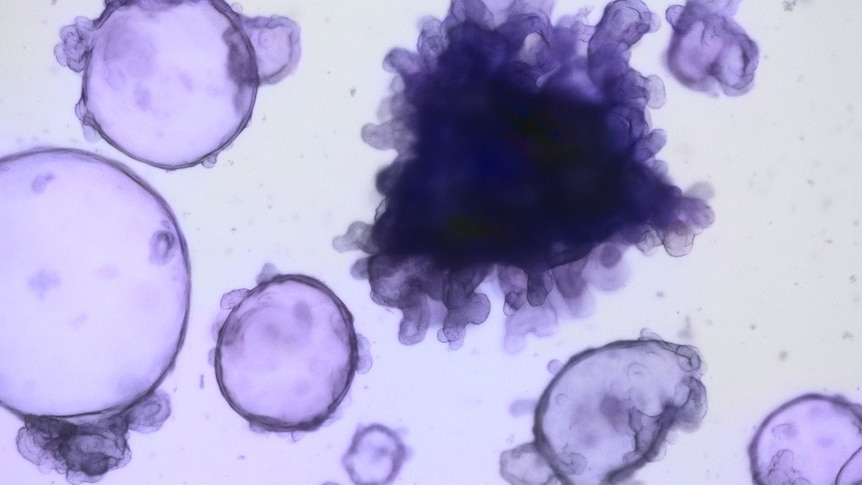
Researchers at Monash University are making progress in understanding inflammatory bowel disease (IBD). IBD encompasses conditions like Crohn's disease and ulcerative colitis, which cause inflammation in the gastrointestinal tract. For the first time, scientists have created tiny 3D models, or "mini guts," of pediatric IBD patients' intestinal linings and the bacteria that live there.
Using these models, researchers can study the disease in living tissue without needing to go to the patient, and they can also test new therapies. Ronan Somers, a 12-year-old with ulcerative colitis, has faced many challenges, missing up to one in five days of school due to illness. His mother, Jasmin Alarcon, said it took 904 days to find a treatment that worked for him.
The mini guts are a game-changing tool for researchers, as they can study the interaction between bacteria and the lining of the bowel to understand what drives inflammation and find new treatment targets. The goal is to create a "living bio bank" of organoids from various patients to find the best treatment for each individual.
IBD affects about 180,000 Australians and is on the rise, with no cure but manageable with medication.
Written by urgent.news from ABC News AU's reporting — not their text. Machine-written — may contain errors; check the original before relying on it.