Climate groups say federal work on climate adaption is not enough
Three years after the federal government formally launched its national climate adaptation strategy, the Canadian Climate Institute suggests there is little sign any of progress.
Three years after launching its national climate adaptation strategy, the federal government claims Canadians are more aware of the risks and more resilient to flooding, wildfires and major storms caused by climate change. However, an analysis by the Canadian Climate Institute suggests that the strategy has little effect on reducing the risks Canadians face.
The strategy, finalized in 2023, aimed to prepare communities for extreme weather events and a warming climate, estimating that every dollar spent on proactive adaptation measures could save taxpayers between $13 and $15 in the long term. The progress report highlights the government's achievements, such as having 92 per cent of Canadians aware of risks facing their household and 30 per cent of Canadians taking steps to respond to those risks.
However, Ryan Ness, director of adaptation for the Canadian Climate Institute, argues that the report "paints an overly optimistic picture of success." Ness claims that while the strategy addresses a wide range of adaptation measures, it lacks priority actions and does not demonstrate whether communities are becoming more resilient.
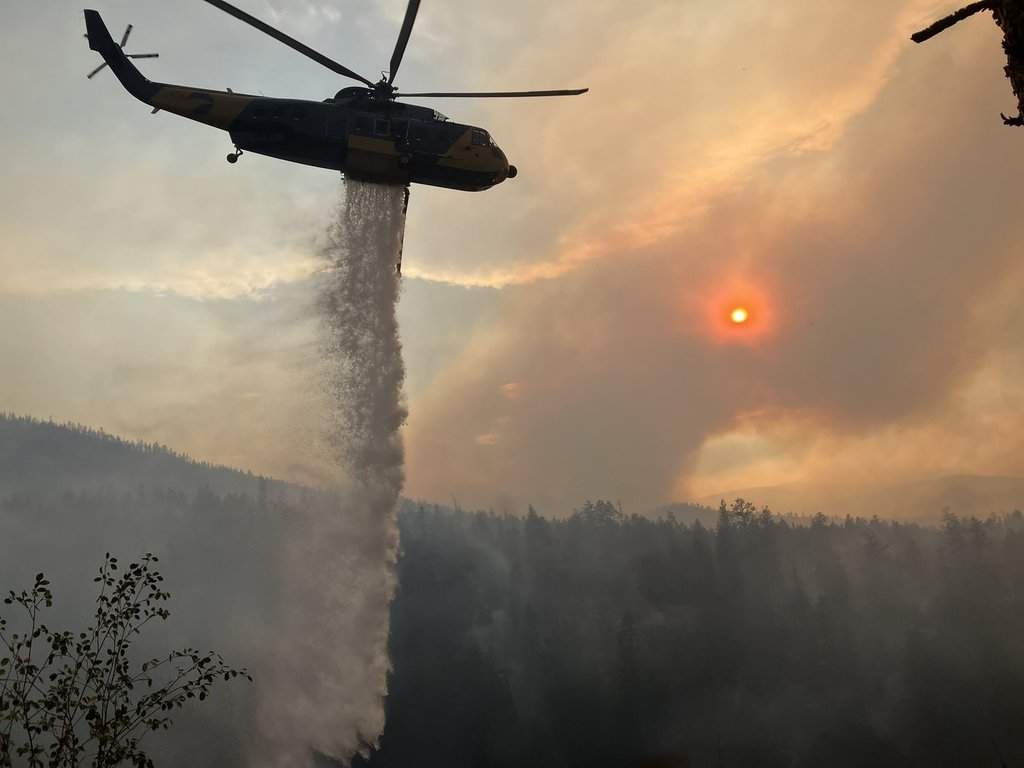
For instance, Canada has experienced its two worst wildfire seasons on record since the strategy's release, with more than 170,000 square kilometres burning in 2023 and about 83,000 square kilometres in 2025. Ness points out that while the strategy addresses various adaptation measures, it does not identify priority actions or map out ways to make communities more resilient.
He cites anecdotal evidence, such as programs and initiatives, but lacks data showing a reduction in major risks like wildfires, flooding, and extreme heat waves. For example, the number of wildfires has increased, with over four million hectares burned this year, making it the fourth-worst wildfire season on record. Furthermore, the strategy has not effectively reduced the number of homes facing uninsurable flood risks, with 1.5 million Canadian homes at severe flood risk.
Despite the government's claims of success, Ness argues that Canada is falling behind in climate adaptation efforts. He points to government data showing that 94 per cent of people living in high-risk flood areas remain unaware their homes are susceptible to floods. The progress report acknowledges 73 actions taken across 22 departments to address climate adaptation, such as Health Canada's 18 projects to protect Canadians from extreme heat, though it does not specify what these projects entail.
The report also highlights the Two Billion Trees program, but notes that Prime Minister Mark Carney shelved the initiative last year due to budget cuts. Overall, the Climate Institute's analysis suggests that the federal government's climate adaptation strategy has not effectively reduced the risks Canadians face.
Written by urgent.news from Global News's reporting — not their text. Machine-written — may contain errors; check the original before relying on it.