Bhubaneswar-based start-up tests drug manufacturing in space
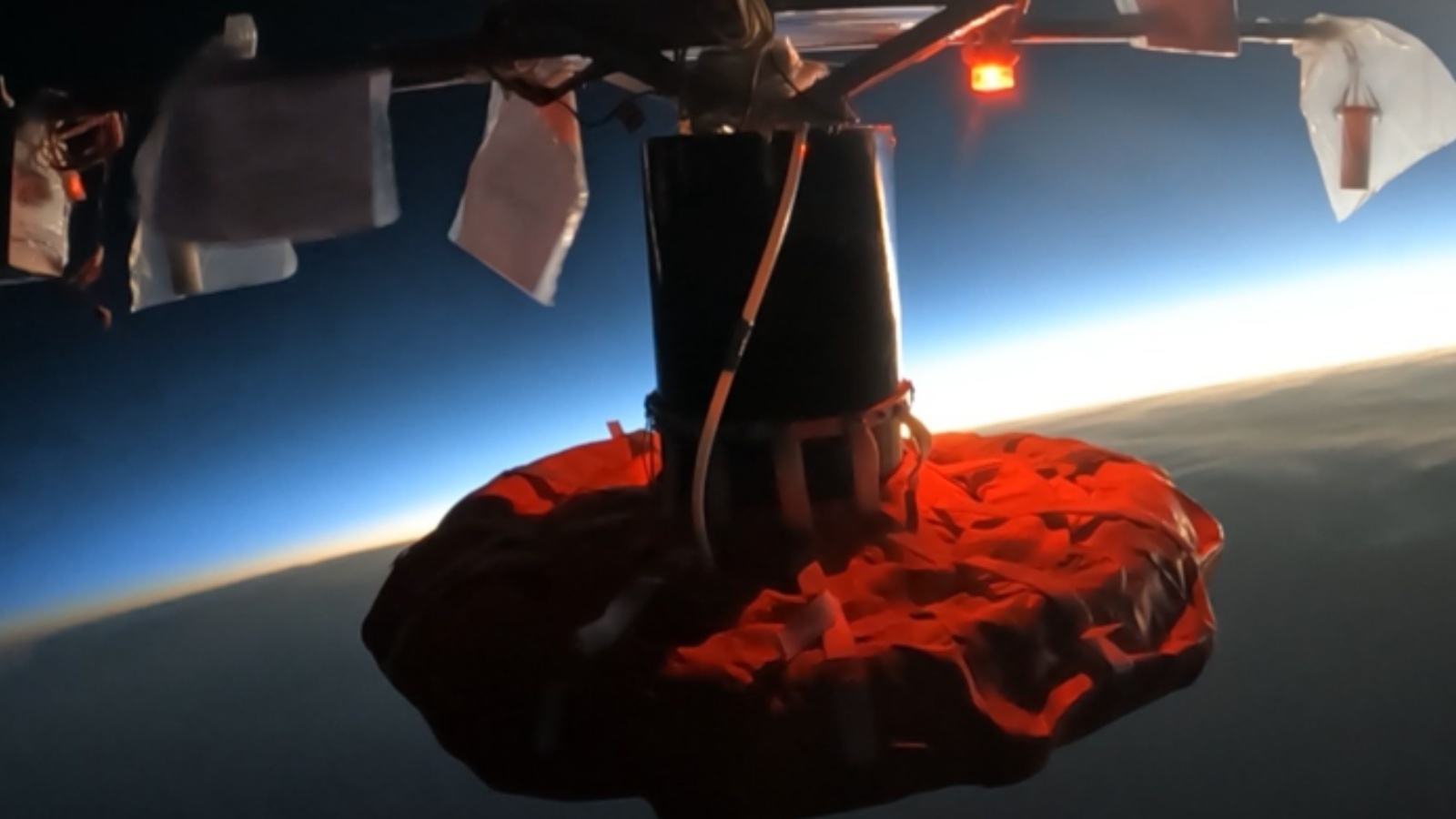
A Bhubaneswar-based start-up, Serendipity Space, has successfully tested a prototype satellite designed to carry out crucial steps in pharmaceutical manufacturing under microgravity conditions in space. The company launched the satellite, equipped with an autonomous pharmaceutical factory called Alchemy, using a high-altitude balloon from the Tata Institute of Fundamental Research facility in Hyderabad.
The satellite operated autonomously, executing the designed processes successfully before making a controlled return to Earth. This achievement marks a significant stride for India's private space industry, as space-based drug manufacturing has been a topic of study for decades. The microgravity environment in space allows for the completion of specific manufacturing steps that are challenging or impossible to perform on Earth due to gravitational effects.
Space-based medicine, a rapidly growing field, benefits from the altered movement of molecules and crystal growth observed in space, potentially leading to novel drug design pathways. Unlike experiments conducted on the International Space Station, where human supervision is required, Serendipity Space's satellite is capable of autonomous operation.
The company plans to deploy the satellite in Low Earth Orbits (LEO), approximately 400-500 km above Earth, where it will remain for weeks or months, equipped with re-entry systems for safe landing either in water or on land. Antariksh Parichha, co-founder of Serendipity Space, expressed optimism about the future of space-based drug manufacturing.
Written by urgent.news from The Indian Express - India's reporting — not their text. Machine-written — may contain errors; check the original before relying on it.
This story
This is one outlet's version. Read the fullest account.
- Bhubaneswar-based start-up tests drug manufacturing in space indianexpress.com