Dutch scholar completes landmark translation of Samguk Yusa
A few decades ago, Korean studies was often treated as an afterthought and viewed as a sub-discipline to Chinese and Japanese studies. Today, a landmark complete English translation of one of Korea’s most important medieval texts is proving how dynamic and indispensable Korean history is to the global literary landscape. At the heart of this milestone is Remco Breuker, a professor of Korean…
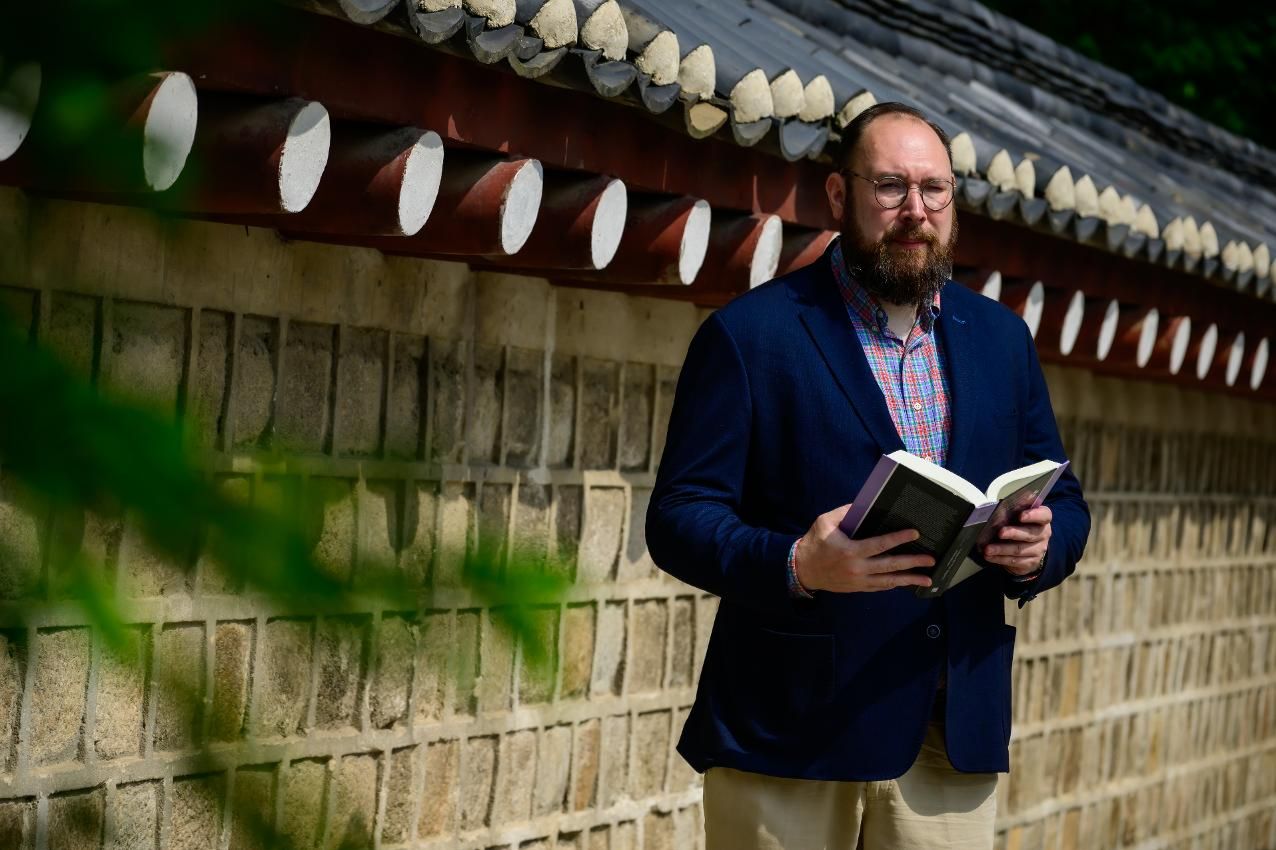
A groundbreaking English translation of the 13th-century Korean text Samguk Yusa has been completed by Dutch scholar Remco Breuker, marking a significant milestone in the study of Korean history. This monumental work, published by the University of Hawaii Press, is aptly titled Vestiges of the Three Kingdoms of Ancient Korea and consists of 570 annotated pages.
Breuker, a professor of Korean Studies at Leiden University in the Netherlands, spearheaded the translation effort alongside two other scholars. Among them was his own teacher, highlighting the collaborative nature of this scholarly endeavor. The Samguk Yusa, originally compiled by the Buddhist monk Iryeon during the late Goryeo period, is a collection of folklore, legends, and historical accounts of the Three Kingdoms period and earlier.
The translation's release comes at a time when Korean studies have gained prominence and recognition within the academic community. Once considered a secondary discipline compared to Chinese and Japanese studies, Korean history has now emerged as a dynamic and indispensable component of the global literary landscape. Breuker's meticulous work ensures that the unique narratives and cultural heritage encapsulated in the Samguk Yusa are now accessible to a wider audience, contributing to a deeper understanding and appreciation of Korea's rich past.
Written by urgent.news from The Korea Times's reporting — not their text. Machine-written — may contain errors; check the original before relying on it.
Also reported by 1 other outlet
- Dutch scholar completes landmark translation of Samguk Yusa koreatimes.co.kr