Attack on Sukhbir Badal exposes Akali Dal’s vulnerability to radical fringe
Radical elements want to occupy space in Punjab’s politics, and if the moderate leadership weakens, they gain more room to do so
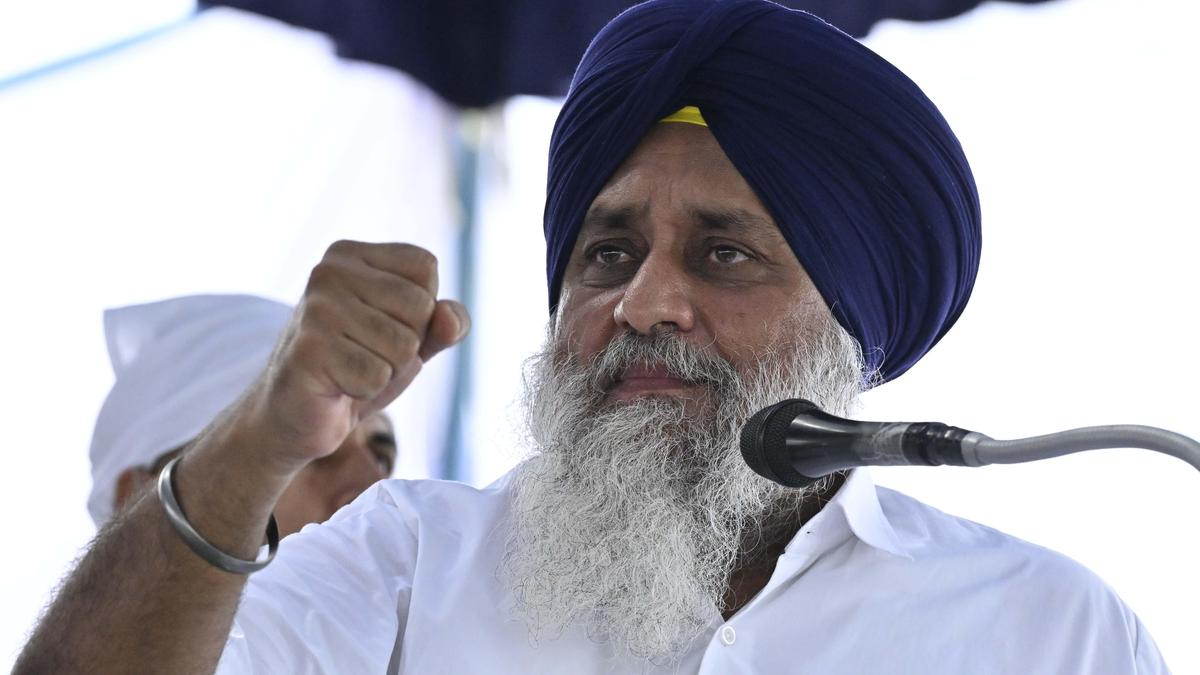
On August 13, former Deputy Chief Minister and Akali Dal president Sukhbir Singh Badal was stabbed with a dagger in Maharashtra’s Nanded. This was not the first attack on him; in December 2024, a former militant and pro-Khalistan sympathizer tried to assassinate him outside the Golden Temple in Amritsar. The motive behind the latest attack remains unknown, but it suggests that the moderates within the Akali Dal could be under constant threat from radical fringe groups attempting to gain influence in Punjab’s religious constituencies.
The Akali Dal has historically promoted harmony and peace in the state, which suffered from militancy during the 1980s and 1990s due to the Khalistan movement. However, radical elements have been steadily building support, as seen in the victories of pro-Khalistan candidates Amritpal Singh and Sarabjeet Singh in the 2024 Lok Sabha elections.
These radicals aim to occupy space within Punjab’s politics, capitalizing on the weakening of the moderates, led by Sukhbir Badal. Notable hardliners like Simranjit Singh Mann have also stirred up Punjab’s electoral politics. Despite the Badal-led SAD’s electoral losses in recent years, indicating a loss of traditional support, the majority of Punjabis are unlikely to support radicals due to the region’s history of militancy.
Yet, some abroad and elsewhere in India still harbor interest in keeping the long-dead Khalistan movement alive.
Written by urgent.news from The Hindu's reporting — not their text. Machine-written — may contain errors; check the original before relying on it.