Job market: Solving "hiring brakes": Employers push for easing of temporary jobs
Around two million employees have a temporary employment contract. The coalition wants to double the possible total duration to four years. Labor market experts welcome this - with some reservations.
Berlin. Around 2.2 million people in Germany had a fixed-term employment contract in 2025 - that was six percent of all gainfully employed people aged 15 to 64 who were not in training, studies or voluntary service, reports the Federal Statistical Office. This means that the proportion has decreased slightly: in 2015 it was still seven percent.
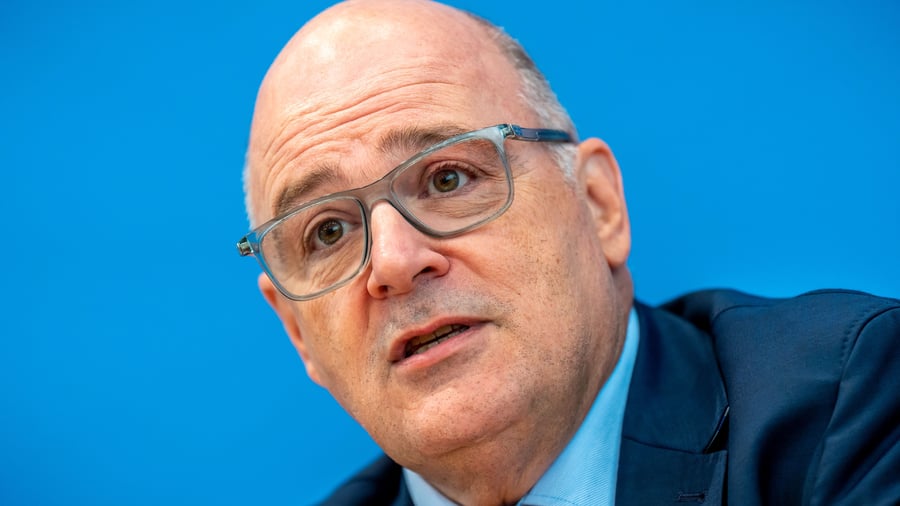
The employers are calling for more speed in the easing of temporary contracts promised by the coalition in view of the decline: "The hiring brakes must now be released quickly," said Steffen Kampeter, Managing Director of the Confederation of German Employers' Associations (BDA). At the beginning of July, the coalition decided under pressure from the Union to double the permissible total duration of temporary employment relationships without a specific reason - i.e. without a concrete reason for the temporary contract - to 48 months in order to create more flexibility and dynamism in the sluggish labor market.
Temporary contracts can also be extended up to six times. However, the regulation is only to apply until the end of 2030 with an expiry clause.
The new figures showed that temporary contracts were not a mass phenomenon, but an important instrument for getting people, especially those just starting their careers, into work and making it easier for companies to hire, the employers argue.
Translated by urgent.news. Machine-written — may contain errors; check the original before relying on it.