Afghanistan: 5 Years in the Dark
How the Taliban turned Afghanistan into a country where half the population has been ordered to disappear.
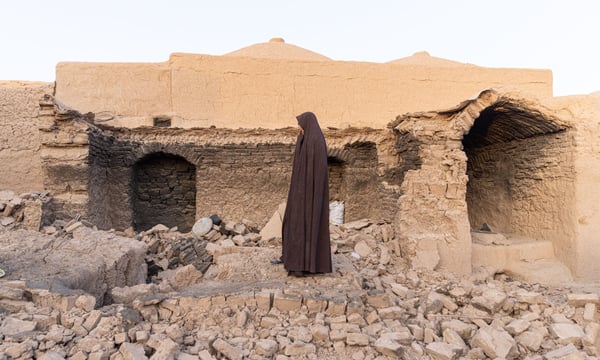
Five years have passed since the Taliban seized control of Afghanistan, leaving millions of women and girls effectively barred from participating in public life. Fatima, a woman in her mid-20s, now feels confined to her home, mourning the loss of her dream to become a doctor. The strict gender apartheid imposed by the Taliban has erased women from schools, universities, work, public spaces, and even media.
In March 2022, secondary schools barred girls beyond the sixth grade, while women were expelled from universities in December 2022. Medical and midwifery schools were closed in December 2024. Employment for women was eliminated in January 2025, and restrictions on movement prohibited women from traveling without a male guardian.
The "vice and virtue" law in August 2024 forced women to cover their faces and silenced their voices in public. The courts, constitution, and laws once protecting women have been dismantled, with a recent decree allowing child marriages without a minimum age. The Hazara minority, comprising a fifth of the population, faces persecution based on ethnic, religious, and gender grounds.
Recent evictions, revocation of legal protections, and targeted attacks by Islamic State-Khorasan Province (ISKP) have exacerbated their plight. The once-thriving media landscape has also been decimated, with nearly half of Afghanistan's media organizations closing and most journalists facing restrictions or forced closures.
Written by urgent.news from The Diplomat's reporting — not their text. Machine-written — may contain errors; check the original before relying on it.