Ukraine offered Russia a ceasefire on civilian targets in Black Sea, source says
KYIV: Ukraine has transmitted an offer to Russia, via a third party, for both sides to halt attacks on civilian targets in the Black Sea, a source familiar with the matter told Reuters. Ukraine has yet to receive a response to its offer, the source added. In recent weeks, both sides have said that the other’s attacks on grain shipments and infrastructure in the busy waterway could have a major…
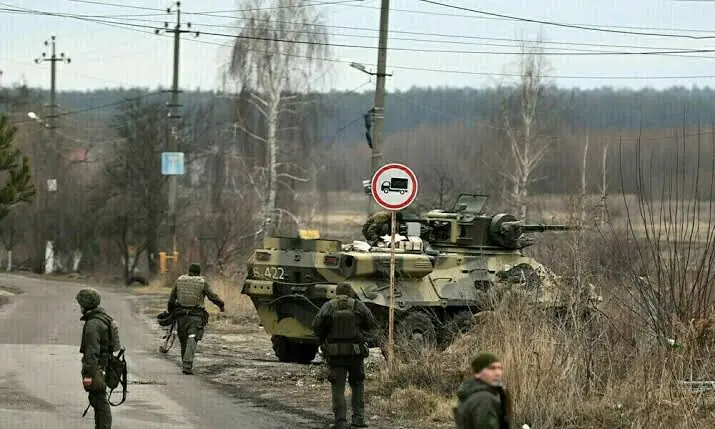
Ukraine has offered Russia a ceasefire on civilian targets in the Black Sea, transmitted via a third party, according to a source familiar with the matter. The offer, which aims to halt attacks on civilian targets, has yet to receive a response from Russia. This development comes as both sides have expressed concerns that attacks on grain shipments and infrastructure in the Black Sea could significantly impact world food prices.
In a separate development, Russia and Ukraine have exchanged the bodies of fallen soldiers. According to Shamsail Saraliev, a Russian State Duma deputy, Russia handed over 261 bodies to Ukraine, while Ukraine handed over 24 bodies to Russia. This exchange was confirmed by Ukraine’s Coordination Headquarters for the Treatment of Prisoners of War.
This is not the first exchange of fallen soldiers between the two countries. The last exchange took place on July 16, when Russia handed over 501 bodies to Ukraine, receiving 31 bodies in return.
Brief written by urgent.news from Business Recorder, Meduza (English) — 2 reports on this story. Machine-written — may contain errors; check the original before relying on it.
This story
This is one outlet's version. Read the fullest account.
- Ukraine's new plan to pressure Russia remains a mystery to Washington kyivindependent.com
- Russia and Ukraine exchange bodies of fallen soldiers meduza.io
- Ukraine offers Russia truce in Black Sea as food supply fears mount, source says channelnewsasia.com
- Russia’s planned vote in occupied Ukraine risks legitimizing land grab, Chalyi warns english.nv.ua
- By sky and sea, Ukraine's drone strikes challenge Russia's grip on Crimea npr.org
- Ukraine asks the EU for €220 million to unlock €4 billion in farm loans as Russia’s port strikes choke exports euromaidanpress.com
- Russia is again using North Korea's Iskander-like missile to strike Ukraine after a long pause businessinsider.com