The death sentence against Bashar Al Assad is a bittersweet pill for Syrians to swallow
On Tuesday, a court in Syria handed down death sentences to former president Bashar Al Assad, his brother Maher Al Assad and security official Atif Najib, along with six other former regime officials, on charges of murder and torture. For many Syrians, it was a landmark moment. The ruling, which was handed down in absentia for the Assad brothers, marks a symbolic acknowledgment of decades of…
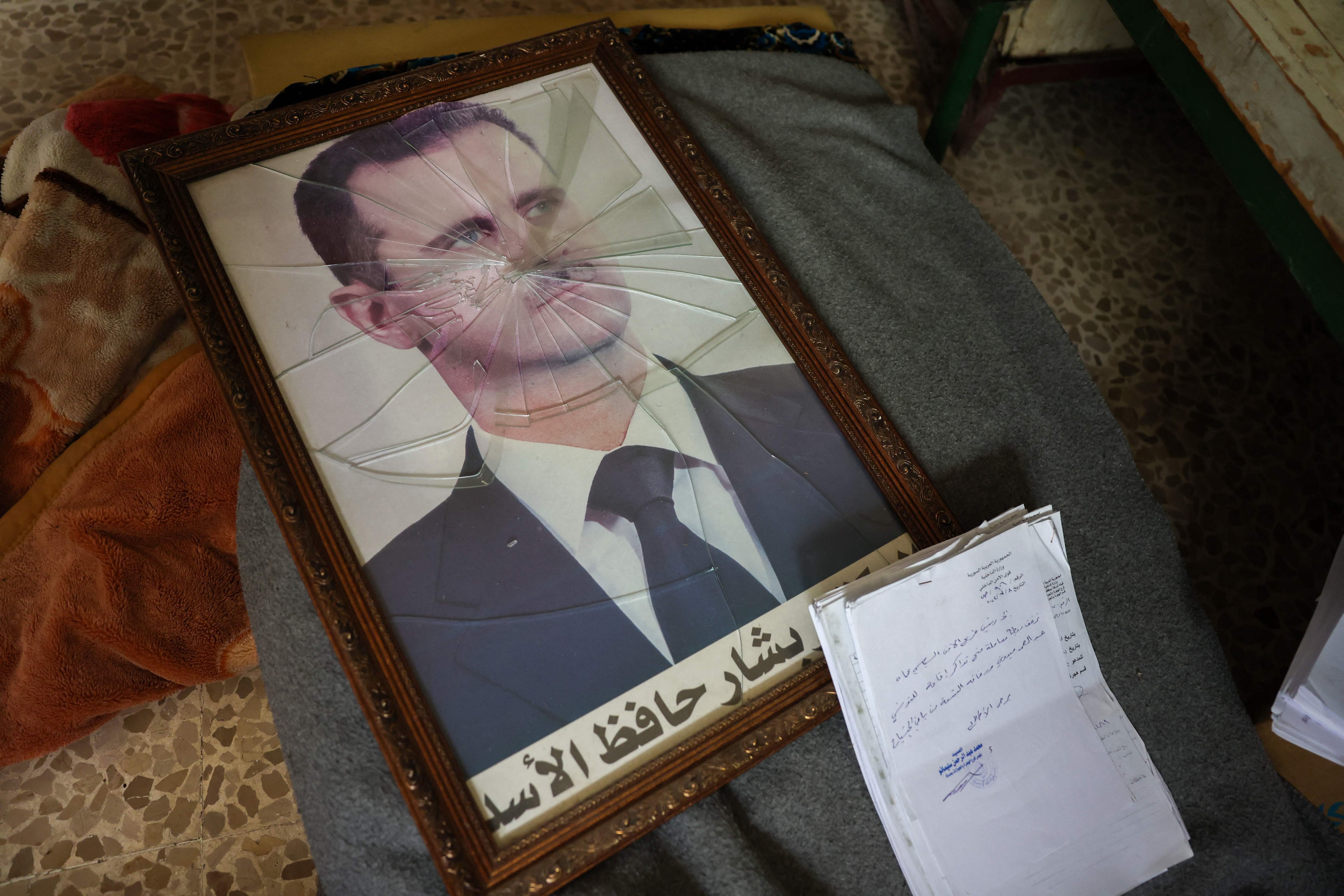
On Tuesday, Syria's court sentenced former President Bashar Al-Assad, his brother Maher Al-Assad, and security official Atif Najib, among six other former regime officials, to death for charges of murder and torture. The ruling, which came in absentia for Assad brothers, marked a symbolic acknowledgment of decades of repression, torture, and mass killing.
While most Syrians welcomed the news, it simultaneously felt heavy and laden with meaning. A quote from American writer Lois McMaster Bujold came to mind: “The dead cannot cry out for justice. It is a duty of the living to do so for them.” This duty to justice weighed heavily in Syria. During a visit to her mother's country, the reporter felt the pursuit of justice was one of the most pressing matters in people's minds.
In a conference titled "The Path to Justice," attendees questioned how quickly justice could be expected. In a nation where millions have suffered over the past 15 years, the duty of justice belonged not only to judges and prosecutors but also to the living relatives and friends of those denied justice for so long. While justice is often viewed as a destination, the verdict's delivery reminded the reporter of its messiness.
Several questions arose: Is this the right form of justice? Who decides what accountability looks like? Is a death sentence fair? And does it matter after hundreds of thousands died, millions displaced, and families spent years searching for missing loved ones? Can it ever be enough? The reporter and a colleague contemplated shouting a "zalghouta," a traditional ululation used to celebrate joyous occasions.
Instead, they pondered the lives lost during the ruling's announcement – children, women, and men who never lived to see it. They thought about tortured prisoners in Sednaya, parents unaware of their children's burial sites, and families still waiting to identify remains from mass graves. No court ruling could restore lost lives; no sentence could erase decades of fear.
Thus, justice itself can feel unjust, as its purpose is not to undo the past, which is impossible. Instead, its purpose is to acknowledge it. For many pursuing justice, this can feel unsatisfying. The reporter also reminded themselves that justice serves to establish a public record of crimes and the responsible parties, perhaps being the true duty of justice.
Written by urgent.news from The National Business's reporting — not their text. Machine-written — may contain errors; check the original before relying on it.
This story
This is one outlet's version. Read the fullest account.