The death sentence against Bashar Al Assad is a bittersweet pill for Syrians to swallow
On Tuesday, a court in Syria handed down death sentences to former president Bashar Al Assad, his brother Maher Al Assad and security official Atif Najib, along with six other former regime officials, on charges of murder and torture. For many Syrians, it was a landmark moment. The ruling, which was handed down in absentia for the Assad brothers, marks a symbolic acknowledgment of decades of…
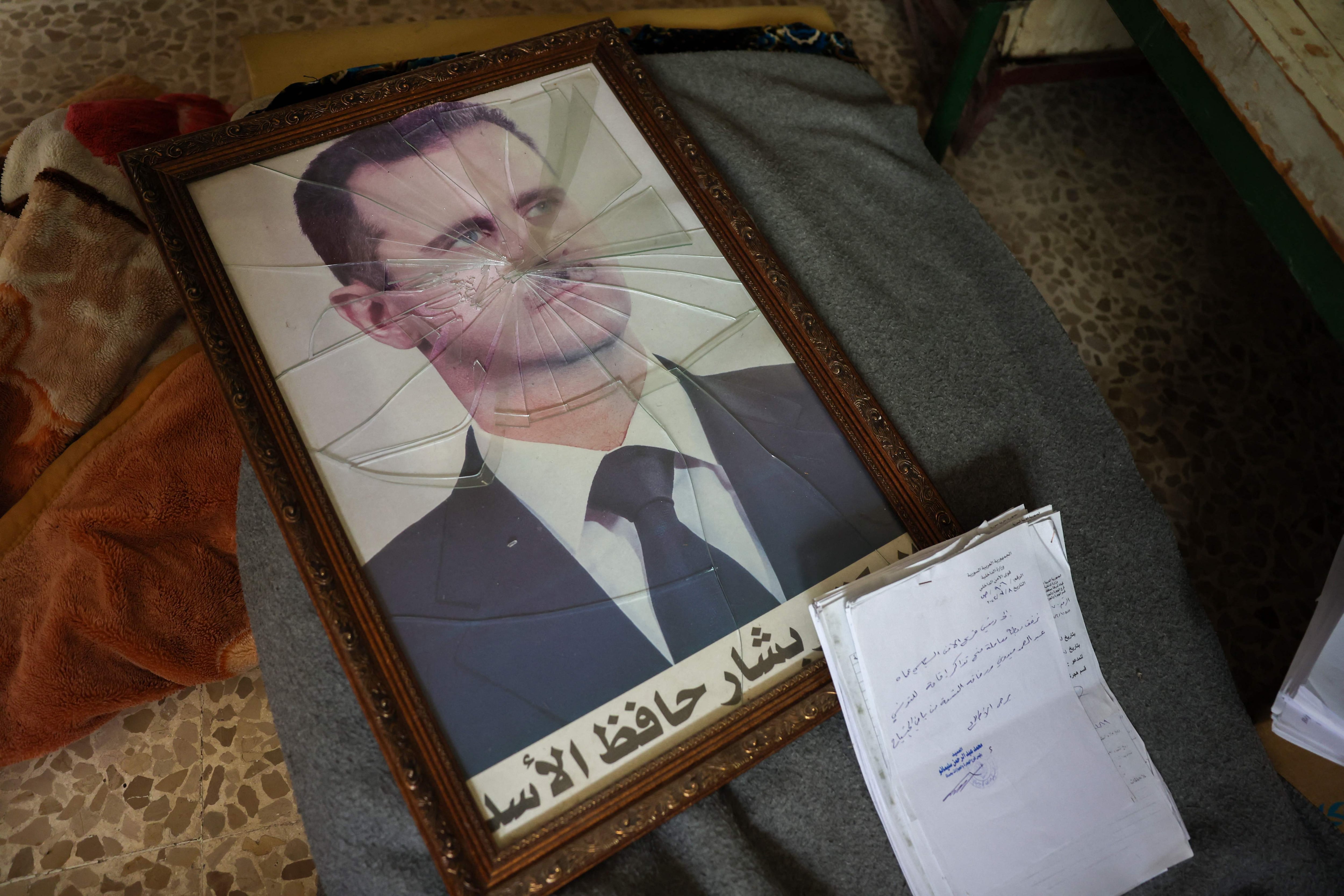
On Tuesday, Syria's court pronounced death sentences on former President Bashar Al Assad, his brother Maher Al Assad, security official Atif Najib, and six others for charges of murder and torture. This ruling, delivered in absentia, signifies a symbolic recognition of the regime's extensive repression, torture, and mass killings. While most Syrians hailed the verdict, it also felt heavy and charged. The phrase "duty" echoed in my mind, echoing the American writer Lois McMaster Bujold's words.
A duty to justice looms large in Syria. The question loomed over many attendees at a "The Path to Justice" conference: "How swiftly can we anticipate justice?" The reality of justice in Syria often proves to be a complicated and emotionally taxing journey. In a nation where countless have endured personal tragedies for over a decade, the demand for justice isn't solely the responsibility of judicial or prosecutorial bodies, but rather it rests with the living relatives and friends of those who have been denied justice for so long.
The notion of justice as a definitive end point is often misguided. Verdicts serve as important milestones, but the process can be far more convoluted and emotionally draining. Amidst the jubilation that erupted as the sentences were announced, my Syrian colleague and I questioned the righteousness of the punishment. Was this truly the appropriate form of justice?
Who determines what accountability looks like? Does a death sentence suffice after hundreds of thousands have perished, millions displaced, and families spent years looking for loved ones who will never return? Can this ever be enough?
As the announcement rang out, we couldn't help but reflect on the countless children, women, and men who never had the chance to witness this day. We mourned the victims tortured in Sednaya, the parents who died without knowing where their children were buried, and the families still waiting to identify the remains of their loved ones from mass graves.
No court ruling can bring back those lives, nor can a sentence restore stolen childhoods or erase years of fear. This is why justice, while essential, often feels like an unsatisfying endeavor. Its true purpose lies in acknowledging the past, not in undoing it.
Written by urgent.news from The National UAE's reporting — not their text. Machine-written — may contain errors; check the original before relying on it.