South Korean airport becomes busiest in world for global traffic amid Iran war
Incheon airport had 38.39m international passengers in first half of 2026, as traffic diverted from Middle East hubs South Korea’s Incheon airport has become the world’s busiest airport for international passengers, in part owing to disruption in the Middle East caused by the Iran war. The airport, South Korea’s main gateway, about 30 miles (48km) west of Seoul, handled 38.39 million…
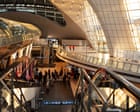
Incheon Airport in South Korea has become the world's busiest international airport for passenger traffic, largely due to the disruption caused by the ongoing conflict between Iran and the United States. According to preliminary data from the Airports Council International (ACI), Incheon handled 38.39 million international passengers in the first half of 2026, surpassing Heathrow Airport in the UK, which had 37.79 million passengers.
Changi Airport in Singapore followed with 34.53 million passengers. This marks a significant jump for Incheon, as it was ranked 10th in the world in 2002 and climbed to third place in 2025. The increase in traffic is attributed to passengers diverting from Middle Eastern hubs like Dubai due to the US-Iran conflict, which has weakened their role as major travel hubs.
Incheon's international passenger traffic rose by 6.3% compared to the previous year, with a significant portion of the visitors being foreigners, comprising 39.3% of the total in the first half of 2026. The majority of these foreign visitors were from China and Japan. The airport has expanded its services, serving 101 airlines and 183 cities, including 158 international destinations, after a four-phase expansion completed in late 2024 increased its annual capacity to 106 million passengers.
Kim Beom-ho, the acting president of the Incheon International Airport Corporation, credited the ranking to government support, public encouragement, and the hard work of individuals at the airport. South Korea holds the record for the world's busiest air route, with Gimpo Airport to Jeju Island accommodating 14.4 million scheduled seats in 2025, more than any other route globally.
Written by urgent.news from The Guardian's reporting — not their text. Machine-written — may contain errors; check the original before relying on it.