Scientists found the sweet spot for dumping iron into the ocean
A new model shows fertilizing the Southern Ocean instead of the equator could pull carbon from the air without wrecking the food chain.
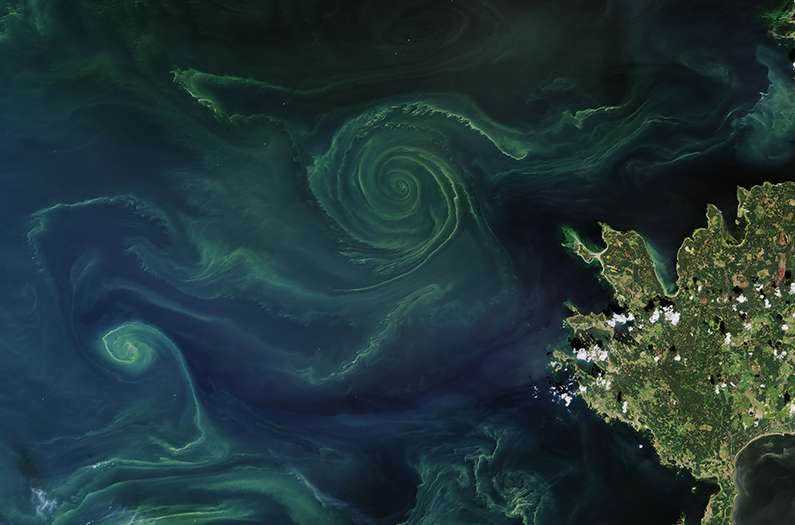
Oceans are a vital ally in the fight against climate change, absorbing a third of all human-generated carbon dioxide emissions. Researchers are exploring methods to accelerate the ocean's ability to sequester carbon dioxide. One such proposal is ocean iron fertilization (OIF), which involves dumping iron into ocean waters to trigger a growth of phytoplankton. However, according to a recent Nature study, not all locations are equally suited for OIF.
Researchers from the University of California, Irvine found that implementing OIF at higher latitudes instead of near the equator could reduce environmental impacts while still achieving carbon dioxide removal. Jun Yu, the lead author, cautioned against deploying OIF in the Central Pacific due to severe ecological risks, suggesting that the Southern Ocean could offer a better balance between carbon sequestration and ecological risk over the long term.
The study utilized an ocean iron fertilization model to analyze the fertilization potential and ecological impact across ten ocean biomes over 60 years. They discovered that OIF could remove up to 5.3 parts per million of carbon dioxide or 0.70 gigatons of carbon dioxide annually. The Southern Ocean and the equatorial Pacific were identified as areas with the largest plankton blooms, making them the most effective for carbon dioxide removal.
However, fertilizing the equatorial Pacific could lead to a significant decline in zooplankton populations, while the Southern Ocean would see an increase in zooplankton.
Yu emphasized the need to explore the potential fishery impacts of OIF, suggesting further model experiments in the Southern Ocean to assess the benefits and risks.
Written by urgent.news from Anthropocene Magazine's reporting — not their text. Machine-written — may contain errors; check the original before relying on it.