Report: 25% of US Reaper drone fleet lost in war with Iran
Pentagon officials are increasingly concerned about attrition as the Iran campaign consumes drones, cruise missiles and air-defense interceptors faster than industry can replace them
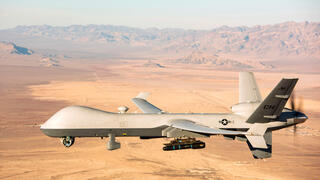
A recent Washington Post report indicates that the United States has lost approximately 25% of its MQ-9 Reaper drone fleet during its ongoing conflict with Iran, potentially costing taxpayers over $1.3 billion. According to three U.S. officials familiar with Pentagon data, this loss represents a significant strain on American weapons inventories, which have already been heavily utilized in combat operations and military aid to Ukraine.
The U.S. military initially operated around 185 Reapers, with 165 in the Air Force and 20 in the Marine Corps, prior to the war's commencement. The Marine Corps' Reapers, primarily stationed in the Asia-Pacific region, have not been lost in action. The MQ-9 Reaper, utilized for surveillance and precision strikes, costs between $30 million and $50 million, depending on its sensors and weapons.
These drones have primarily operated around the Strait of Hormuz, a key focal point of the Iran conflict, where their slower speed and low-altitude flying have made them susceptible to Iranian forces and groups in Yemen and Iraq. While some drones have been shot down, others have crashed due to lost communication links. Concerns about the diminishing Reaper fleet emerged as early as May, when Lt. Gen. David Tabor expressed worry to senators about the attrition.
The Air Force is exploring methods to replenish the fleet more swiftly. The drone losses coincide with the Pentagon's mounting expenses in the Iran war, as U.S. forces have deployed more than 850 Tomahawk cruise missiles and over 1,000 Patriot and THAAD air-defense interceptors during the initial month of hostilities. These expenditures have compelled commanders to conserve interceptors and modify defensive strategies.
Despite rejecting reports of depleted stockpiles, the Trump administration has requested billions of dollars from Congress to cover war costs and replenish inventories, including a proposed $67 billion supplemental package for the Iran war. Defense Secretary Pete Hegseth has estimated the conflict's total cost at $37.5 billion by the end of September, excluding the expense of repairing bases damaged by Iranian strikes.
Replenishing the depleted weapons could take several years, as current manufacturing capacities for THAAD interceptors cannot meet the Pentagon's desired production levels. The U.S. is transitioning away from the General Atomics-produced Reaper, planning to replace it with cheaper armed surveillance drones capable of larger-scale deployment.
The convergence of drone losses, missile expenditures, and slow production timelines underscores the mounting challenge for Washington: maintaining the campaign against Iran while simultaneously rebuilding an arsenal already strained by years of support for Ukraine.
Written by urgent.news from Ynetnews's reporting — not their text. Machine-written — may contain errors; check the original before relying on it.