LHC issues judgement in 8-year-long public litigation, reaffirms environmental directions
LAHORE: The Lahore High Court (LHC) on Thursday issued its final judgment in an eight-year-old public interest litigation concerning smog and environmental degradation in Punjab, reaffirming its directions and achievements during the marathon proceedings. Justice Shahid Karim, who authored the judgment, described it as the “last judgment in the trilogy”, following two earlier reported rulings in…
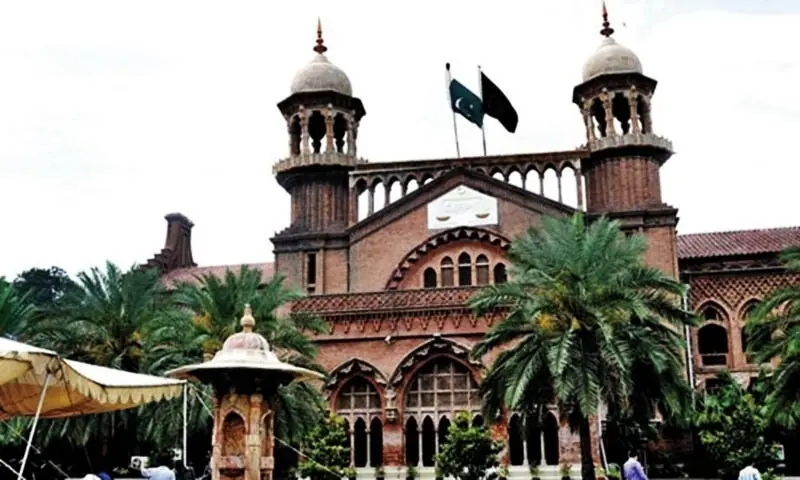
The Lahore High Court (LHC) concluded an eight-year public interest litigation lawsuit on Thursday, reaffirming its environmental directives and achievements. Justice Shahid Karim, who authored the final judgment, described it as the "last judgment in the trilogy", following two earlier rulings in 2023 and 2025. The judge described the proceedings as a unique and paradigm-shifting judicial review of governmental actions.
Justice Karim noted that, although the goal of environmental sustainability had not been fully achieved, the judgment established a precedent for future actions and resilience-building policies. The court's directions, now consolidated in the judgment, included declaring smog a calamity, mandating the use of Zig-Zag Technology in brick kilns, and increasing penalties for stubble burning violations.
The court also mandated water conservation measures, such as rainwater harvesting for new constructions and gray water treatment plants for commercial and residential buildings. Lahore has seen significant progress in water recycling, with 563 service stations now operating plants that cut fresh water use per car wash by approximately 70%.
Other key directions affirmed in the judgment include mandatory groundwater conservation efforts by Wasa Lahore, installation of recharge wells across the city, and protection of public green spaces. The judgment also addressed the judicial review of development projects, citing two major environmental victories achieved through the same litigation.
Justice Karim recognized the contributions of the Judicial Water and Environment Commission's members and recommended considering them for civil awards. The judge concluded the proceedings with a poem by Amanda Gorman, emphasizing the importance of growth and hope in the face of environmental challenges.
Written by urgent.news from Dawn - Pakistan's reporting — not their text. Machine-written — may contain errors; check the original before relying on it.