Israel’s Leaders Find Allies Among the Global Far Right
Support for the nation is becoming an increasingly polarizing issue in politics around the world.
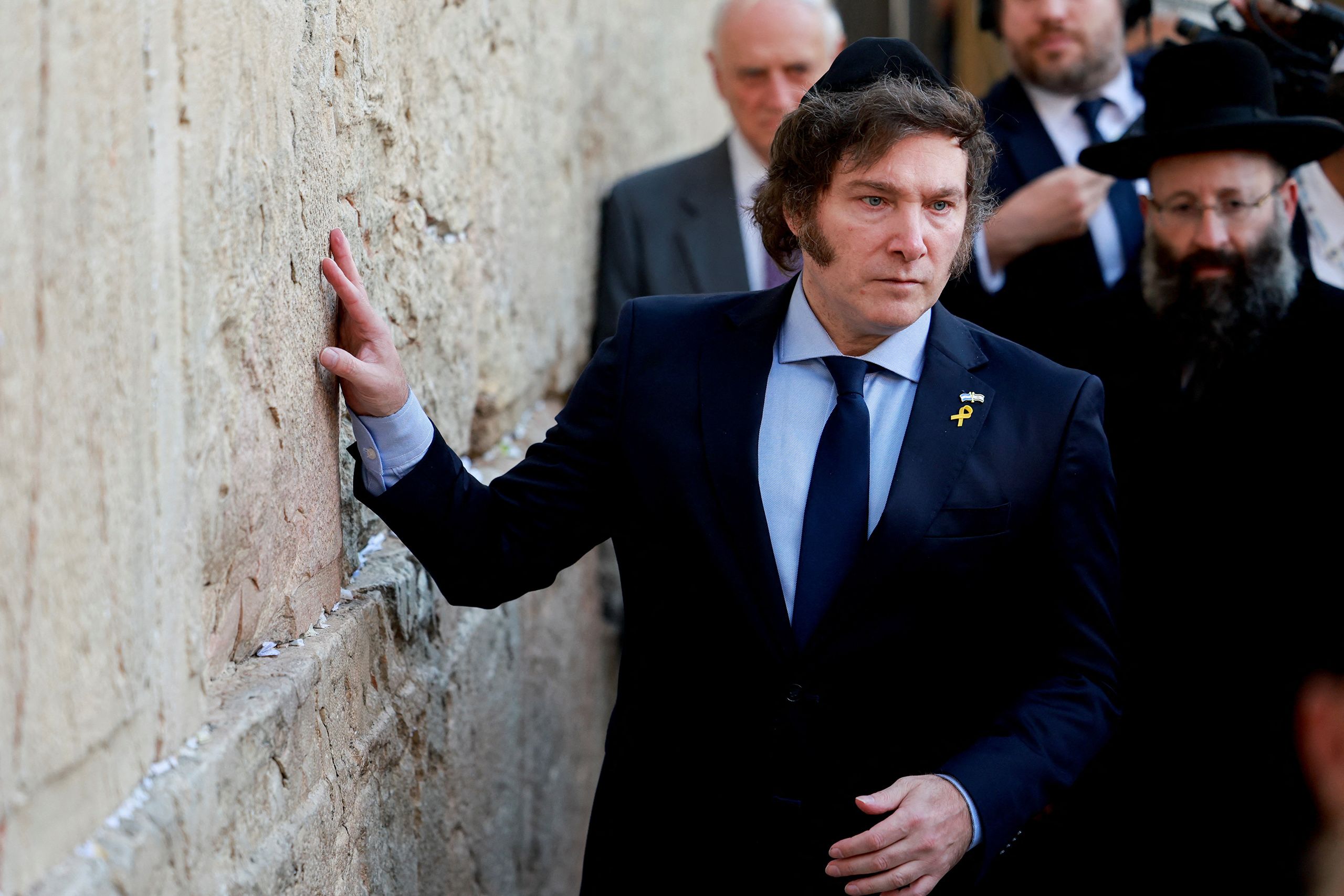
Israel's leaders have found support in the global far-right community. During his inauguration, Israeli Ambassador to the United States Yechiel Leiter informed the U.S. that Israel's relations with Colombia had improved, as the Colombian government plans to recognize Israeli sovereignty over the contested Golan Heights. Colombia is the first country apart from the United States to do so.
This move comes as Israel faces mounting pressure and criticism over its conduct in Gaza and the West Bank, which has led to a decline in public support and sympathy. In the United States, a Pew poll found that nearly two-thirds of Americans hold an unfavorable view of the Netanyahu government, and a majority of Democrats want U.S. military support for Israel reduced or ended.
Despite friction within the Republican party, the far-right direction of Israel's foreign policy has raised eyebrows and concerns. Some European far-right parties, such as France's National Rally, Spain's Vox, and Sweden's Democrats, have established connections with Israel, despite Israel's traditionally avoiding such dialogue.
This shift in Israel's foreign relations, coupled with challenges in public opinion and diplomatic pressure, signals a complex and evolving landscape in international relations.
Written by urgent.news from The New Yorker's reporting — not their text. Machine-written — may contain errors; check the original before relying on it.