California bans paraquat, highly toxic herbicide outlawed in more than 70 countries
State is US’s largest user of pesticide that is virtually proven to cause Parkinson’s disease California is banning paraquat, a highly toxic, controversial herbicide used across millions of acres of American cropland. Public health advocates characterize it as a deadly substance that is virtually proven to cause Parkinson’s disease. It is already outlawed in more than 70 countries, including…
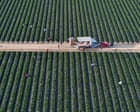
California, the largest user and producer of the highly toxic herbicide paraquat, has banned its use. This decision, akin to a major public health victory, follows the banning of paraquat in over 70 countries. The ban comes after the state legislature passed a law requiring the pesticide division to re-evaluate the substance's health risks.
Paraquat, used for decades to rapidly kill weeds on crops such as wine grapes, pistachios, almonds, and walnuts, is linked to Parkinson's disease, cancer, heart and kidney failure, and lung scarring. The California Department of Pesticide Regulation (DPR) canceled the last remaining paraquat registration and plans to phase it out over two years.
The decision was largely driven by the voluntary withdrawal of the pesticide by industry due to alarming health science data. However, this move contrasts with the EPA's reapproval of paraquat in 2021 and 2024, despite the substance's severe toxicity and lack of antidote. The pesticide is particularly harmful to wildlife and poses risks to agricultural workers and communities.
Advocates argue that the EPA's refusal to ban paraquat is due to industry influence and weak federal pesticide laws.
Written by urgent.news from The Guardian US's reporting — not their text. Machine-written — may contain errors; check the original before relying on it.
This story
This is one outlet's version. Read the fullest account.