Ketogenic diets may increase blood alcohol levels while reducing the drive to drink
A ketogenic diet could surprisingly alter the body's relationship with alcohol. New research in rats indicates that switching to a high-fat diet slows down liver metabolism, spiking blood alcohol levels while simultaneously curbing the urge to drink.
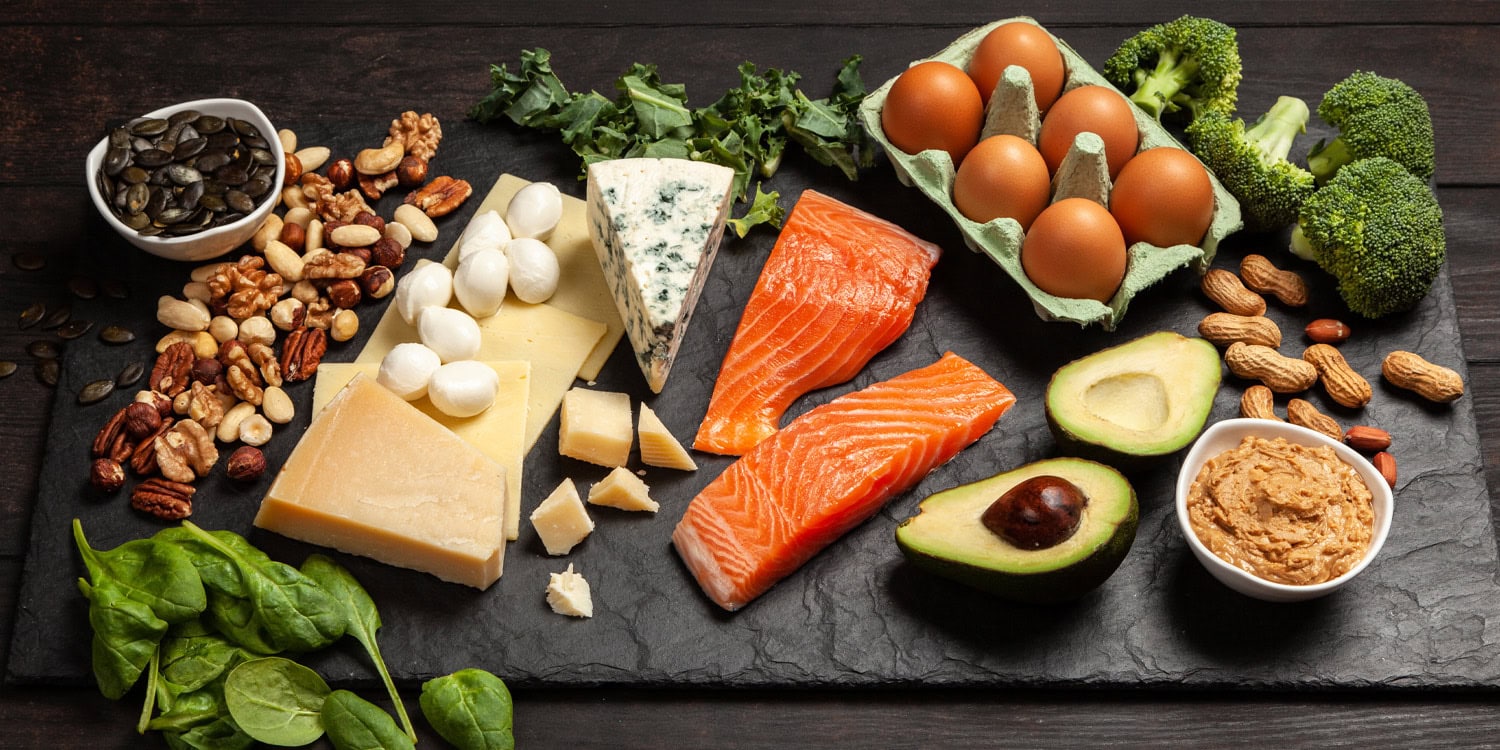
A high-fat, low-carbohydrate ketogenic diet appears to influence both blood alcohol levels and the inclination to consume alcohol, according to research conducted by scientists from the National Institutes of Health and the University of Pennsylvania. Published in the journal Neuropsychopharmacology, the study reveals that rats on a ketogenic diet experienced higher blood alcohol levels after exposure to alcohol vapor compared to those fed a standard diet.
This finding suggests that the diet may alter the liver's metabolism of alcohol, leading to reduced alcohol consumption. The researchers noted that the ketogenic diet lowered levels of an enzyme called ADH1, which breaks down alcohol, and altered the liver's NAD+/NADH balance, which plays a role in energy transfer. Additionally, the diet reduced brain glucose absorption and shifted the rats' energy sources toward ketone bodies.
While the exact reason for the reduced alcohol consumption remains unclear, the results indicate that changes in brain energetics may contribute to the effect. In a separate experiment, the researchers found that male rats on a ketogenic diet pressed a lever for alcohol fewer times and consumed less alcohol per gram of body weight compared to those on a standard diet.
However, this effect was not observed in female rats, suggesting that sex may play a role in how metabolic interventions impact alcohol consumption.
Written by urgent.news from PsyPost's reporting — not their text. Machine-written — may contain errors; check the original before relying on it.