AI threatens nearly a quarter of Southeast Asia’s workforce but not all is lost
Fears of a new industrial revolution in which artificial intelligence replaces manual labour have yet to materialise in Southeast Asia – but white-collar workers should brace themselves. Nearly one in four workers in the region face generative AI (GenAI) disrupting or affecting their jobs, according to a July report by the International Labour Organization (ILO). Clerical, administrative and…
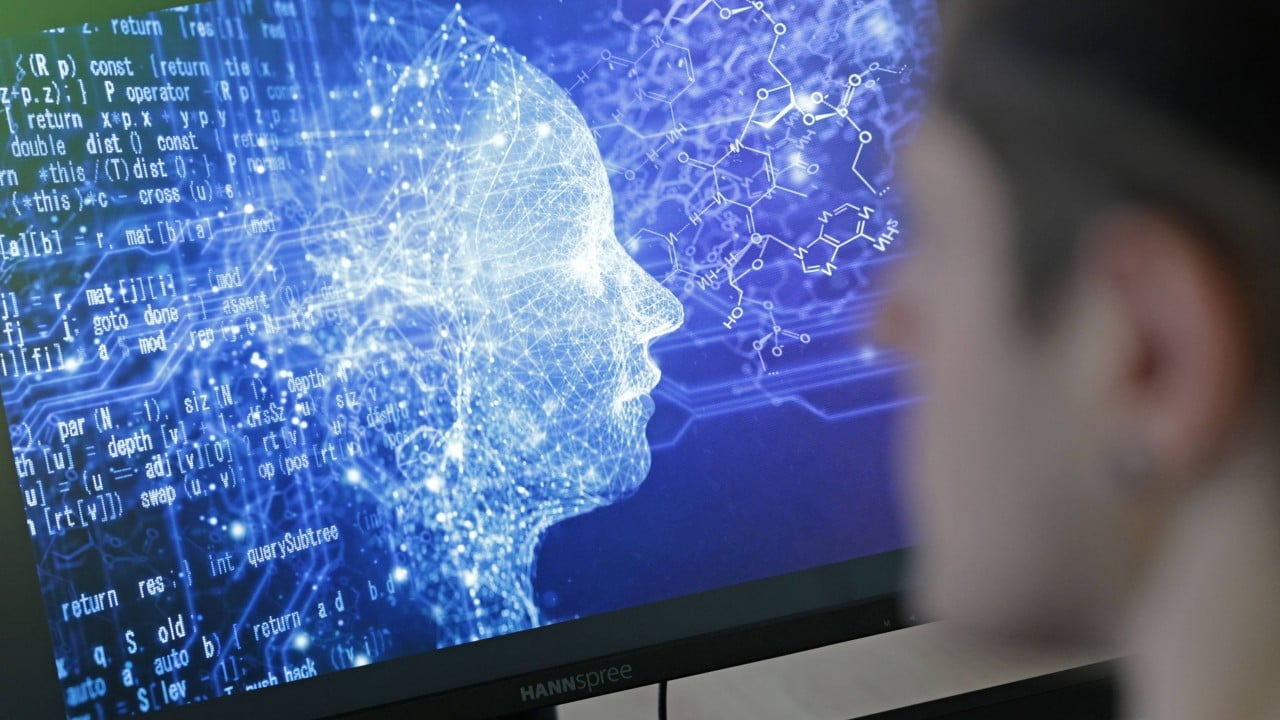
Nearly one in four workers in Southeast Asia may see their jobs affected by artificial intelligence, according to the International Labour Organization (ILO). This impact is most pronounced in clerical, administrative, and professional positions. White-collar workers should be prepared for changes to their roles, as some may move up the value chain or evolve.
However, there is limited evidence so far of large-scale job losses due to GenAI. The impact of GenAI on jobs is more about transformation than displacement, according to Phu Huynh, a senior employment specialist at the ILO. In the region, nearly 80 million women and men are employed in jobs exposed to GenAI, with women being more concentrated in these occupations.
Singapore has the highest share of workers exposed to GenAI at 42.2 per cent, likely due to its knowledge-intensive occupational structure. The Philippines follows at 28.1 per cent, reflecting its service-oriented economy and prominence in the IT and business process management sectors. Indonesia, Vietnam, and Thailand also have significant levels of exposure.
Despite the scale of AI exposure, there has been limited evidence of large-scale job losses associated with GenAI. Instead, the impact is more likely to be on the transformation of jobs and tasks rather than outright displacement. Ensuring that workers have the skills to use AI effectively will be crucial for supporting economic upgrading and sustaining the region's transition up the value chain.
Written by urgent.news from South China Morning Post's reporting — not their text. Machine-written — may contain errors; check the original before relying on it.