Agric Minister urges coordinated measures to reset Ghana’s oil palm industry
The minister of Food and Agriculture Eric Opoku, has called for coordinated measures to reset Ghana’s oil palm industry and transform its production potential into jobs, industrial growth, and reduced imports.
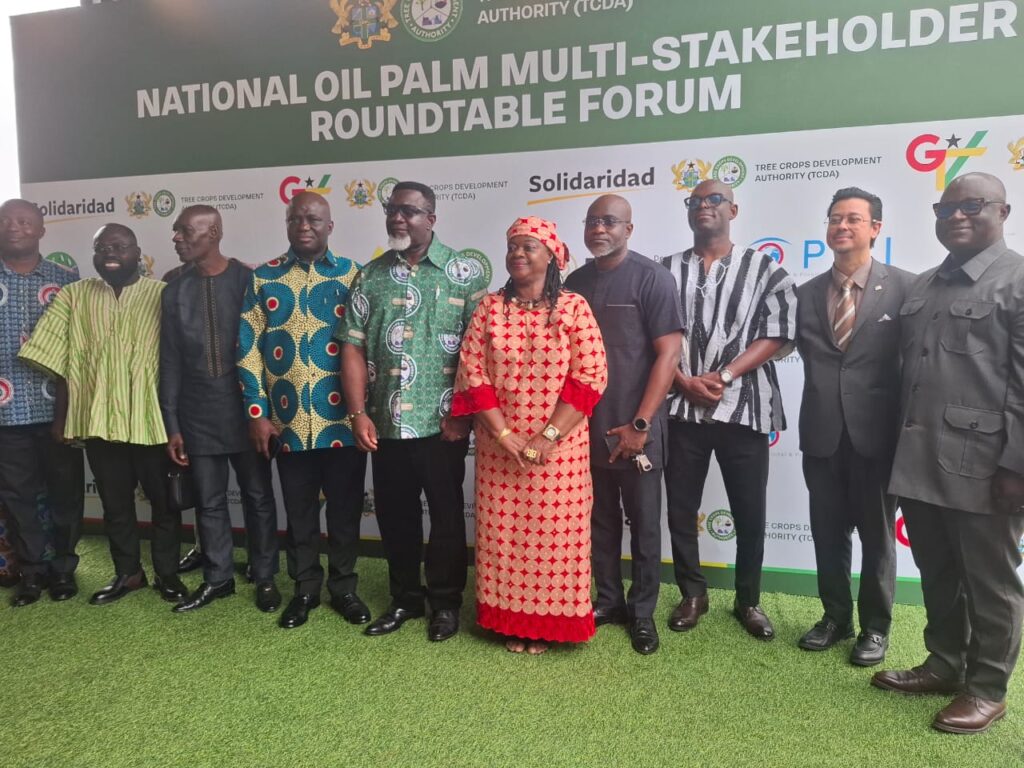
Ghana's Minister of Food and Agriculture, Eric Opoku, has called for coordinated action to bolster the country's oil palm industry, aiming to transform its potential into job creation, industrial growth, and reduced imports. Speaking at the 2026 National Palm Stakeholders Forum in Accra, Opoku emphasized that oil palm serves as a crucial link between agriculture and industry, benefiting various stakeholders, including farmers, processors, traders, and manufacturers.
Currently, Ghana imports palm oil to meet its annual demand, resulting in job losses, underutilized processing capacity, and unreliable markets for farmers. The minister stressed that policy alone is insufficient; practical measures are required to raise productivity, promote smallholder participation, grow processing, and foster sustainable development.
Opoku noted that the government's 2026 budget aims to establish 100,000 hectares of new oil palm plantations, which will also focus on rehabilitating aging farms, enhancing planting materials, and opening up new areas for production. He urged stakeholders to leave the forum with clear responsibilities, timelines, resources, and measurable targets.
The forum comes as the government seeks financing to expand the oil palm industry, with the Minister of Finance, Dr. Cassiel Ato Forson, confirming a near-US$500 million deal. The Tree Crop Development Authority (TCDA), under the Tree Crops Development Authority Act of 2019, is responsible for licensing, production planning, and industry data management. Its goal is to achieve self-sufficiency in palm oil production by 2032, creating sustainable jobs and reducing dependence on imported edible oils.
Written by urgent.news from MyJoyOnline Ghana's reporting — not their text. Machine-written — may contain errors; check the original before relying on it.