Why your energy crashes at work – and what could actually help
From heavy lunches and endless scrolling to poorly timed workouts, everyday habits can quietly drain focus and stamina.
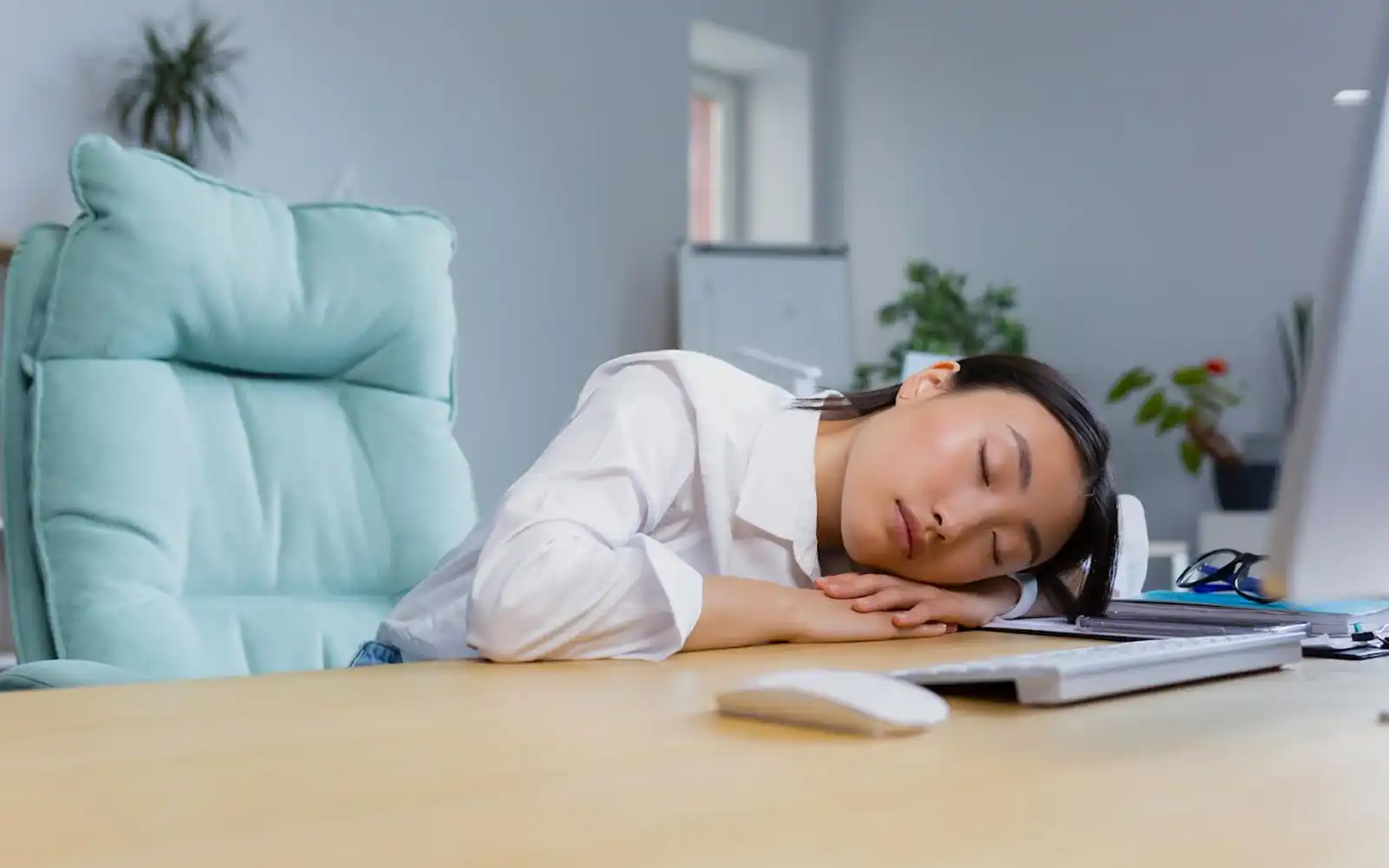
The afternoon slump often strikes when energy begins to wane at work. The problem can stem from various everyday habits related to food, movement, sleep, and screen use. Health experts interviewed by Singapore's CNA have noted that these daily routines can determine whether one's energy stays steady or crashes during the day.
After eating, a common sensation of heavy, foggy drowsiness occurs, medically known as postprandial somnolence. While some mild sleepiness after a meal is normal as the body prioritises digestion, consuming a large lunch heavy in refined carbohydrates and sugar can exacerbate the effect. Foods like white rice, noodles, sugary drinks, and rich desserts cause blood glucose to surge rapidly before plummeting, leaving a person feeling sluggish, unfocused, and craving more caffeine by mid-afternoon.
Opting for a balanced meal that combines carbohydrates with protein, fibre, and healthy fats can help prevent sharp fluctuations in blood sugar. For instance, a moderate portion of mixed rice accompanied by vegetables, tofu, fish, chicken, or eggs can provide a steadier source of energy, particularly for the brain and muscles. Similarly, sweet drinks should be swapped for water, unsweetened tea, or kopi-O kosong (unsweetened coffee).
Portion control is also crucial; even a balanced meal can become exhausting when consumed in excessive quantities. A short walk after eating may further aid digestion and prevent a slump. However, skipping breakfast might backfire for some individuals. While traditionally promoted as essential, the reality is nuanced; those who wake up hungry might end up overeating later in the day, resulting in a more pronounced afternoon crash.
Breakfast does not have to be elaborate to be beneficial. Options like wholemeal toast with peanut butter, yoghurt with fruit and nuts, or a boiled egg with a banana can deliver carbohydrates, protein, and fat without demanding much preparation. Some adults genuinely do not feel hungry in the morning and can maintain stable energy levels on two well-balanced meals. In such cases, the emphasis should be on meeting nutritional needs across the day rather than forcing breakfast.
The manner in which one eats is almost as significant as the food consumed. Eating at a desk while simultaneously attending to emails or scrolling through messages removes the mental pause that a proper break should provide. Distraught eating may also make it harder to notice when one is full, potentially leading to overeating. Stepping away from the workstation allows both digestion and attention to reset.
Caffeine can temporarily improve alertness, but it does not replace rest. In fact, consuming repeated cups of coffee might merely mask tiredness. Late consumption of caffeine may then disrupt sleep patterns, creating a similar cycle the following day. Similarly, sugary snacks provide a brief lift, followed by another dip in energy. While coffee can offer a quick boost at work, relying on it as the sole remedy for fading concentration may only mask fatigue and disrupt sleep later.
A more sustainable approach might involve water, a balanced snack, a few minutes outdoors, or a short walk. Rather than banning coffee or treats, it is advisable to stop using them as the only tools when concentration begins to fade. Persistent fatigue despite adequate sleep should not be dismissed as an ordinary workday problem. Underlying conditions such as sleep apnoea, anaemia, thyroid disorders, diabetes, or medication effects may necessitate medical assessment.
Regarding exercise, morning workouts are often depicted as the ideal solution. However, that schedule might not suit everyone. Early risers may find a brief walk, jog, or short strength routine invigorating, while others prefer to exercise later in the day once they have eaten and their bodies are fully awake. Forcing an early workout into a rushed morning can create more stress than energy.
Experts from CNA emphasised that the best exercise time depends on natural rhythms, responsibilities, and consistency. Dividing movement into shorter blocks throughout the day, such as a brisk walk before work, brief stretches at lunch, and a resistance routine in the evening, can also be beneficial. Additionally, interrupting prolonged sitting with brief periods of standing or walking can help maintain focus and prevent sluggishness.
Written by urgent.news from Free Malaysia Today's reporting — not their text. Machine-written — may contain errors; check the original before relying on it.