US inflation slows slightly in July despite elevated fuel prices
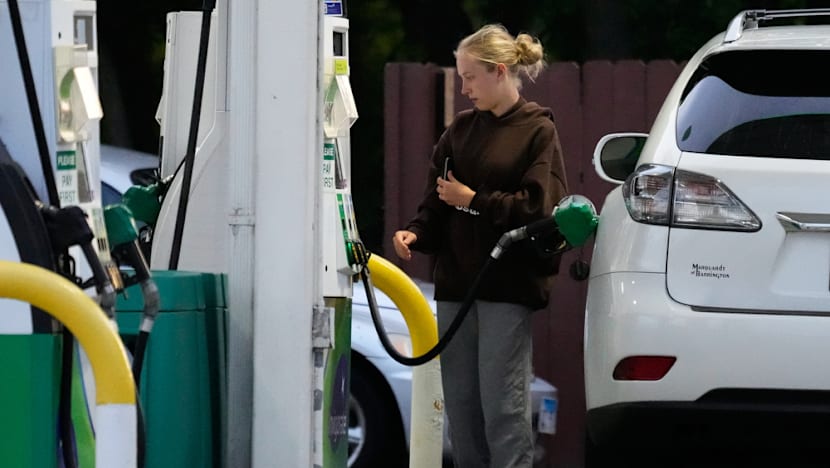
US inflation eased slightly to 3.4 per cent in July, potentially giving the Federal Reserve more flexibility on interest rates ahead of the midterm elections.
Tokyo, August 13 - Japan's wholesale inflation persisted at a high level in July, indicating mounting price pressures that bolster the likelihood of an interest rate increase in September, according to data released on Thursday. The Bank of Japan's (BOJ) data revealed that the producer price index climbed 7.2% in July, slightly lower than market projections for a 7.4% rise, yet still reflecting a significant 7.3% surge in June.
On a month-over-month basis, the index increased by 0.1% in July, following a revised 0.5% gain in June.
Analysts anticipate that renewed tensions in the Middle East, driving up crude oil prices, will further elevate the costs of energy and other goods. Masato Koike, a senior economist at Sompo Institute Plus, predicts that further depreciation of the yen could exacerbate import price inflation, anticipating a September rate hike by the BOJ.
Despite a dip in oil-related expenses in June, robust demand fueled by the AI boom, soaring global metal prices, and heightened raw-material costs due to the Middle East conflict have sustained price increases across various goods. Nonferrous metals prices surged 40.6% year-on-year in July, following a 39.3% jump in June. The price of chemical products rose 12.9% in July, after a 15.1% increase in June.
The yen-linked import price index surged 29.1% year-on-year in July from a year earlier, underscoring the impact of a weaker currency on import costs and broader inflation. The BOJ maintained its steady policy last month but cautioned that underlying inflation could surpass its 2% target due to escalating price pressures, signaling a high probability of a September rate increase.
The BOJ's July report emphasized the recent surge in wholesale inflation as a critical indicator of growing inflation risks that may warrant additional rate hikes. Analysts suggest that the escalating wholesale price surge could result in broader consumer inflation increases, which have remained below the 2% target in recent months due to government subsidies aimed at mitigating fuel costs.
Tokyo's annual core inflation, considered a leading indicator of nationwide trends, reached 1.9% in July, showing a faster pace compared to the previous month as businesses continued to pass on rising costs to consumers. Concerns within the BOJ about the weak yen's impact on households and retailers through higher import costs have further bolstered expectations for another rate increase, with forecasts anticipating a rate move to 1.25% from 1% at the September 17-18 policy meeting.
Recent joint Japan-U.S. yen interventions and statements from U.S. Treasury Secretary Scott Bessent, advocating for an early rate hike, have effectively secured a September rate hike.
Written by urgent.news from Channel News Asia's reporting — not their text. Machine-written — may contain errors; check the original before relying on it.
This story
This is one outlet's version. Read the fullest account.
- Inflation eased slightly to 3.4% in July, but energy prices are still high fastcompany.com
- US stocks mostly up after data shows slightly lower inflation in July nst.com.my
- Here are five key takeaways from the July CPI inflation report cnbc.com
- US inflation rises 0.1% in July, easing pressure on Fed semafor.com
- Venezuela inflation surges to near 20% in July, central bank says investing.com
- Japan's wholesale inflation spikes in July, bolsters rate-hike chance channelnewsasia.com