Rhine water level falls to new lows, halting sailings at chokepoint
German companies report growing disruption from Rhine water levels that have hit a series of record lows.
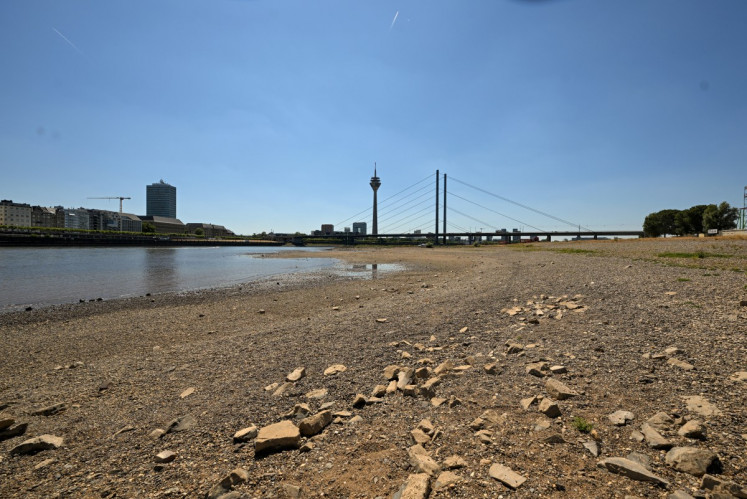
Germany's Rhine river has experienced a series of record low water levels, causing disruptions for cargo vessels and affecting various industries. Inland navigation agency WSV reported that the navigable water depth at Kaub, a chokepoint near Koblenz, reached just 12 centimeters on Wednesday, falling below the previous low of 25 centimeters in 2018.
This submerged depth is about 1 meter below the navigable depth, effectively halting north/south river navigation. Most vessels cannot pass through Kaub, causing load distribution among vessels to prevent running aground, and northern sections of the river often carrying only 20% of full sailings. Chemical producers, utilities, steelmakers, and agricultural traders have warned of higher costs, transport bottlenecks, and curbed production.
The industry group BDB warned that parts of the Rhine could soon become unnavigable due to low water levels caused by high summer temperatures and low rainfall. German companies like Thyssenkrupp and BASF have used shallow-draft ships to continue transporting goods, and Chancellor Merz's government is considering assistance for affected companies.
Despite the challenges, shipping on the Rhine remains partially operational, with cargo vessels continuing to transport goods in the region.
Written by urgent.news from The Jakarta Post's reporting — not their text. Machine-written — may contain errors; check the original before relying on it.