Researchers identify brain cancer weakness that could prevent relapse
Studies in mice reveal a brief window after brain cancer surgery when drugs can reach remaining tumor cells, potentially preventing the disease's return.
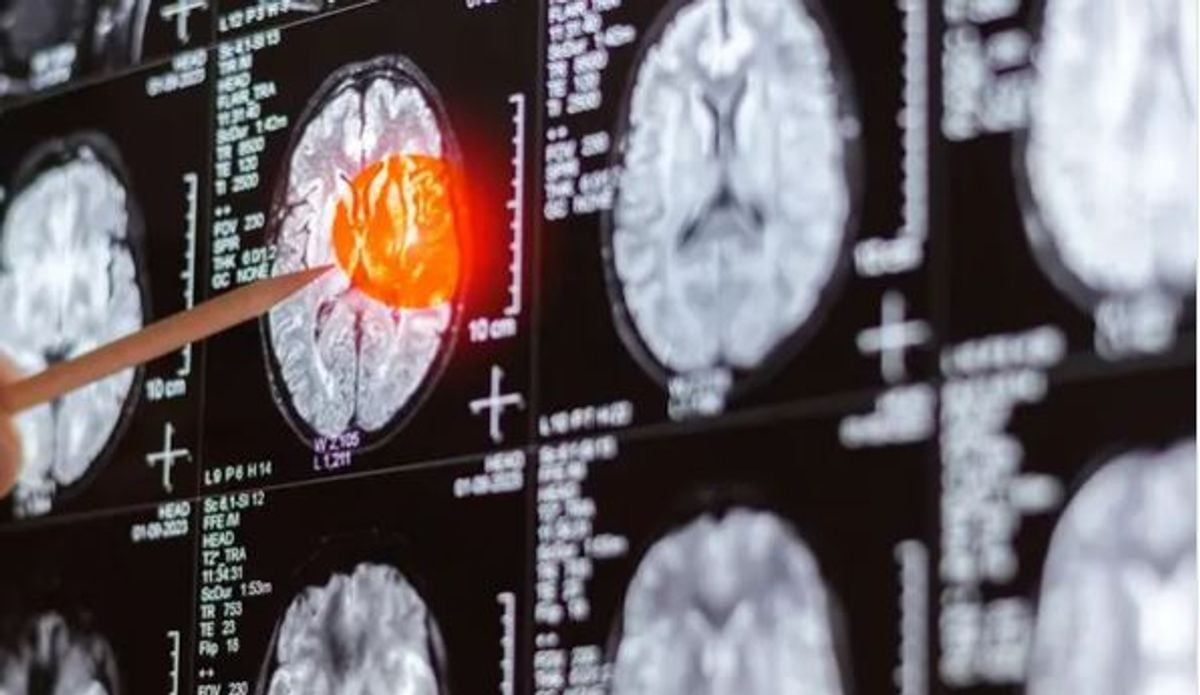
New research has uncovered a critical window following brain cancer surgery when drugs can target residual cancer cells, potentially preventing tumor recurrence. Experiments in mice have identified a brief period after surgical removal of glioblastoma tumors when drugs can cross the brain's protective barrier and reach remaining cancer cells.
Glioblastoma surgery is typically performed shortly after diagnosis, followed by chemotherapy and radiation therapy four to six weeks later. Despite these treatments, some cancer cells persist, leading to tumor regrowth. The researchers found that surgery disrupts the blood-brain barrier in the resection margin—where the tumor was removed—within hours of the procedure and again 48 to 72 hours later.
This discovery could enable the targeted delivery of chemotherapy drugs, such as doxorubicin, to the area most vulnerable to recurrence. A study published in Science Translational Medicine revealed that nanoparticles loaded with doxorubicin accumulated in the resection margin during these windows, significantly reducing tumor recurrence.
Dr. Thomas Kisby from the University of Manchester, a co-author of the study, emphasized that for the first time, they have demonstrated that surgery provides a temporary vulnerability in glioblastoma that can be exploited. By synchronizing treatment within these identified time frames, the researchers suggest a substantial potential to suppress tumor growth before it reappears.
Written by urgent.news from Ajel English's reporting — not their text. Machine-written — may contain errors; check the original before relying on it.