What psychiatric genetics can and cannot tell an Indian family
What can genetics usefully do in your consultation room today? It can reduce blame. A mother did not cause schizophrenia by being ‘too strict’. A father did not ‘transmit’ bipolar disorder through a moral failing. Biology matters and families often find that acknowledgement to be a relief
A young man returned to the clinic after his first experience of psychosis, and his parents inquired about his future. While immediate concerns about college attendance were typical, as the crisis settled, the focus shifted to genetic questions. Parents worried whether the illness was inherited and if a genetic test could offer answers.
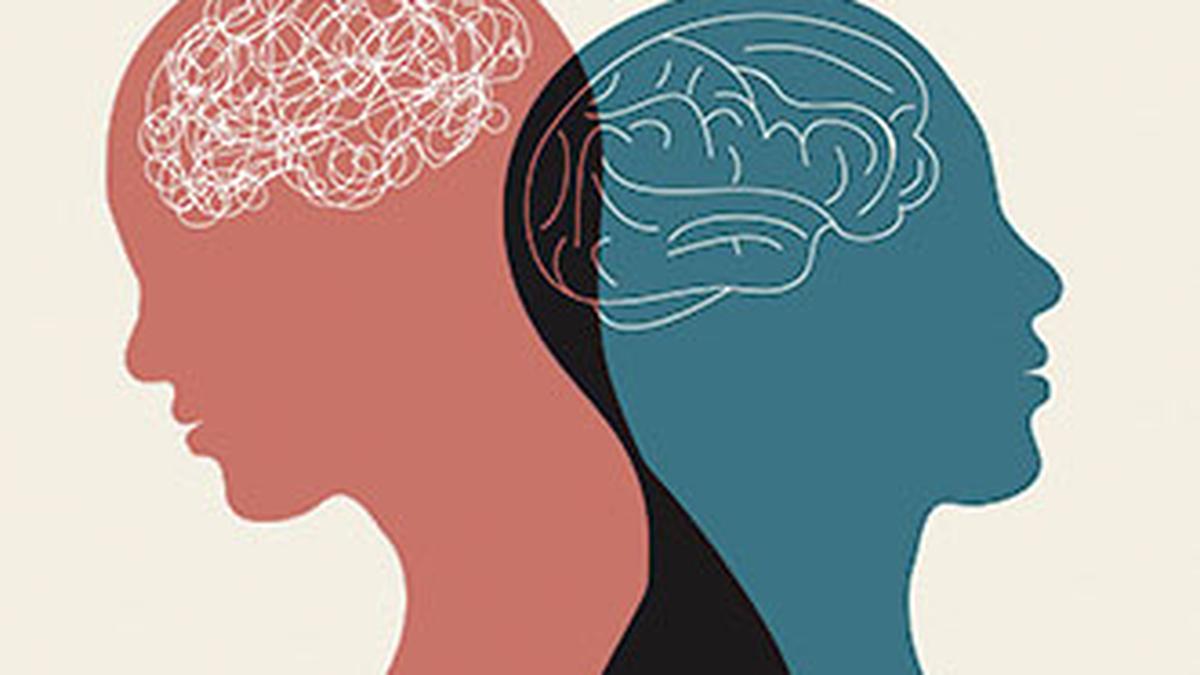
These concerns often stemmed from a desire to understand the cause and alleviate blame, rather than scientific inquiry. The language "genes for schizophrenia" or "genes for depression" can be misleading, as they imply a deterministic link that does not reflect the reality of psychiatric genetics.
Scientists have made significant strides in understanding the genetic basis of mental illness, but they also emphasize that genes do not predetermine a person's fate. Instead, vulnerability to mental illness is complex and multifaceted, influenced by a wide array of factors beyond genetics. Genome-wide association studies (GWAS) have been instrumental in this research, comparing millions of genetic variants to identify patterns that may be associated with specific conditions.
However, these studies reveal that mental illness is polygenic, meaning it results from the combined influence of thousands of genetic variants, along with environmental and developmental factors.
In 2022, a major study identified 287 genomic regions associated with schizophrenia, while a 2021 study on bipolar disorder found 64 associated regions. These findings provide a roadmap for understanding the biological underpinnings of these disorders and potential treatment avenues. Nonetheless, it's important to note that a genomic region is not equivalent to a single gene, and associations do not imply causation.
Many genetic signals may relate to gene regulation rather than directly encoding proteins. Moreover, the effects may occur during critical periods of brain development.
GWAS studies have also highlighted how traditional diagnostic categories may not always align with biological realities. For instance, some inherited risk factors are shared across schizophrenia and bipolar disorder, challenging the notion that psychiatric diagnoses are strictly categorical. Despite this, a diagnosis remains valuable for guiding treatment and communicating prognosis to patients and their families.
Researchers have even attempted to consolidate these small genetic effects into a polygenic risk score—a single number indicating inherited susceptibility. While such scores can be useful in certain research contexts, they are not predictive of future illness, severity, or treatment response.
The International Society of Psychiatric Genetics warns that current polygenic risk scores for schizophrenia, bipolar disorder, and depression lack the accuracy needed for routine clinical prediction. Furthermore, Indian psychiatrists must be particularly cautious due to the historical underrepresentation of Indian ancestry in genomic databases.
Scores developed from predominantly European populations may not accurately predict risk in diverse Indian populations. The GenomeIndia project, which gathered whole-genome data from over 10,000 individuals across various Indian population groups, underscores the immense genetic diversity within the country. Thus, developing scores specifically for Indian populations is crucial for accurate risk assessment.
In practice, psychiatric genetics can help alleviate blame by clarifying that mental illness is not caused by parental behavior or moral failings. While biology is a significant factor, families should not lose hope. Instead of fatalism, genetic vulnerability should encourage proactive measures. Effective genetics consultation can reassure families that mental illness is a complex interplay of genetic, environmental, and lifestyle factors.
By involving diverse populations in research and respecting privacy, psychiatry can continue to make meaningful progress while respecting cultural and genetic differences.
Written by urgent.news from The Hindu Health's reporting — not their text. Machine-written — may contain errors; check the original before relying on it.
This story
This is one outlet's version. Read the fullest account.