Once-in-a-generation solar eclipse wows millions in UK and Europe
More than 95% of the Sun was covered by the Moon in Cornwall, while parts of Spain experienced the magic of a total eclipse.
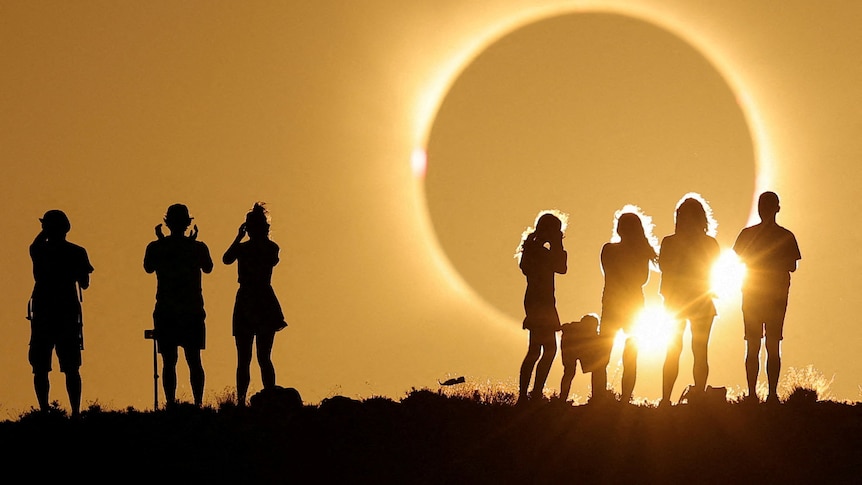
The UK and Europe have recently witnessed a remarkable solar eclipse, described as once-in-a-generation by many. Millions of people across these regions were fortunate enough to observe this celestial event. In the UK, the partial eclipse reached its peak shortly after 19:00 BST, with the Moon covering more than 90% of the Sun for most viewers, marking the country's most dramatic eclipse since 1999.
Greenland, Iceland, and Spain experienced the total eclipse, with some areas, like Cornwall, enjoying a coverage of up to 95%. The total eclipse was visible in Spain at around 19:30 BST (20:30 local time), where the Sun, Moon, and Earth were perfectly aligned. The total solar eclipse was a breathtaking sight, with the red glow of the Sun's corona and the appearance of pink gas loops called prominences.
This rare occurrence happens roughly once every 400 years for any given location. The UK is expected to experience another total solar eclipse in 2081, covering up to 99% of the Sun, while the next partial eclipse in the country won't be as dramatic until 2027, with about 45% coverage in certain regions.
Written by urgent.news from BBC Science's reporting — not their text. Machine-written — may contain errors; check the original before relying on it.