Neuropsychiatric MRI brain signatures fail reproducibility test
Small neuroimaging studies are unlikely to capture consistent anatomical changes related to conditions such as autism, schizophrenia and mood disorders, according to a new “wake-up call” study.
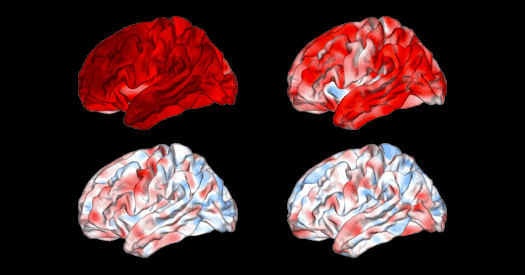
A new study emphasizes the unreliability of neuropsychiatric MRI brain signatures, casting doubt on the efficacy of structural measures as reliable biomarkers. Researchers analyzed thousands of MRI scans from individuals with autism, depression, bipolar disorder, schizophrenia, and other neuropsychiatric conditions, as well as Alzheimer's disease.
Despite using the same analysis pipeline, brain changes showed little consistency across independent study sites. Unlike Alzheimer's disease, which exhibited robust and reproducible brain signatures, neuropsychiatric conditions demonstrated conflicting results. Fornito and his colleagues found that structural MRI studies often produce conflicting results, with some identifying greater cortical thickness in specific brain regions in people with autism while others reported the opposite.
The study suggests that accounting for demographic and technical factors failed to explain the inconsistency, indicating that different approaches are needed to identify reliable biomarkers. To improve reproducibility, the team recommends investigating larger unsimulated datasets and exploring alternative frameworks that classify individuals based on trait profiles, rather than relying solely on traditional neuropsychiatric diagnoses.
Integrating structural MRI data with genetics, molecular biology, and longitudinal clinical data may also enhance the reliability of structural biomarkers.
Written by urgent.news from The Transmitter's reporting — not their text. Machine-written — may contain errors; check the original before relying on it.