How Hong Kong can unlock the real value of its Asean trade boom
The Association of Southeast Asian Nations has a role to play in Hong Kong’s plans for its economy. Chief Executive John Lee Ka-chiu signalled as much when he touched on the city’s first five-year plan in his August 7 meeting with Asean Secretary General Kao Kim Hourn. For businesses, however, the central question is not whether Hong Kong-Asean economic ties will continue to grow. They will. The…
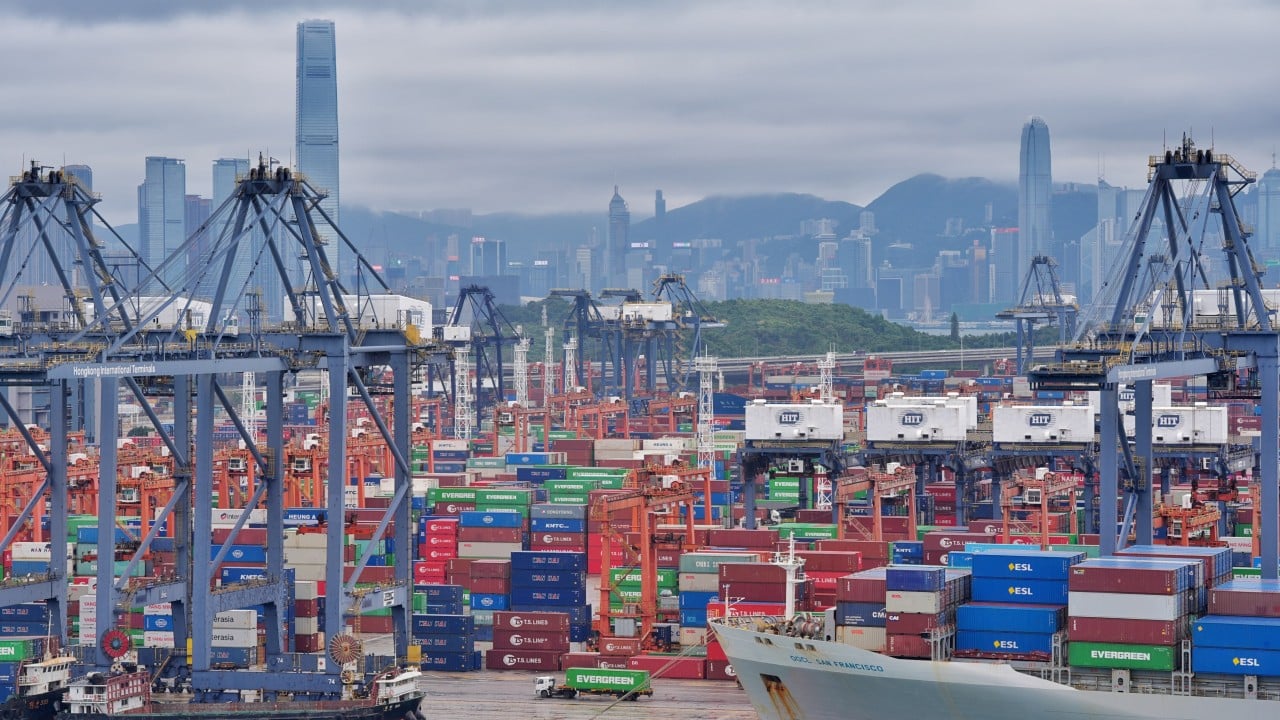
Hong Kong is positioned to capitalize on its burgeoning trade with the Association of Southeast Asian Nations (Asean). In 2025, Hong Kong's merchandise trade with Asean reached HK$1.67 trillion (US$212.8 billion), constituting 15.3% of the city's global goods trade. Hong Kong's direct investment in Asean exceeded HK$670 billion at the end of 2024.
However, re-exporting goods through Hong Kong often results in most of the value being retained elsewhere, rather than generating substantial profits for Hong Kong. Therefore, the key to unlocking the full economic potential lies in attaching high-value services to each transaction.
Vietnam and Singapore contribute nearly 63% of Hong Kong's merchandise trade with Asean in 2025, while adding Malaysia brings the figure to almost 80%. While Asean is a broad diplomatic term, each individual country presents unique challenges, such as licensing rules, political risks, business culture, and distribution networks. Hong Kong can exploit this market gap by fostering partnerships with local firms, overcoming language and cultural barriers, and securing professional talent.
Conversely, Asean companies have established around 830 regional offices in Hong Kong, which can benefit from the city's capital, professional services, and proximity to the Greater Bay Area market. The two-way flow between Hong Kong and Asean is essential for long-term growth and resilience.
Hong Kong and Asean are also collaborating to link their trade single-window systems, facilitating electronic exchanges of certificates of origin. Additionally, the Asean Digital Economy Framework Agreement emphasizes paperless trade, digital payments, data governance, and cybersecurity, creating opportunities for businesses offering compliance services such as data audits and cybersecurity testing.
While Hong Kong competes with Singapore for regional headquarters, family offices, listings, and investors, the city's greater threat is being bypassed entirely by mainland companies building their own Asean networks and financial centers within Asean becoming increasingly capable. The ultimate success of Hong Kong's Asean strategy depends on building trust, understanding regulations, managing risk, and navigating cultural and political complexities.
These capabilities can be monetized, leading to recurring revenue streams and sustainable economic growth.
Written by urgent.news from South China Morning Post's reporting — not their text. Machine-written — may contain errors; check the original before relying on it.
This story
This is one outlet's version. Read the fullest account.