Former Chinese premier Zhu Rongji dies aged 97
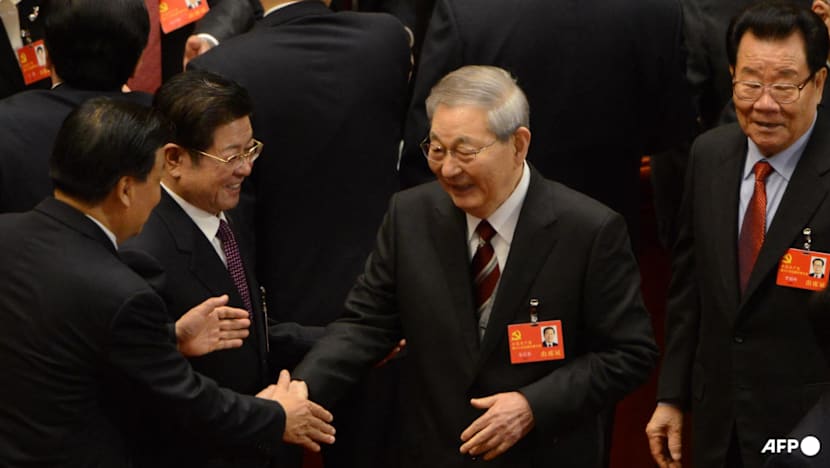
Former Chinese Premier Zhu Rongji, who played a pivotal role in China's economic transformation, passed away on August 12 at the age of 97 due to illness, as reported by state media. Born in Beijing in 1924, Zhu graduated from the prestigious Tsinghua University and joined the Communist Party in 1949, the same year Mao Zedong established the People's Republic of China. During the tumultuous Cultural Revolution, Zhu was sent to the countryside and later rehabilitated politically.
Zhu's career progressed steadily, culminating in his appointment as Shanghai mayor in 1987. In this role, he oversaw the city's initial steps toward becoming a global financial hub. In 1991, Zhu moved to Beijing to work for the central government and played a crucial role in implementing reforms that transformed China from a struggling nation against the collapse of Soviet-style Communism to an emerging superpower with enviable economic growth rates.
Among his many accomplishments, Zhu is credited with coaxing and cajoling China into joining the World Trade Organization (WTO) in 2002 through protracted negotiations. At the time, some Chinese officials were apprehensive that the concessions made to gain entry into the WTO might weaken the Chinese economy. Despite this, Zhu's tenure as premier was marked by significant economic reforms, including the shutdown or privatization of state-owned enterprises, the redistribution of tax power from local officials to the central government, and the launch of housing ownership reforms that triggered a feverish real-estate boom.
While Zhu's leadership was generally considered successful, some critics argued that his policies in areas such as grain policy, tax distribution, and state factory closures created challenges that his successors had to address. Nevertheless, Zhou Ruijin, a former senior editor of the People's Daily, suggested in a 2011 interview that future leaders would benefit from learning from Zhu's approach to promoting big reforms and nurturing a generation of risk-takers who were at the forefront of the market economy.
Written by urgent.news from Channel News Asia's reporting — not their text. Machine-written — may contain errors; check the original before relying on it.
Also reported by 3 other outlets
- Former Chinese premier Zhu Rongji dies aged 97 dawn.com
- Former Chinese premier Zhu Rongji dies aged 97 freemalaysiatoday.com
- Former Chinese premier Zhu Rongji dies aged 97 citizen.co.za