Environmental impact of Iran war could last years with land, sea and air affected
Environmental contamination from the US-Israeli war with Iran could continue for years, a leading researcher has said, as concerns grow over two major oil slicks in the Arabian Gulf. Reports indicate that mangroves on Qeshm Island have been contaminated by oil, while a separate leak from a Russia-linked tanker has reportedly reached the Omani coast . There are fears this slick could expand and…
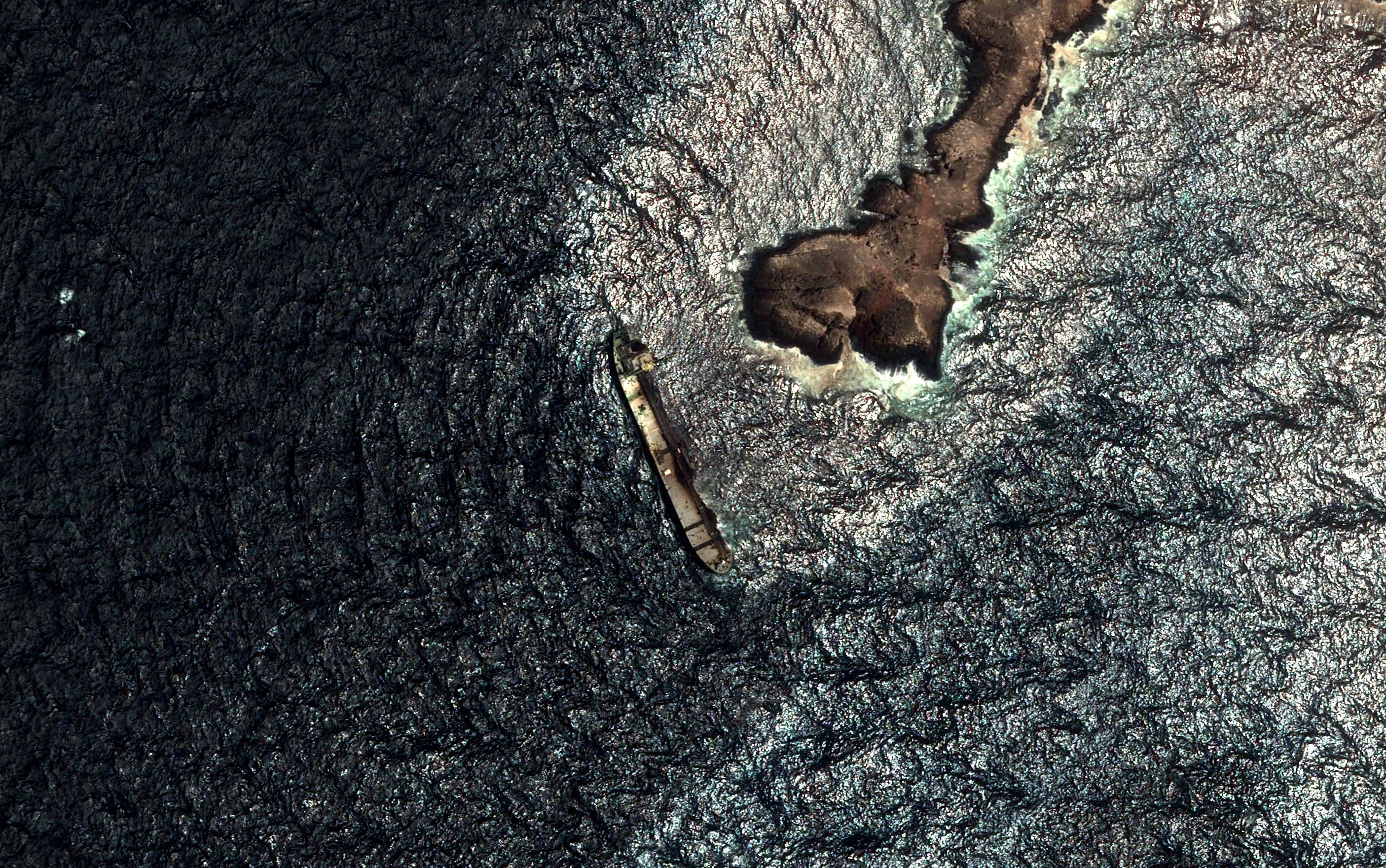
A leading researcher warns that the environmental impact of the US-Israeli war with Iran could persist for years, with land, sea, and air all being affected. Two major oil slicks in the Arabian Gulf have raised concerns, one originating from an unclear source and the other from a Russia-linked tanker named Caroline Bezengi. The latter has been leaking oil since a June explosion and fire, creating a slick that has reached the Omani coast, covering over 2,000 square kilometres.
Dr Diana Francis, an associate professor at Khalifa University in Dubai, highlights the air as another affected area, citing oil refinery fires, explosions, and the destruction of buildings and bridges. The impact varies from severe local pollution lasting a few hours to days, with contaminated dust, soil, and rubble potentially causing exposure for months or even years.
The conflict also has longer-term climate implications, as fuel fires, military operations, damaged oil-and-gas infrastructure, and reconstruction increase emissions of carbon dioxide, methane, and black carbon. Methane and black carbon have strong near-term warming effects, while carbon dioxide remains in the climate system for centuries.
While most attention has been on the environmental contamination, the air has also been impacted by oil refinery fires, explosions, and the destruction of buildings and bridges. Dr Francis notes that the duration of pollution episodes varies, but smoke can persist for about a week, and contaminated dust, soil, and rubble may cause intermittent exposure for months or years.
The conflict's risk to civilians is also a concern, with attacks on environmentally risky infrastructure, including oil facilities and industrial sites, increasing the risk of contaminant release. The long-term climate impact, caused by fuel fires, military operations, damaged infrastructure, and reconstruction, will also contribute to the environmental damage. Once the war ends, clean-up operations may be limited due to reduced capabilities and competing priorities.
Written by urgent.news from The National Business's reporting — not their text. Machine-written — may contain errors; check the original before relying on it.
This story
This is one outlet's version. Read the fullest account.