Environmental impact of Iran war could last years with land, sea and air affected
Environmental contamination from the US-Israeli war with Iran could continue for years, a leading researcher has said, as concerns grow over two major oil slicks in the Arabian Gulf. Reports indicate that mangroves on Qeshm Island have been contaminated by oil, while a separate leak from a Russia-linked tanker has reportedly reached the Omani coast . There are fears this slick could expand and…
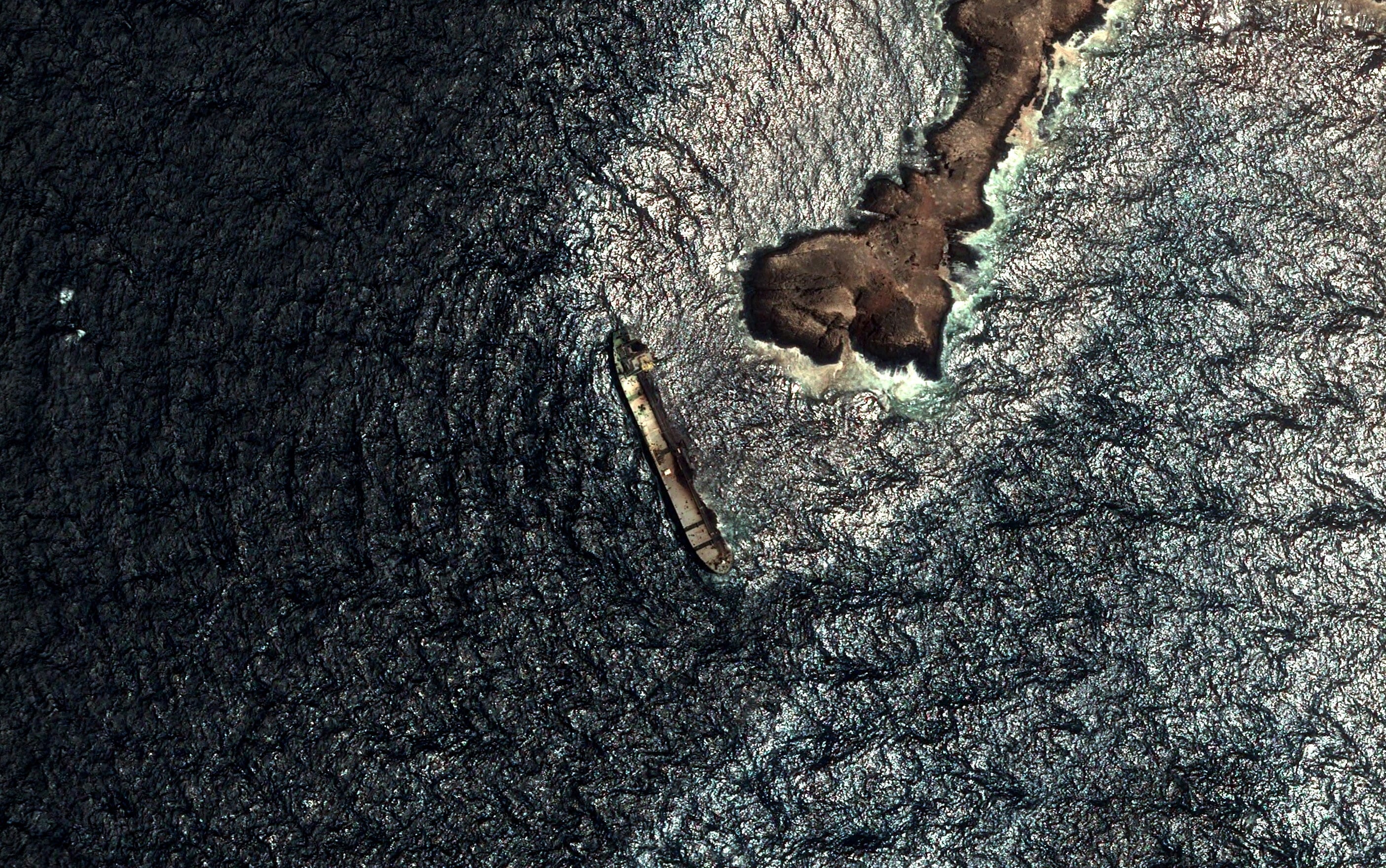
Environmental consequences of the US-Israeli conflict with Iran could persist for years, according to a prominent researcher. Two significant oil slicks in the Arabian Gulf have raised alarms, with one originating from an unclear source and the other from the Caroline Bezengi tanker, which has been leaking oil since an explosion in June.
The slick has grown to over 2,000 square kilometers and is now reaching Oman's coast, potentially causing damage comparable to the 1989 Exxon Valdez spill. Dr. Diana Francis, an environmental expert, warned that air pollution from oil refinery fires, explosions, and the destruction of infrastructure could also last for years, affecting communities near burning fuel and industrial sites, particularly in Tehran and Karaj.
The conflict's broader impact on the environment includes climate effects from fuel fires, damaged oil-and-gas infrastructure, and reconstruction activities, which release greenhouse gases with strong warming effects. Additionally, the conflict has caused environmental damage by targeting environmentally sensitive infrastructure, including oil facilities and industrial sites.
The Arabian Gulf's semi-enclosed and shallow nature makes it particularly vulnerable to the long-term damage from oil spills, which can contaminate sediments and marine food chains. Concerns also exist about the effectiveness and sustainability of clean-up efforts once the conflict ends, given the reduced capabilities for decontamination and the lack of accountability for environmental damage in post-conflict situations.
Written by urgent.news from The National UAE's reporting — not their text. Machine-written — may contain errors; check the original before relying on it.