Ebola im Kongo: Ebola: WHO warnt vor Rekord-Epidemie im Kongo
Die WHO schlägt Alarm: Im Kongo breitet sich Ebola so schnell aus wie nie zuvor. Warum der Kampf gegen die Krankheit so schwierig ist.
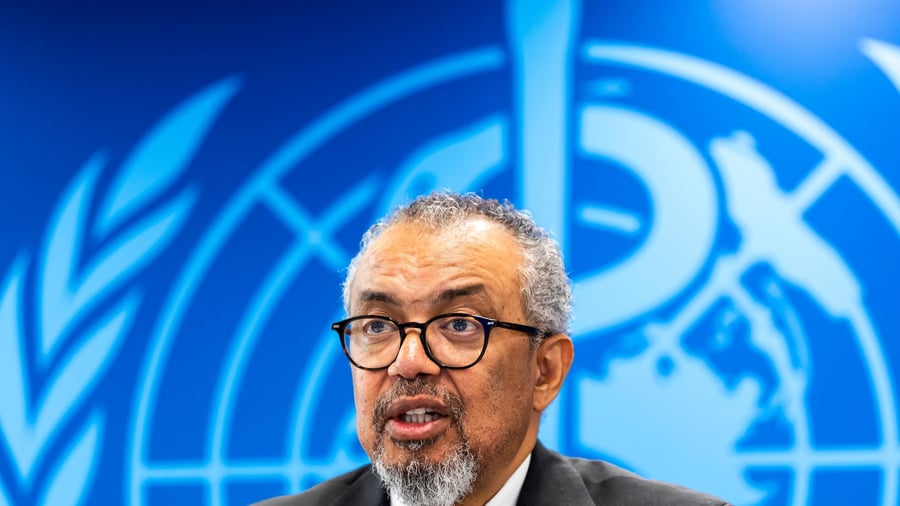
The current Ebola outbreak in the Democratic Republic of Congo may cause unprecedented levels, according to the World Health Organization (WHO). WHO Director-General Tedros Adhanom Ghebreyesus warned that the epidemic in Congo is spreading at a record-breaking speed, threatening to overshadow the 2014-2016 West Africa outbreak, which infected over 28,600 people and killed more than 11,300.
In Congo, around 4,400 people have been infected and more than 2,000 have died so far this year. With insufficient contact tracing of infected individuals, the outbreak remains uncontrolled, warned Tedros. The majority of infections occur in late stages of the disease or during burials. The health workforce shortage is massive, with thousands needed to bring the situation under control.
To stem transmission, 95 percent of contacts must be identified, up from 80 percent in the past. Additionally, thousands more healthcare workers need training, and the number of treatment beds should be tripled to 3,000, he emphasized. The virus spreads through bodily contact and fluids, causing a highly contagious fever, diarrhea, and bleeding.
This outbreak is particularly difficult to contain because there is no specific vaccine or therapy for the Bundibugyo virus strain. Since early July, clinical trials of two antiviral therapies and vaccine development have been underway. No dangerous virus mutations have been observed in Congo so far, according to Sylvie Briand, WHO's senior scientist.
The rapid spread is attributed to significant population movements, ongoing violence in affected areas, and socio-economic factors. The epicenter of the outbreak is in Ituri province, plagued by insecurity and a large number of internally displaced people. Many additional cases are reported in North and South Kivu provinces, where the security situation is also a major concern.
Written by urgent.news from Handelsblatt's reporting — not their text. Machine-written — may contain errors; check the original before relying on it.