Ebola in Congo: Ebola: WHO warns of record epidemic in Congo
The WHO is sounding the alarm: Ebola is spreading in the Congo faster than ever before. Why the fight against the disease is so difficult.
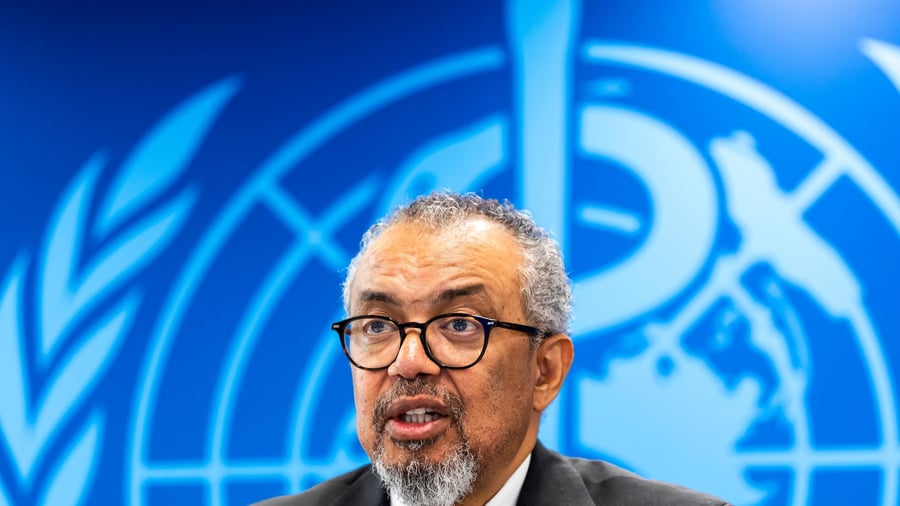
The current Ebola outbreak in the Democratic Republic of Congo could be of unprecedented proportions, according to the World Health Organization (WHO). The epidemic in the Congo is spreading at a record pace, WHO chief Tedros Adhanom Ghebreyesus said. "At the current speed, it threatens to eclipse the 2014-2016 Ebola outbreak in West Africa," he warned at a press conference in Geneva.
More than 28,600 people were infected in West Africa; more than 11,300 died. In the Congo, around 4,400 people have been infected in recent months, according to the latest WHO figures, and more than 2,000 have died from the deadly disease.
Still, too few contacts of infected people are being tracked to stop the outbreak, Tedros said. It is concerning how many deaths still occur in their communities without having been registered on the Ebola contact lists beforehand, the WHO chief said. Most infections come from untreated patients in the late stages of the disease or from funerals.
Healthcare personnel needs run into the thousands. "The outbreak had a head start and is still far ahead of us. We are now trying to catch up," he said. To break the chains of infection, 95 percent of all contacts must be recorded in the future, instead of only 80 percent as before.
It is also necessary to train thousands of additional healthcare workers and to triple the number of treatment beds to 3,000, Tedros said. The virus is transmitted through physical contact and bodily fluids and causes a highly contagious fever with diarrhea and bleeding.
The current outbreak is particularly difficult to contain, also because there is neither a specific vaccine nor a specific therapy for the Bundibugyo type of Ebola virus. Since the beginning of July, two antiviral therapies have been undergoing clinical testing, and vaccines are also being worked on.
So far, no dangerous virus mutations have been observed in the Congo, said Sylvie Briand, the WHO's lead scientist. The causes of the rapid spread, on the other hand, are the strong population movements and ongoing violence in affected areas, as well as social and economic factors.
The center of the outbreak is located in the province of Ituri, which is characterized by insecurity and a large number of internally displaced persons. Many other cases occur in the provinces of North and South Kivu, where the security situation is also a major problem.
Translated by urgent.news. Machine-written — may contain errors; check the original before relying on it.