Commentary: Japan’s earthquake shows extreme heat can turn one disaster into two
As the climate changes, the impact of any disaster will increasingly depend not only on the primary event but also on the climatic conditions in which it unfolds, says a climatology professor.
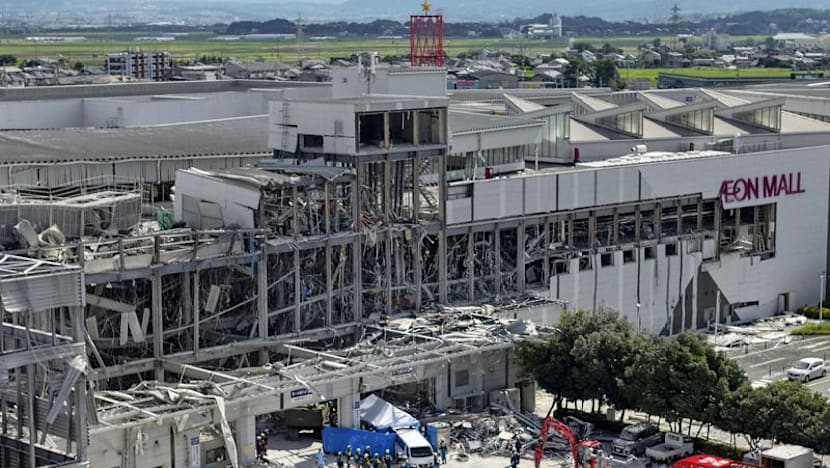
Extreme summer heat exacerbated the devastation caused by a recent earthquake in Kyushu, Japan, according to a climatology professor. On July 30, at least 38 people were killed and thousands were left homeless after the earthquake struck. However, the situation worsened as daytime temperatures soared to 40°C in certain regions, accompanied by high humidity.
The heatwave posed significant challenges for emergency workers involved in rescue operations, as they had to contend with dehydration, heat exhaustion, and heatstroke, particularly among older adults, infants, and those with chronic illnesses.
The heat also hindered sleep, which can exacerbate stress, impair decision-making, and slow recovery from traumatic events. Emergency responders faced physical strain due to the heat, necessitating frequent breaks to avoid fatigue. Moreover, the increased demand for electricity to power cooling systems, combined with power outages, further compounded the difficulties faced by those seeking refuge in evacuation shelters.
The compound nature of the disaster became evident as water infrastructure was damaged, leading to shortages in drinking water, and electricity outages limited access to cooling equipment. These conditions created a secondary emergency that garnered less attention than the earthquake itself but had profound implications for public health and recovery efforts. This example of a compound event underscores the growing interplay between natural hazards and climate conditions.
The Kumamoto earthquake serves as a stark reminder that disaster resilience must extend beyond traditional measures such as stronger infrastructure and earthquake-resistant design. As climate change intensifies the frequency and severity of extreme heat events, emergency planners must now consider the intricate web of risks that arise when multiple hazards intersect.
Preparing for such compound events requires a holistic approach that addresses the unique challenges posed by heatwaves in the aftermath of disasters like earthquakes.
Written by urgent.news from Channel News Asia's reporting — not their text. Machine-written — may contain errors; check the original before relying on it.