A Silver Lining in Afghanistan
Five years after the U.S. withdrawal, al-Qaeda remains weak and the Taliban has become an unexpected partner.
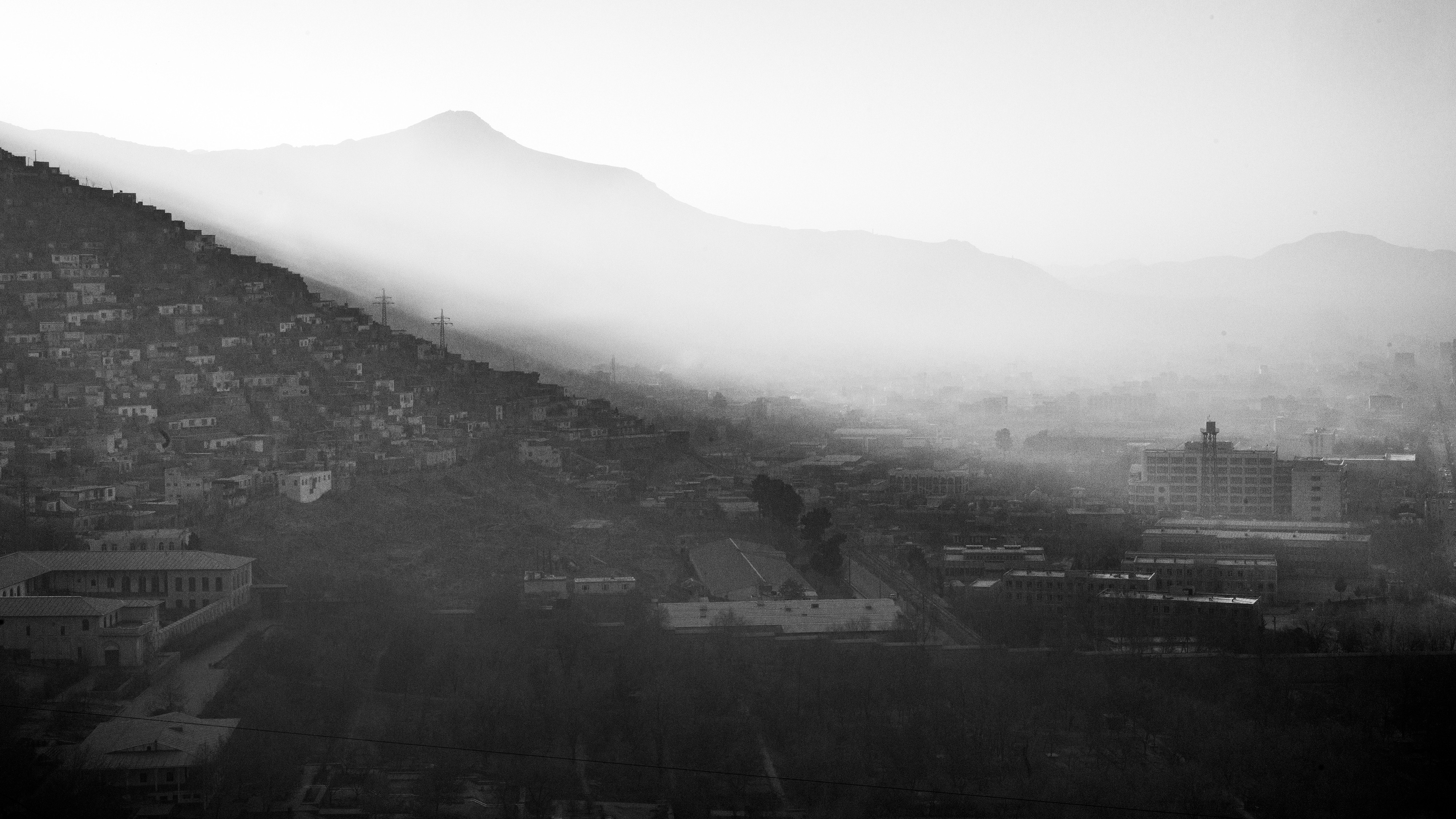
Five years after the United States completed its chaotic withdrawal from Afghanistan, a terrorist group called the Islamic State Khorasan Province (ISKP) carried out a final deadly attack on the Kabul International Airport, killing 13 U.S. service members and around 170 Afghan civilians attempting to flee the Taliban's oppressive rule.
This event served as a grim reminder of why American military was present in Afghanistan in the first place. The Taliban's rule, feared by American policymakers, was believed to have turned the country into a haven for terrorists, similar to the situation before the 2001 U.S. invasion. The Taliban's sanctuary for al-Qaeda and other like-minded networks, since the 1990s, had allowed them to train thousands of fighters and orchestrate devastating attacks, including the 1998 embassy bombings, the 2000 USS Cole attack, and 9/11.
In 2021, CIA Director William Burns cautioned that withdrawing troops would create a significant risk of an al-Qaeda resurgence. When the U.S. withdrew four months later, experts believed Biden had inadvertently provided terrorists a strategic advantage. However, these fears proved to be greatly exaggerated. Under Taliban rule, Afghanistan has not transformed into the global terrorist hub it once was.
Al-Qaeda, weakened since 2001, has not carried out an attack on the U.S. or Europe since the withdrawal. The Taliban has become a valuable, albeit deeply flawed, counterterrorism partner to the U.S. They have turned away from being a major sponsor of global terror and, in response to ISKP's challenges, have arrested and killed ISKP fighters and leaders.
The U.S. has taken advantage of the Taliban's control over the entire country, leveraging their extensive intelligence networks to warn Iran and Russia of ISKP threats, and assisting European states in disrupting terror plots.
Written by urgent.news from The Atlantic's reporting — not their text. Machine-written — may contain errors; check the original before relying on it.