When should you scrap your gasoline car? The answer is almost certainly now.
Researchers calculated the carbon footprint of vehicle trade-ins across a wide variety of scenarios, and EVs emerged as the clear winner
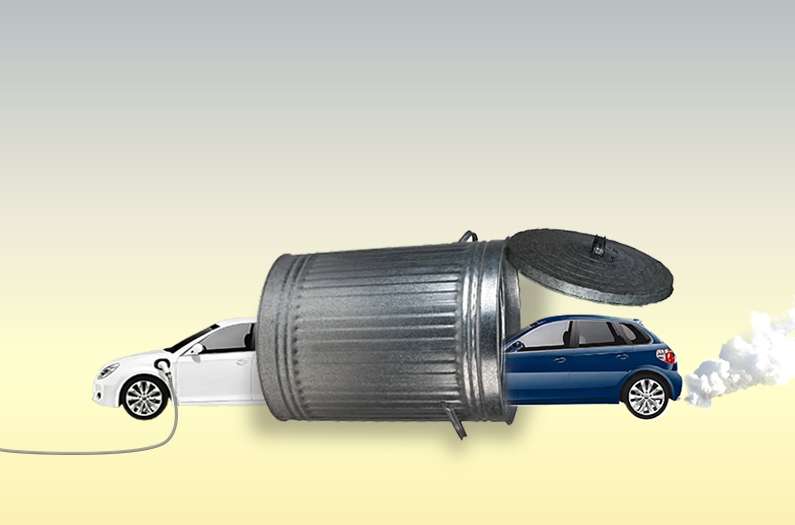
Replacing an older gasoline car with an electric vehicle (EV) almost always results in lower overall carbon emissions, according to a new analysis from researchers at the University of California, Santa Cruz and Santa Barbara. The study, published in Science, clarifies the long-standing debate surrounding the environmental impact of swapping a gasoline vehicle for an EV.
While manufacturing an EV produces more emissions than a gas car, the research found that EVs still have a clear climate advantage, even when accounting for the emissions generated during EV production.
The researchers calculated the life-cycle carbon emissions of keeping a gasoline car on the road for 16 years compared to trading it in for an EV. They considered various vehicle types, replacement timelines, electricity sources, driving habits, battery size, and other factors. Even when replacing a new gasoline car, the EV consistently reduced overall emissions by an average of 58% over the 16-year period.
The break-even point, where the EV's lower operating emissions offset the higher emissions from manufacturing, occurs within about three years of EV ownership. In 92% of the scenarios examined, replacing a gasoline or hybrid vehicle with a battery electric vehicle before the end of its useful life reduced overall carbon emissions. This holds true across most of the United States, regardless of the efficiency of local electric grids.
However, there are some exceptions: the least efficient EVs powered by the dirtiest electric grids; plug-in hybrids; and gasoline cars with minimal annual mileage. The researchers note that the environmental benefits of EVs will grow as electric grids decarbonize and battery recycling technology advances, reducing manufacturing emissions associated with EVs.
The study suggests that even scrapping a hybrid vehicle can yield significant climate benefits. The researchers plan to further investigate the material advantages of EVs compared to gasoline cars, noting that while EVs have a larger battery, a gasoline vehicle consumes a much greater volume of petroleum over its lifetime.
Written by urgent.news from Anthropocene Magazine's reporting — not their text. Machine-written — may contain errors; check the original before relying on it.