UK shows pitfalls in DA privatisation
Privatisation has the potential to backfire, so it needs careful consideration.
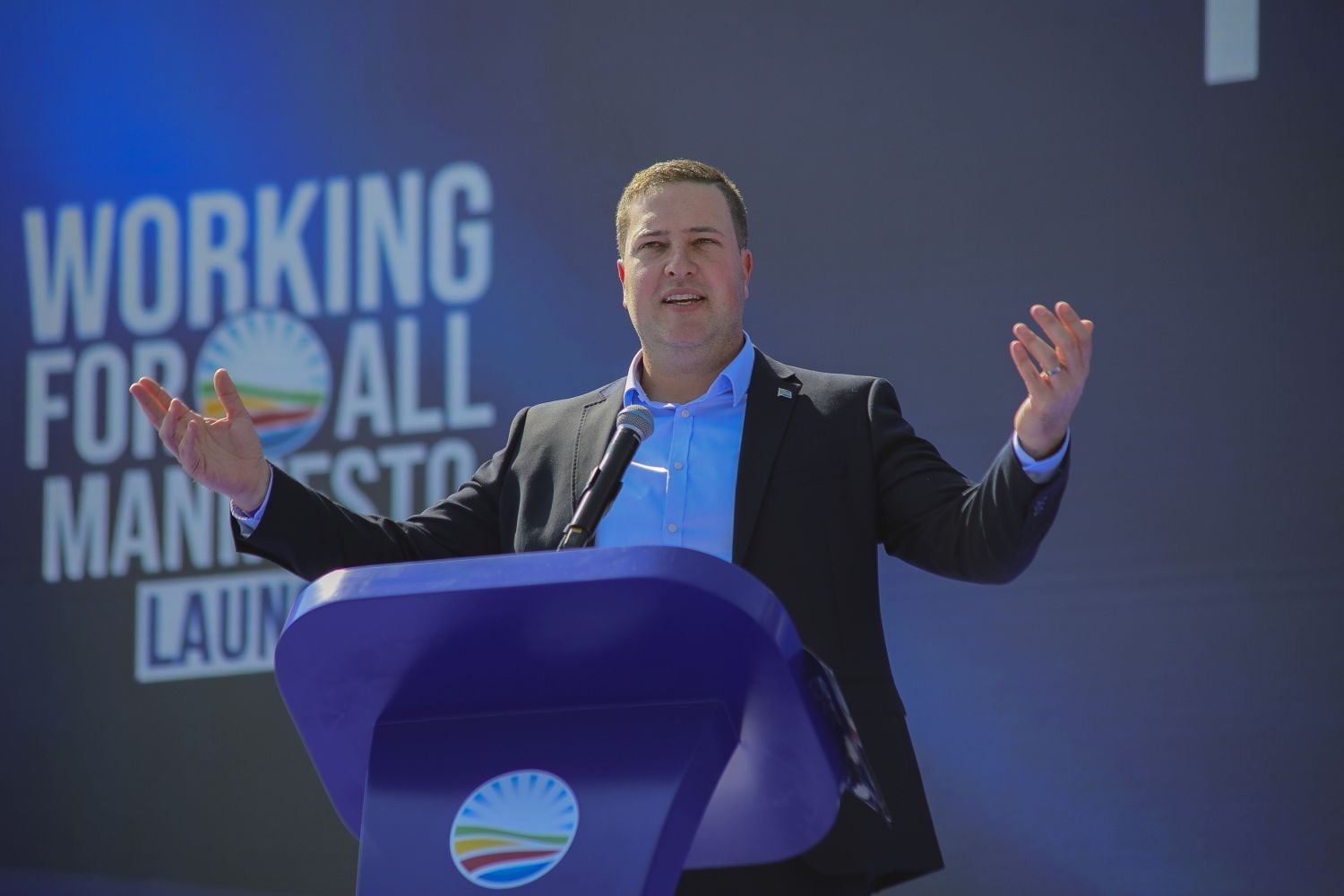
The Democratic Alliance's (DA) proposal to privatise government services, effectively a form of privatisation, has garnered support from those who favour conservative capitalism and those frustrated by the bureaucracy's inefficiency. The logic behind this suggestion is that business, driven by profit, would address the issues caused by the ANC's cadre deployment policy, such as poor service delivery and high wages.
However, the experience of privatisation in South Africa and the UK raises doubt over whether such control over expenditure would reach the end-users.
Businesses, regardless of size, are focused on increasing their owners' wealth, and the significant pay gap between executives and their lowest-paid employees highlights this. The new private sector employers of these services would likely pay their employees the minimum wage while executives enjoy substantial pay packages. Additionally, private sector bosses, with no competition and a captive market, may be tempted to cut corners or increase prices to maximise profits.
This pattern has been observed in the UK, where privatised rail services are now among the most expensive and least efficient in Europe, and sewage disposal companies are failing to meet their obligations. Consequently, privatised water supplies in the UK have deteriorated, with consumers complaining. Given these examples, privatisation carries the risk of backfiring, necessitating thorough consideration before implementation.
Written by urgent.news from The Citizen's reporting — not their text. Machine-written — may contain errors; check the original before relying on it.