Trump's remaining economic levers in Iran fraught with risks
US President Donald Trump is doubling down on using economic pressure on Iran to reopen the Strait of Hormuz , but the remaining levers at his disposal carry a set of risks. Iran remains the second-most sanctioned country on the planet. More than 6,000 sanctions have been issued against its financial, energy and petrochemical, aviation and cryptocurrency sectors. This is in addition to a…
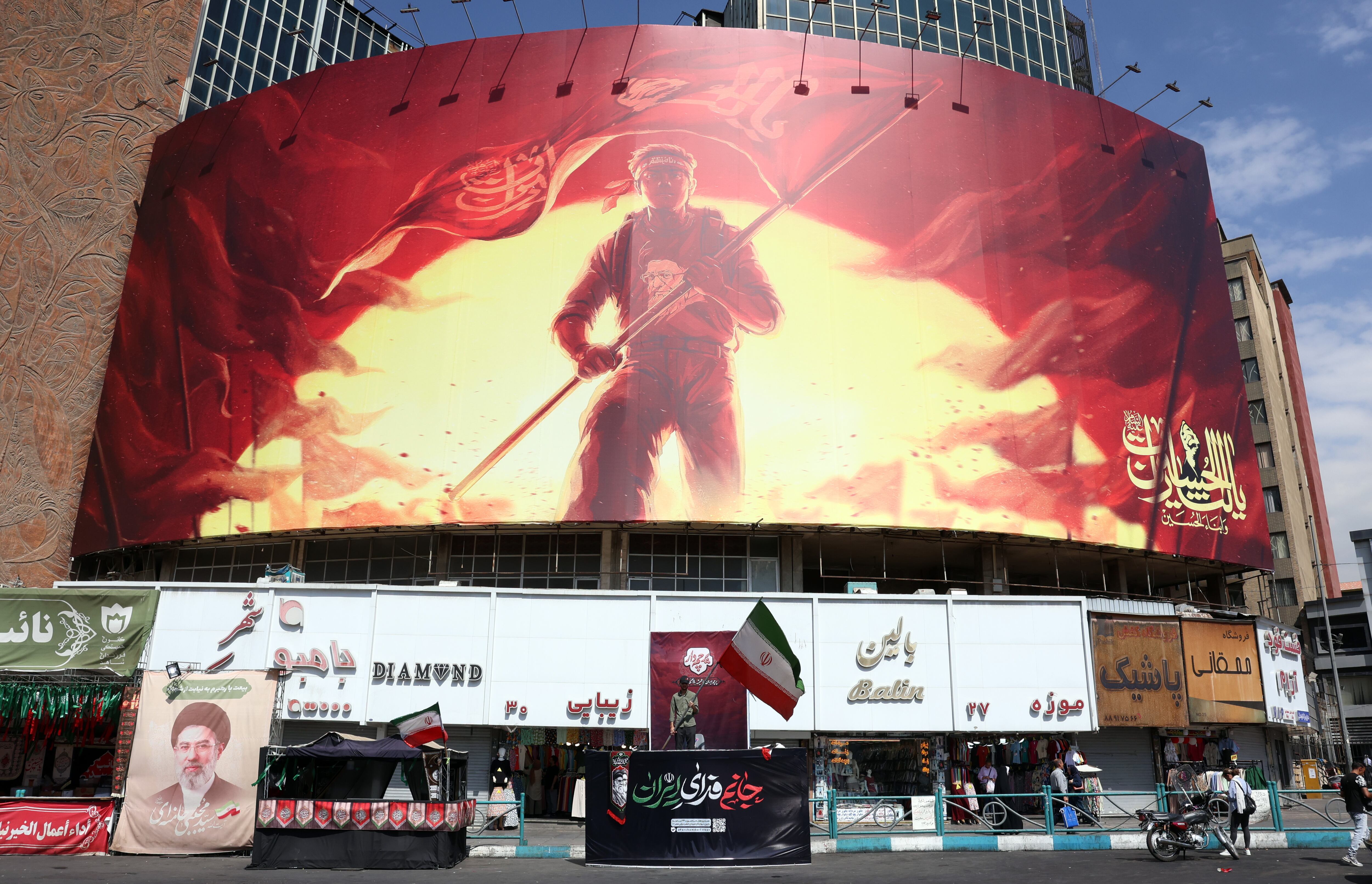
US President Donald Trump is determined to continue using economic pressure on Iran to reopen the Strait of Hormuz, but the remaining options at his disposal present significant risks. Iran is the second-most sanctioned country in the world, with over 6,000 sanctions targeting its financial, energy, petrochemical, aviation, and cryptocurrency sectors, along with secondary sanctions that discourage third countries from trading with Tehran.
Economic indicators in Iran are alarming, with inflation surging by 53.9 percent in May 2021 compared to 36.8 percent in the same period last year, and the International Monetary Fund projecting a 6 percent contraction for the year. The rial has plummeted to an all-time low against the dollar.
The regime is desperate for cash, with economic turmoil and skyrocketing inflation crippling its ability to pay troops. Iran has proven resilient to sanctions in the past, but the regime remains defiant. With negotiations on a lasting ceasefire stalled and the leadership facing an existential crisis, the question remains: which economic levers will Trump use, and at what cost?
The Treasury has recently targeted crypto exchanges and clandestine currency networks, clamping down on Iran's shadow banking system. This system allows Iran to evade sanctions through exchange houses and foreign companies that facilitate oil and other product exports abroad, laundering the proceeds to support proxy groups and military and weapons programs.
The Treasury has taken eight actions this year targeting Iran's shadow banking structure, questioning whether new designations will have a meaningful impact on Iran's economy.
Additional measures under Section 311 of the Patriot Act, which authorizes the Treasury secretary to designate foreign financial jurisdictions for money-laundering concerns, could be employed. However, the blockade has already cost Iran $435 million in economic activity per day, and Iran's oil exports have plummeted from two million barrels per day to 200,000 barrels as a result. This blockade has also severed a crucial purchaser in China, which accounts for about 90 percent of Iran's oil exports.
Written by urgent.news from The National Business's reporting — not their text. Machine-written — may contain errors; check the original before relying on it.
This story
This is one outlet's version. Read the fullest account.
- Trump's remaining economic levers in Iran fraught with risks thenationalnews.com