The costs of ‘execution first, planning later’
It is true that a hefty share of public spending went into FGDs, seminars and workshops that produced little. But his own government now suffers the opposite failure of executing before it plans, then improvising the plan as the execution collapses. Yet the damage is already done, heavily.
The Indonesian government, in its pursuit of rapid execution, has suffered the consequences of planning inadequately, resulting in severe damage. Former presidential candidate Prabowo Subianto criticized the government for holding too many focus group discussions (FGDs) without corresponding action. However, two years into his presidency, the situation has turned around, with the government now facing the opposite issue of executing before planning and improvising plans as the execution fails.
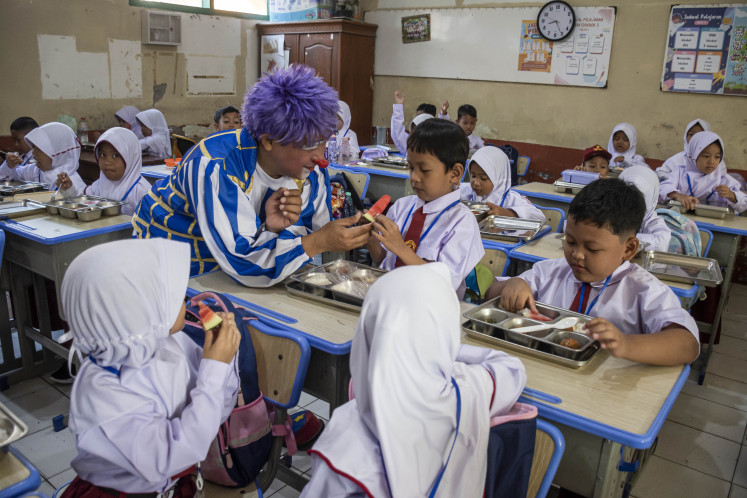
The evidence of this can be seen in two of Prabowo's flagship programs: the free nutritious meal program and Red and White Cooperatives, which have each consumed nearly 10% of the 2026 state budget, amounting to around Rp 370 trillion ($20.6 billion). The government's failure to complete planning before rollout has led to a high margin for error, with disastrous consequences.
For instance, the free meal program saw 11,000 children suffer from food poisoning within two months of national rollout, while another 1,242 cases were reported in January 2026 alone. Tragically, two deaths have been linked to the program. The BGN's arrears to operators and stalled kitchens have resulted in financial losses, further highlighting the disastrous impact of the government's execution-first approach.
Written by urgent.news from The Jakarta Post's reporting — not their text. Machine-written — may contain errors; check the original before relying on it.