Singapore manufacturers adjust to higher US tariff, hold off on major production shifts
Some firms are looking to improve productivity in response to the new 12.5 per cent duty, while businesses also face challenges working out which products are affected and how much they have to pay.
Singapore manufacturers exporting to the United States are taking steps to manage higher costs from a new 12.5% US tariff, but some are delaying major production shifts. The tariff, which took effect on July 24, resulted from a US Section 301 investigation into 60 trading partners' restrictions on imports of goods produced with forced labor.
Singapore faces the higher 12.5% rate, while about one-third of the country's domestic exports to the US are affected by the new tariff. Some products, such as pharmaceuticals, semiconductors, and certain electronics, are exempt from the duty. The Ministry of Trade and Industry (MTI) stated that Singapore does not condone forced labor and has an enforcement framework against such practices.
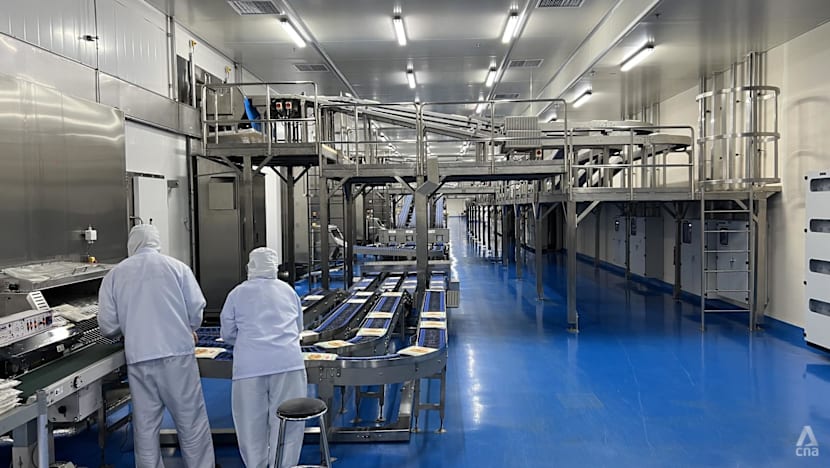
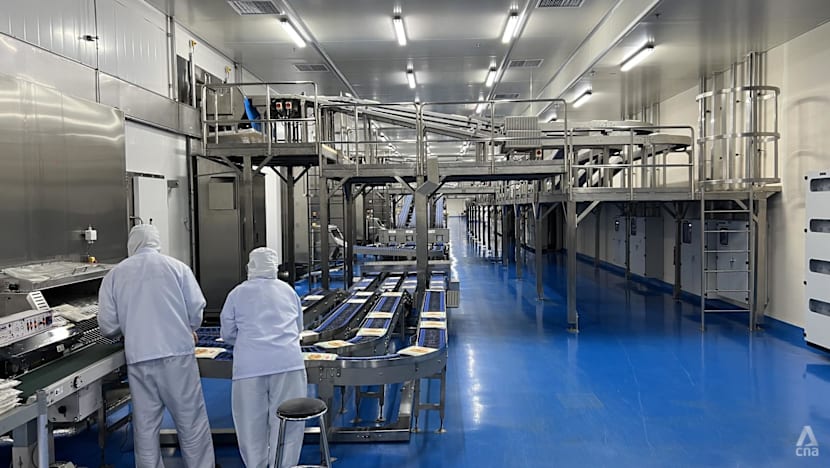
Tee Yih Jia, a food manufacturer, is among the businesses facing added cost pressures from the tariff, on top of elevated ocean freight rates. The company is looking at automation, demand forecasting, and other ways to improve productivity while maintaining product quality and supply. Medical device manufacturer Fong's Engineering and Manufacturing, which makes up over half of the company's business, is also taking a longer-term approach, stating the nature of its industry makes it difficult to shift production quickly.
Both companies emphasized that changing manufacturing locations is difficult, as it can take years to establish new sites and complete regulatory approval processes.
Written by urgent.news from Channel News Asia's reporting — not their text. Machine-written — may contain errors; check the original before relying on it.