Middle East cannot remain in state of ‘neither war nor peace’ indefinitely, says Gargash
Dr Anwar Gargash, diplomatic adviser to President Sheikh Mohamed , has said the region cannot remain in a state of “neither war nor peace” indefinitely, warning that its stability and the future of its people require a clear vision and direction. In a post on X on Tuesday, Dr Gargash said the next phase should not be built on “fragile foundations” or arrangements disconnected from international…
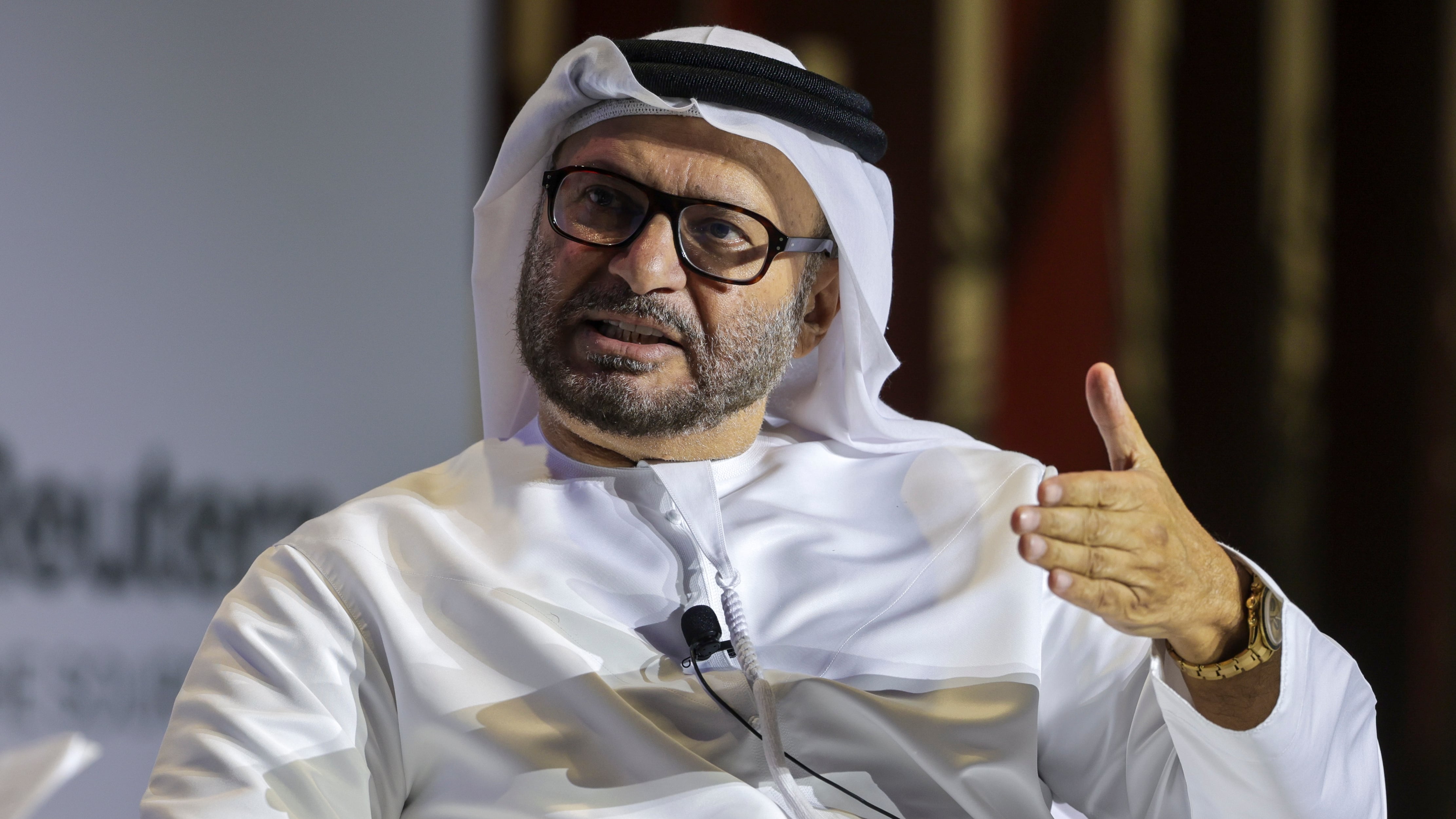
Dr Anwar Gargash, the diplomatic adviser to President Sheikh Mohamed, has cautioned that the Middle East cannot continue in a perpetual state of "neither war nor peace" without risking the region's stability and the well-being of its inhabitants. In a recent social media post, Dr Gargash emphasized that the next phase should not be founded on "fragile foundations" or agreements that disregard international law, peaceful coexistence, and respect for sovereignty.
Tensions between the United States and Iran have been escalating, with both nations making increasingly aggressive demands. The US and Israel began a military campaign against Iran on February 28, and President Donald Trump has vacillated between threats of further escalation and promises of an imminent peace agreement. Iran has retaliated with missile and drone attacks against countries in the region, as well as at vessels transiting the Strait of Hormuz.
Despite a ceasefire agreement reached in June, the situation has deteriorated further in July, with Iran declaring the strait closed and the US reinstating a blockade on Iranian shipping. Dr Gargash added that the subsequent phase should be based on "clear and shared rules," rather than arrangements that lack a solid foundation.
Iran is seeking compensation for damages and an end to US sanctions as a precondition for reopening the strait, conditions that align with the terms of the preliminary peace deal signed in June. Meanwhile, US President Trump has his own set of demands, including payments for damages caused over a 50-year period, encompassing civilian casualties and those suffered by US forces in the region.
Oil prices saw a 5% increase on Monday amid the heightened uncertainty, as the prospects of a peaceful resolution to the standoff between the United States and Iran dimmed.
Written by urgent.news from The National Business's reporting — not their text. Machine-written — may contain errors; check the original before relying on it.