How and When to View the Perseid Meteor Shower (August 2026)
The Perseids will peak between August 12 and 13. Here’s what time—and where—you can get the best view, and why 2026 will be an exceptional year.
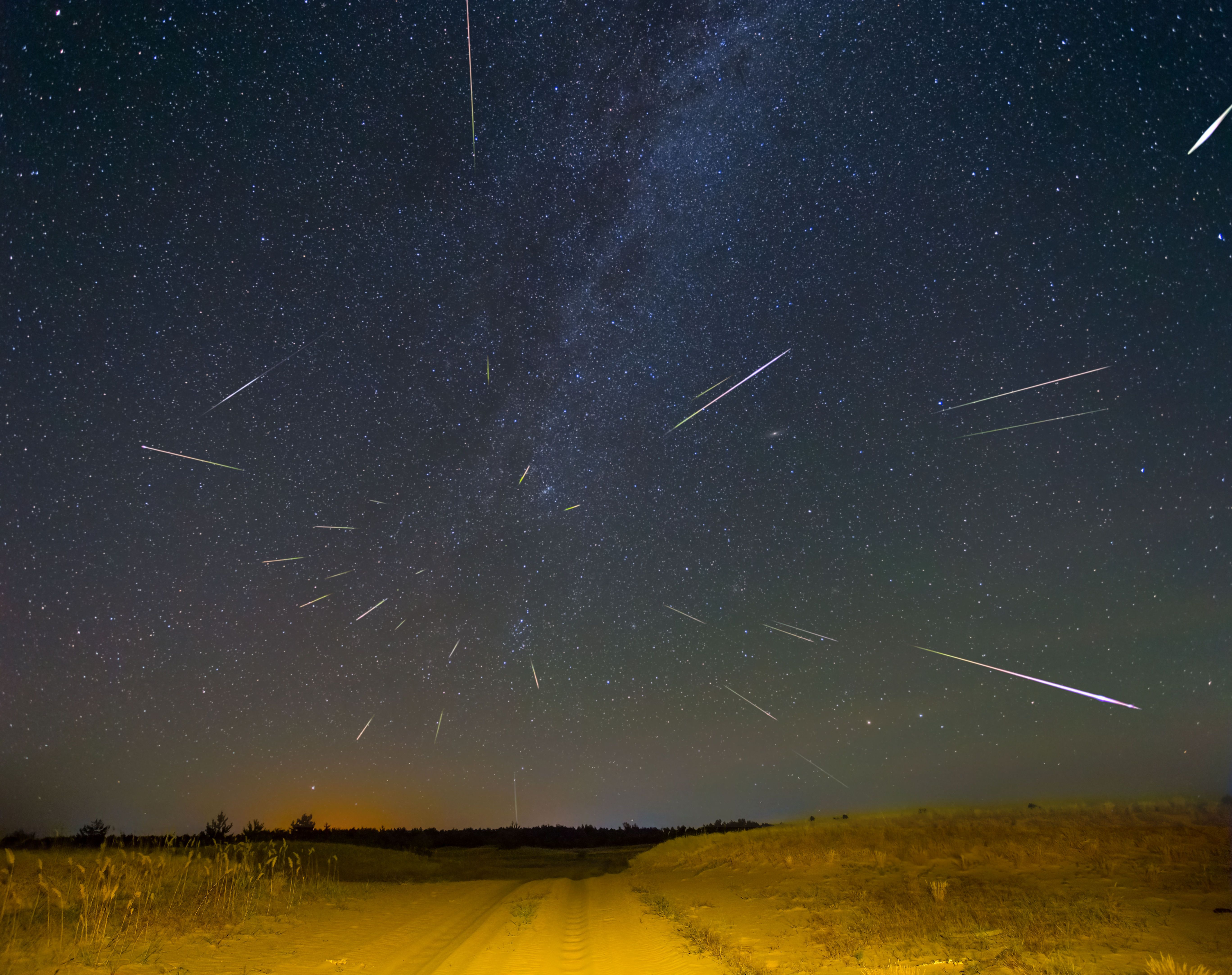
In August 2026, Earth is passing through a stream of particles left behind by a comet, creating the Perseid meteor shower. As these tiny fragments enter our atmosphere, they burn up, leaving behind bright flashes of light. While meteor showers can be observed with the naked eye, some tips can enhance the experience.
2026 will be a particularly good year to view the Perseids. The peak activity is expected on the night of August 12-13, coinciding with a new moon phase. This means the sky will be exceptionally dark, with no moonlight to interfere.
For optimal viewing, it is recommended to move away from city lights and find a location with minimal light pollution. It takes the human eye about 20-30 minutes to fully adapt to darkness, so give yourself time to adjust. Avoid using electronic devices with bright screens, as they can reduce the sensitivity of your eyes.
Telescopes and binoculars are not necessary for observing meteor showers, as they narrow your field of view. Instead, lie down or use a reclining chair to scan a wide area of the sky. The meteors can appear anywhere, so having a larger field of vision increases your chances of seeing them. Aim to stay out after midnight, when the radiant point of the Perseids is higher in the sky, increasing the frequency of visible meteors.
Finally, patience is key. Meteors may not appear at a steady rate. There may be long gaps of inactivity followed by sudden bursts of activity. By staying under a dark sky for at least an hour, you maximize your chances of enjoying this celestial display.
Written by urgent.news from Wired Science's reporting — not their text. Machine-written — may contain errors; check the original before relying on it.
This story
This is one outlet's version. Read the fullest account.