Granular Mechanics and Regolith Operations (GMRO) Capabilities
Capabilities The post Granular Mechanics and Regolith Operations (GMRO) Capabilities appeared first on NASA Science .
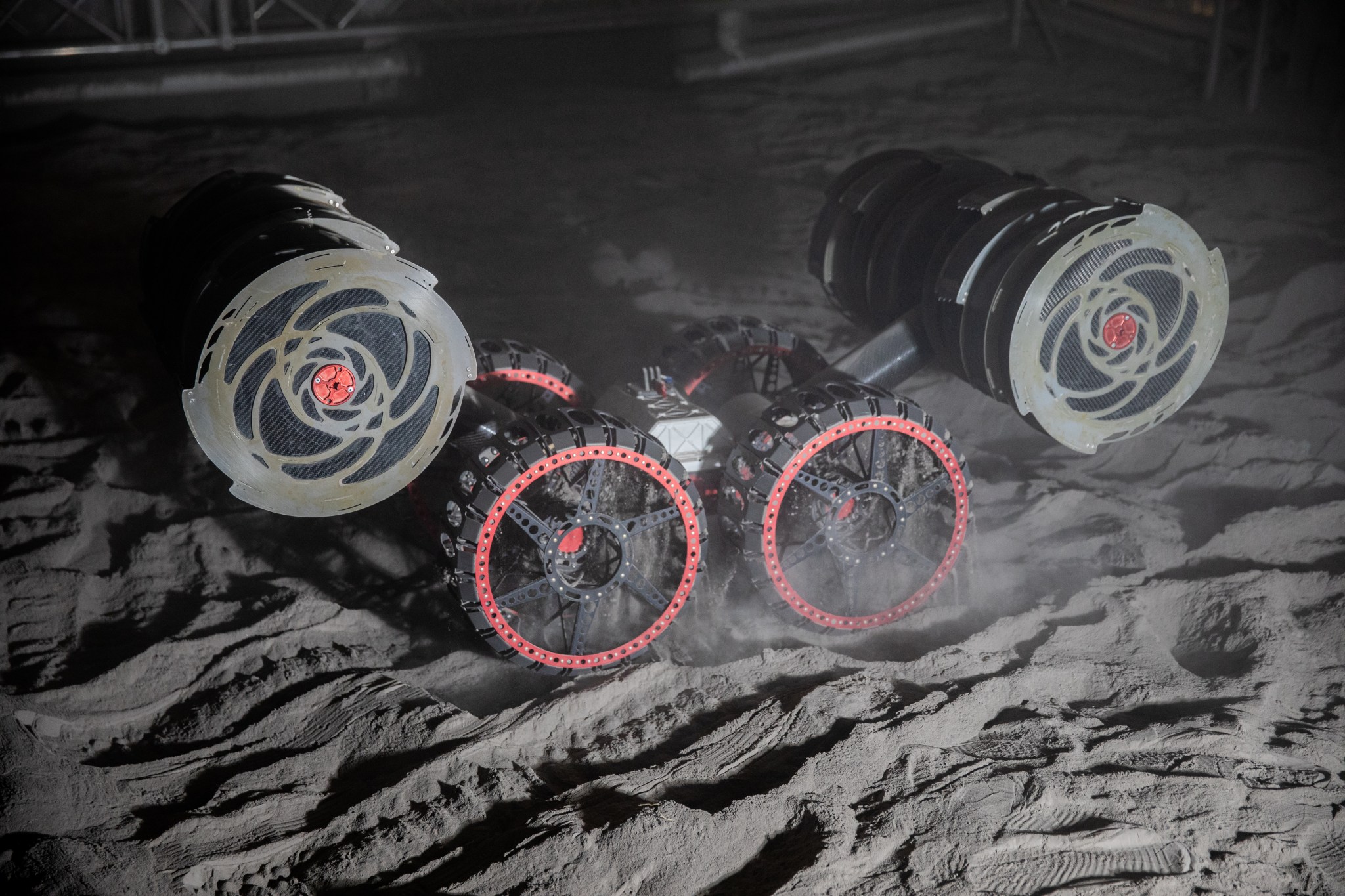
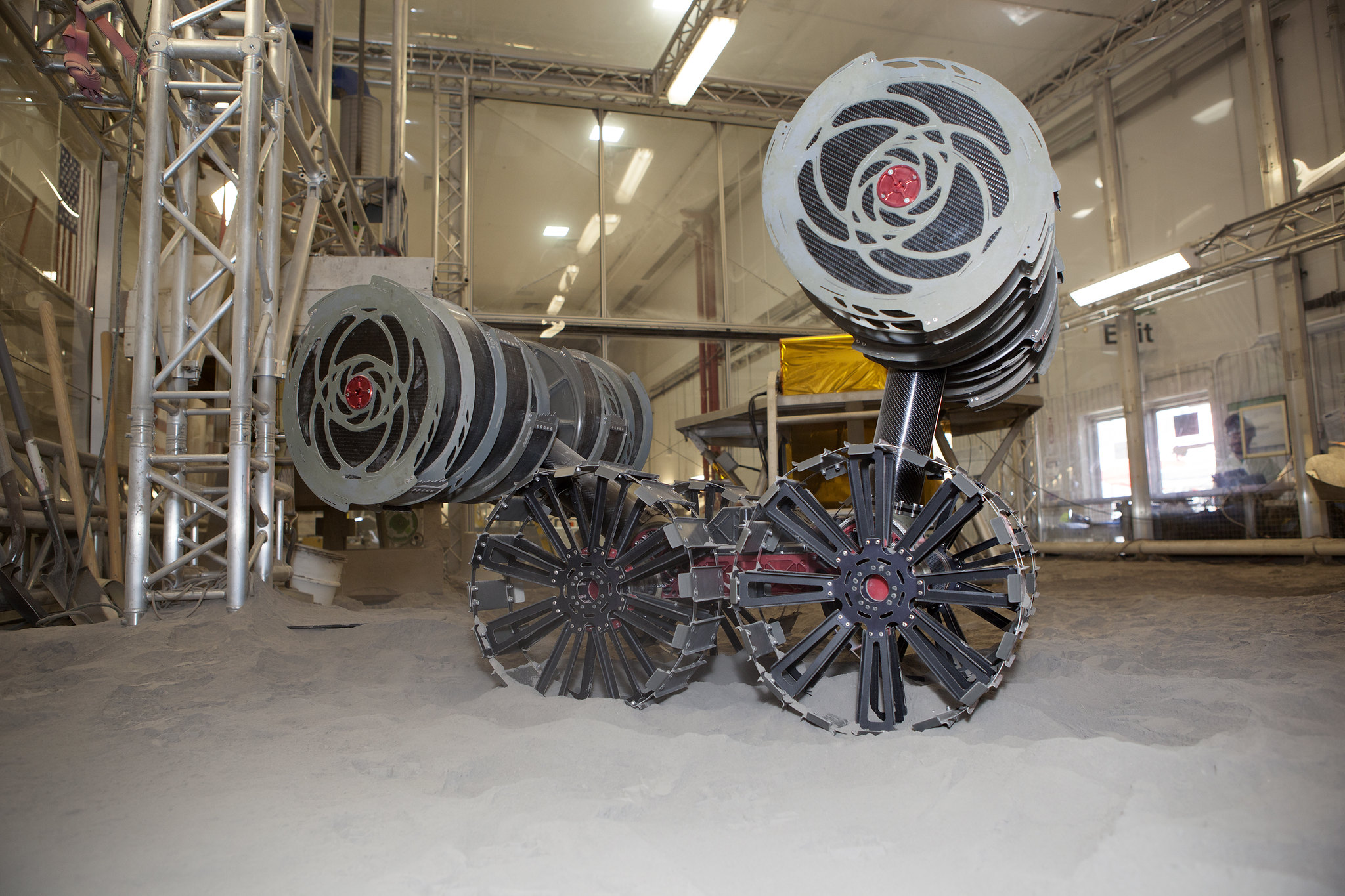
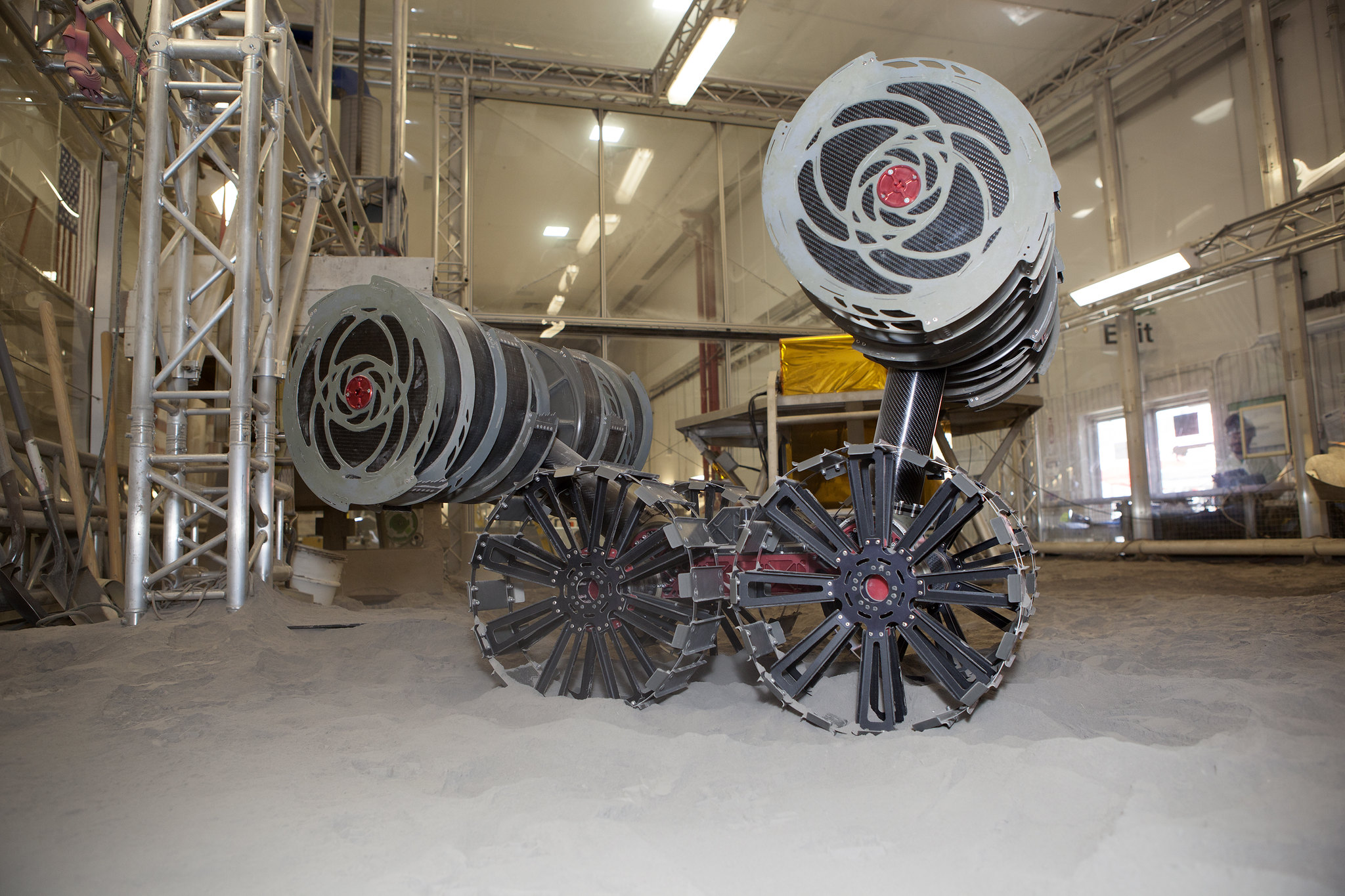
Granular Mechanics and Regolith Operations (GMRO) capabilities at NASA showcase an extensive array of equipment and equipment combinations for simulating extraterrestrial soil conditions. Two test bins, one holding 120 tons of BP-1 simulated soil and the other containing 2 tons of JSC-1a simulated soil, provide a range of environments for testing dusty mechanisms. Advanced instruments like a Fine Particle Analyzer, sieves, shakers, and soil compressors enable precise analysis of soil properties.
The GMRO program features an impressive suite of soil mechanical testers, including a proctor compactor, limit devices, vibration tables, triaxial shear tester, direct shear tester, consolidation tester, and permeation cells. Rocket plume testers, penetrometers, and coring devices further aid in understanding regolith behavior under different conditions.
Personal testing tools such as ultrasonic baths, drying ovens, furnaces, wet/dry sieving, dehumidifiers, microscopy equipment, and hydrometer test sets contribute to comprehensive soil analysis.
Visual analysis capabilities include high-speed cameras, video graphic analysis software, dust hoods, and sandblast hoods. Three industrial robots, Fanuc UR10 and Kuka Industrial Robot Arm, support complex manipulations. Three-D printers, including Lulzbot and Ultimaker models, create custom components for testing. High-end computer workstations run physics simulation software like PFC2D, PFC3D, EDEM, Mathematica, LabVIEW, and Fortran-based custom software, allowing for realistic modeling of regolith behavior.
Rapid prototype capabilities include a CNC router, two CNC mills, a lathe, band saws, and a shop area for creating physical components. Collaboration spaces with large video walls and outdoor assembly areas foster teamwork. Cryogenic temperature dusty environmental chambers simulate extreme conditions, while state-of-the-art actuator testing capabilities cover a range from 1 millitorr vacuum to 40 Kelvin temperatures.
These include torque inputs of over 300 Newton meters, efficiency measurements through torque transducers, and real-time tooth decay measurements for actuator performance assessment.
Written by urgent.news from NASA Science's reporting — not their text. Machine-written — may contain errors; check the original before relying on it.