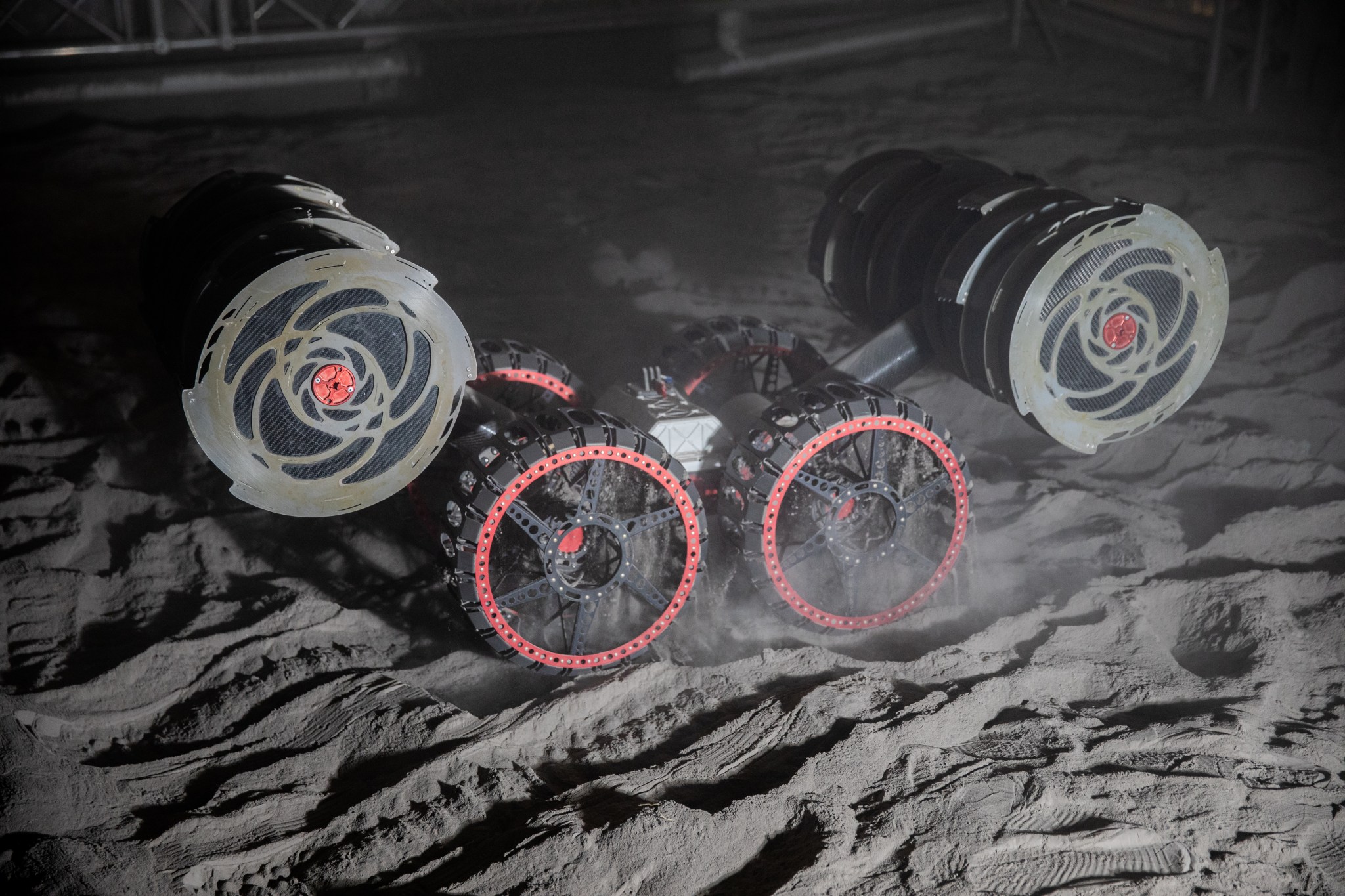
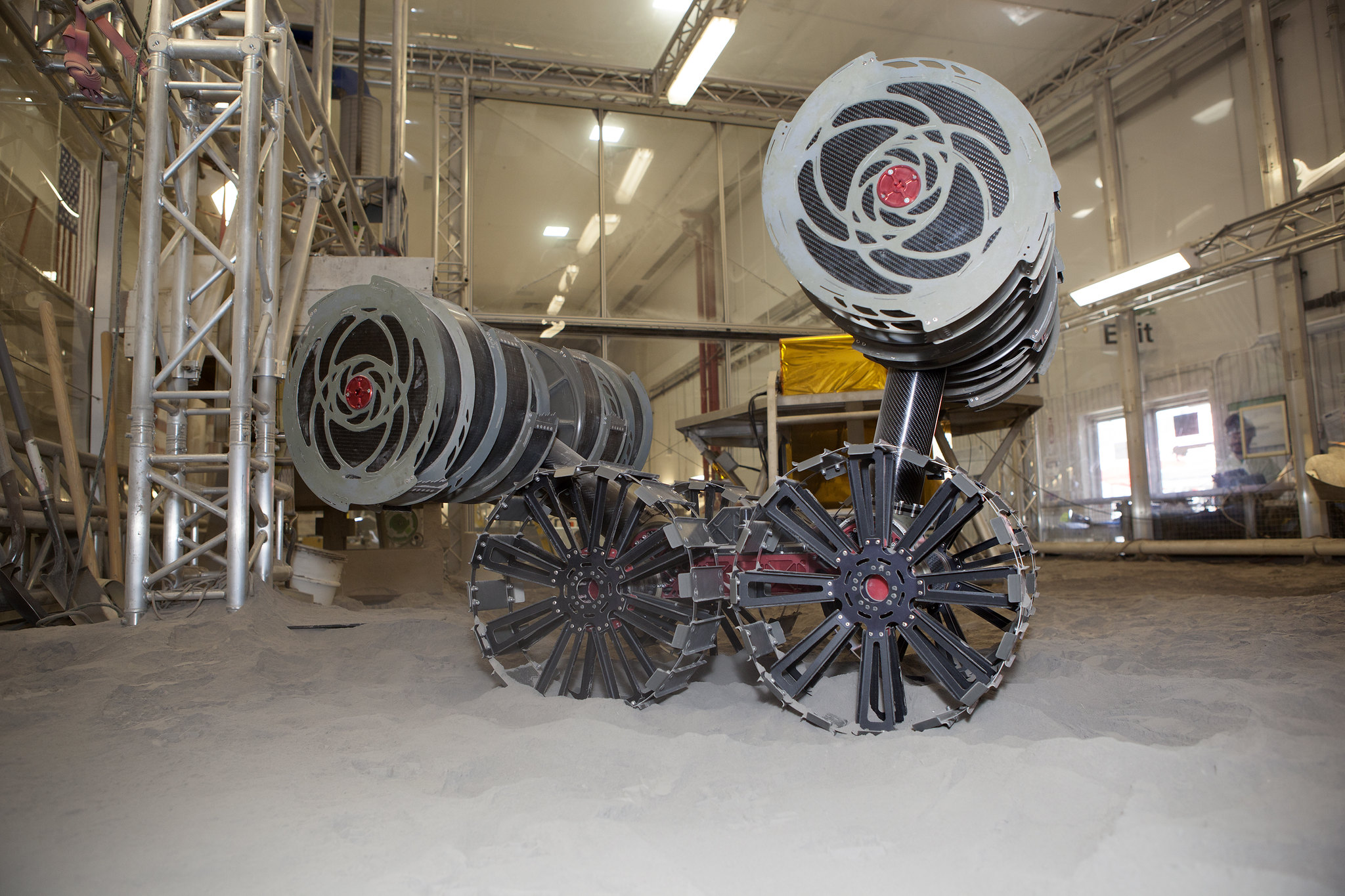
Granular Mechanics and Regolith Operations (GMRO) Overview
Overview The Granular Mechanics and Regolith Operations Laboratory (GMRO) studies the mechanics of materials in a launch pad environment, especially the mechanics of soil at Lunar and Martian spaceports; how to excavate the soil to prepare berms, landing pads, and roads; how to model the blowing of soil or other materials in a rocket exhaust […] The post Granular Mechanics and Regolith Operations…
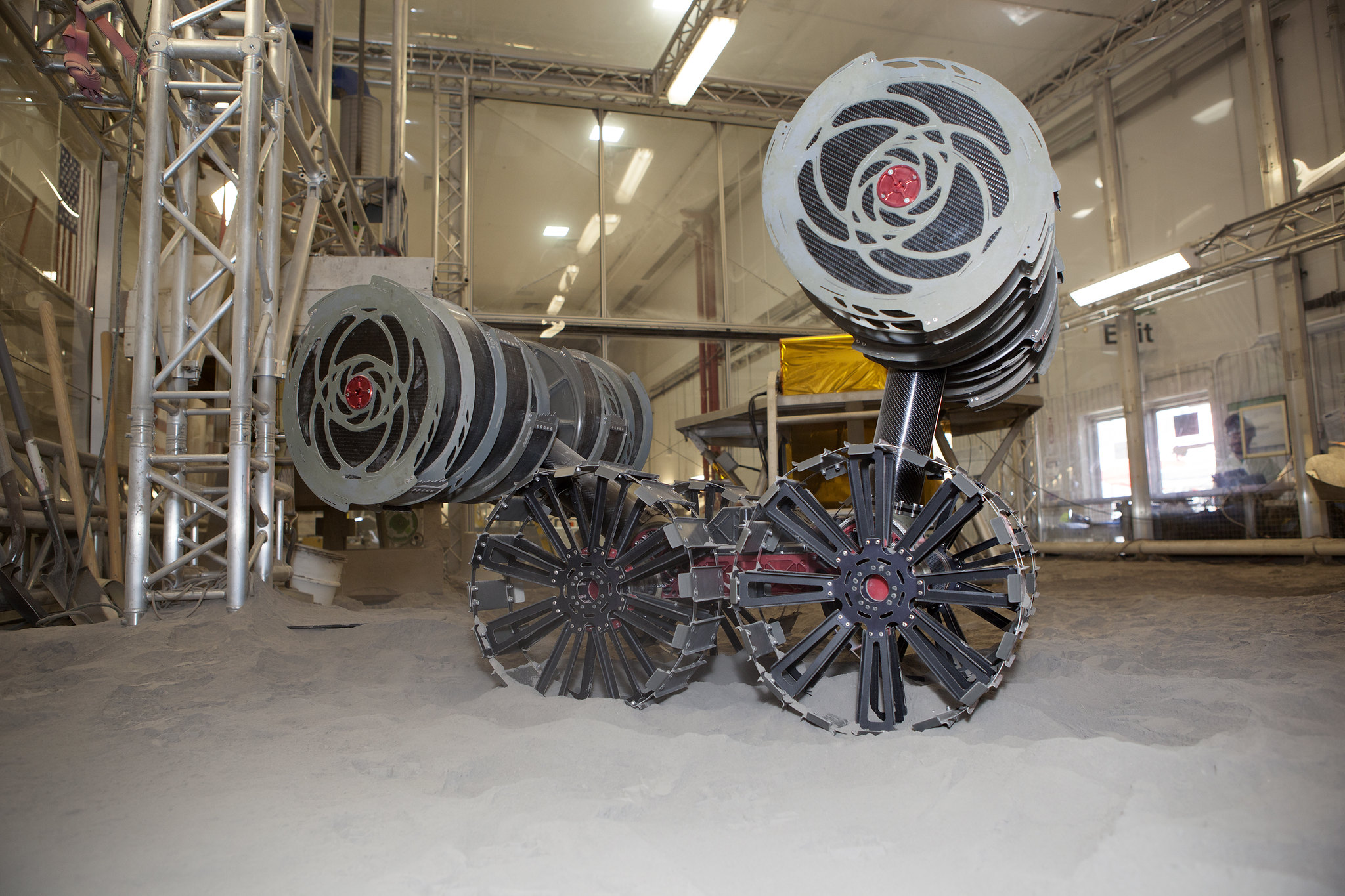
Granular Mechanics and Regolith Operations (GMRO) is a laboratory at NASA's Kennedy Space Center in Florida that focuses on the mechanics of materials in a launch pad environment, particularly the soil found on Lunar and Martian spaceports. The lab conducts research on excavating soil to prepare berms, landing pads, and roads, as well as modeling the effects of soil or other materials being blown by rocket exhaust plumes to predict blast effects.
In addition to studying the basic physics and geology of Lunar and Martian soil, the GMRO also develops technologies for handling regolith, such as excavator technologies, pneumatic transport of soil, and magnetic handling of soil. The lab investigates various properties of the soil, including particle sizing, particle shapes, bulk mechanical properties, soil compaction, field sampling technologies, and laboratory testing protocols.
Another key aspect of the GMRO's work involves advancing manufacturing methods using regolith for 3D Additive Construction technology. This includes developing sintering regolith materials and digital manufacturing of voxel elements. The lab also focuses on creating robotic technologies to support surface systems and operations on planetary bodies, moons, asteroids, and comets. These robotic construction and site preparation technologies are being actively pursued in support of future NASA missions.
Written by urgent.news from NASA Science's reporting — not their text. Machine-written — may contain errors; check the original before relying on it.