Could Psilocybin Help Treat Anorexia? A Small Clinical Trial Suggests the Psychedelic May Make Patients More Open to Recovery
The drug, paired with intensive psychological support, may loosen the rigid patterns of thought associated with the eating disorder, scientists say—but they caution that it is not a magic cure
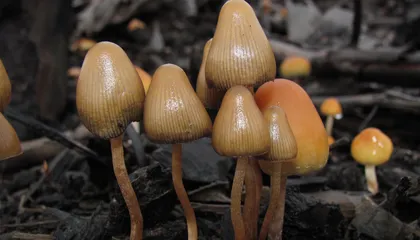
In a recent clinical trial conducted by researchers at Imperial College London, psilocybin, the psychoactive compound in "magic mushrooms," showed promising results in helping patients with anorexia nervosa. The study, published in The British Journal of Psychiatry, aimed to determine if the psychedelic could improve eating disorder symptoms in individuals who had not responded well to traditional treatments.
During the six-week trial, participants were administered psilocybin in a series of guided sessions, with a strong emphasis on the therapeutic relationship with food and their relationship with eating. This approach was crucial, as patients with anorexia often develop rigid and inflexible thinking around food and exercise, making it difficult for them to accept any changes to their habits.
At the end of the trial, 18 out of 21 participants experienced improvements in their anorexia symptoms. The researchers noted that psilocybin, when combined with intensive psychological support, may offer a new treatment option for one of psychiatry's most challenging conditions. Previous research has demonstrated psilocybin's potential to treat depression, post-traumatic stress disorder, alcohol use disorder, and anxiety, suggesting that it could also be beneficial in addressing eating disorders.
The trial enrolled 21 women with anorexia nervosa who had persistent symptoms for more than three years and had not achieved long-term remission through previous treatments. To prepare for the psilocybin sessions, participants engaged in therapy sessions with a psychiatrist and therapist, focusing on building a strong therapeutic alliance and addressing their control issues, which are common in anorexia nervosa.
The psilocybin doses ranged from one milligram to 25 milligrams, administered over three sessions separated by two weeks. Each session involved participants reclining with eye masks and headphones, experiencing the drug while listening to a tailored playlist. The sessions were designed to encourage open-mindedness and the possibility of new perspectives, as the drug could take participants in unexpected directions.
While the results of this study are promising, further research is needed to confirm the effectiveness of psilocybin in treating anorexia nervosa in humans. The ongoing trial and subsequent research will help establish the role of psilocybin in addressing one of psychiatry's most challenging conditions.
Written by urgent.news from Smithsonian's reporting — not their text. Machine-written — may contain errors; check the original before relying on it.