A strong China is the best hope for the ‘long peace’ to endure
The “long peace” is a term coined by Yale professor and Cold War historian John Lewis Gaddis in his 1987 book The Long Peace: Inquiries into the History of the Cold War. It refers to the fact that, from the end of World War II in 1945 into the 1980s, more than 40 years passed without a third world war between the United States and Soviet Union. For centuries before 1945, great powers fought…
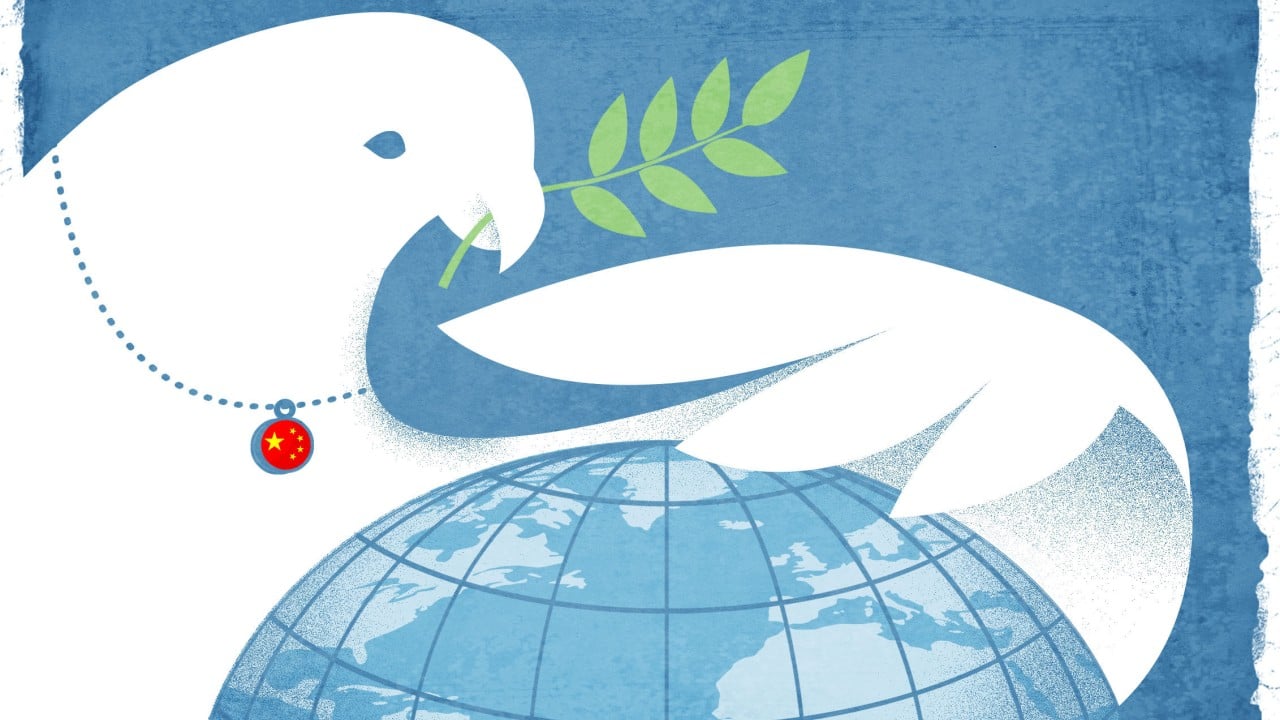
The "long peace" is a historical phenomenon coined by Yale professor John Lewis Gaddis, referring to the more than 40 years between the end of World War II in 1945 and 1980 during which there were no major wars between the United States and the Soviet Union. Prior to 1945, great powers had fought destructive wars like the Napoleonic Wars and World Wars I and II roughly once every generation.
Gaddis' observation is accurate, but the Cold War period was still rife with tension and proxy wars across the globe, with the risk of nuclear conflict always looming.
Gaddis' "long peace" began in China in 1978 when Beijing started its "reform and opening up" period. This era of peace has been a rarity in Chinese history, with dynasties typically punctuated by peasant uprisings and regime changes. Even after the founding of the People's Republic of China, military conflicts still occurred roughly once every decade, including the Korean War, Sino-Indian War, and Sino-Vietnamese War.
After 1978, China shifted its core priority to economic development, with diplomatic crises such as NATO's bombing of the Chinese embassy in Yugoslavia and the fatal Sino-US military aircraft collision in the South China Sea in 2001 not distracting from this strategic focus.
The question now is whether this era of peace can continue. The answer partly lies in maintaining the third long peace between China and the US since the end of the Korean War. Despite various bilateral tensions, direct conflict has never broken out between the two nations. While US President Donald Trump's state visit to Beijing in May marked Washington's recognition of China as a peer power, it is unclear whether this "constructive" strategic stability can be sustained, as China's nuclear weapons stockpile remains far behind that of the US and Russia.
However, China's expansion of its nuclear arsenal is unlikely due to the risk of unchecked escalation, similar to the New Start treaty reached in the 1980s.
The Taiwan Strait remains the only potential trigger for a direct Sino-US conflict, but it is not inevitable. As long as Beijing believes peaceful reunification is still possible, there is no reason for the US to become involved militarily. Likewise, the US would have to consider why its military would engage in a war far from its homeland, which it might lose.
In the past quarter of the 21st century, China's peaceful rise suggests that a stronger China could foster a world with longer peace. This raises hope that China can make a difference and help create a world with extended periods of stability and prosperity. However, maintaining this peace depends on China's ability to avoid conflicts with smaller states and address potential external threats. Can China truly forge a new path towards a longer and more stable global peace, and what will be the key factors in achieving this?
Written by urgent.news from South China Morning Post's reporting — not their text. Machine-written — may contain errors; check the original before relying on it.